What is HIV?
Acquired immunodeficiency syndrome (AIDS) is a chronic, potentially life-threatening condition caused by the human immunodeficiency virus (HIV). By damaging your immune system, HIV interferes with your body’s …

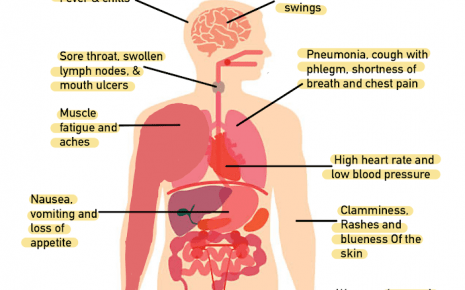
Acquired immunodeficiency syndrome (AIDS) is a chronic, potentially life-threatening condition caused by the human immunodeficiency virus (HIV). By damaging your immune system, HIV interferes with your body’s …
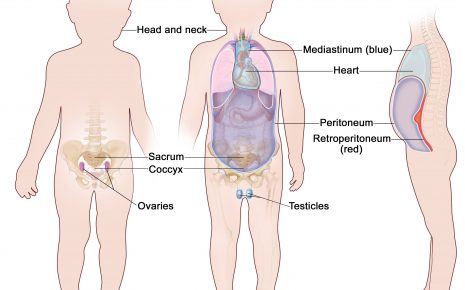
A tumor develops when cells reproduce too quickly. Tumors can vary in size from a tiny nodule to a large mass, depending on the type, …
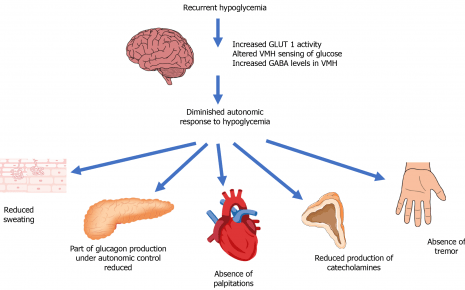
Hypoglycemia is a condition in which your blood sugar (glucose) level is lower than normal. Glucose is your body’s main energy source. Hypoglycemia is often …
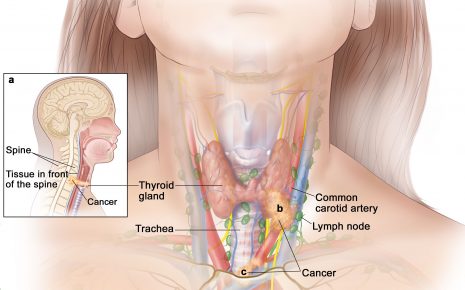
Thyroid cancer occurs in the cells of the thyroid — a butterfly-shaped gland located at the base of your neck, just below your Adam’s apple. …
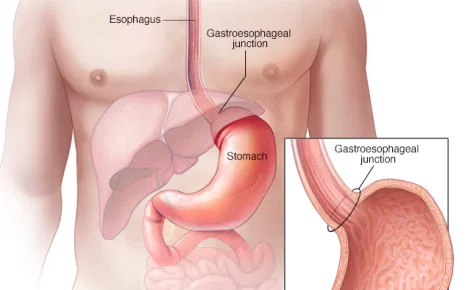
Stomach cancer is an abnormal growth of cells that begins in the stomach. The stomach is a muscular sac located in the upper middle of …
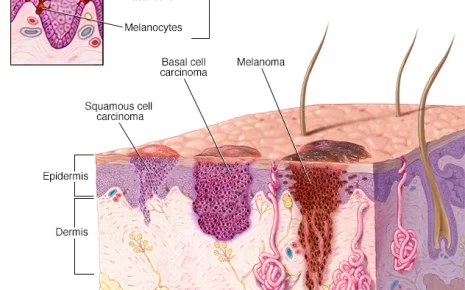
Squamous cell carcinoma of the skin is a common form of skin cancer that develops in the squamous cells that make up the middle and …
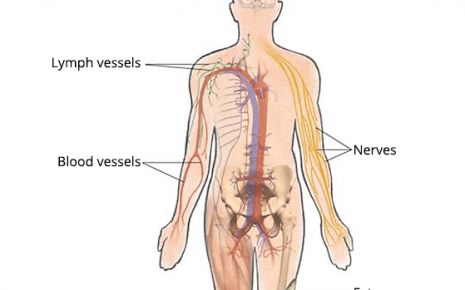
Soft tissue sarcoma is a infrequent type of cancer that start in the tissues that connect, support and surround other body structures. This involve muscle, …
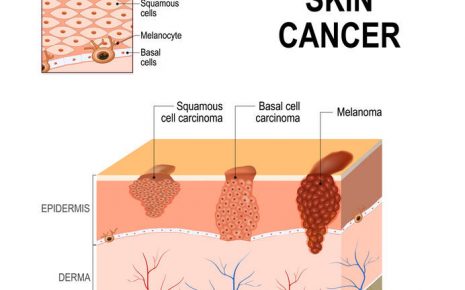
Skin cancer — the abnormal growth of skin cells — most often develops on skin exposed to the sun. But this common form of cancer …
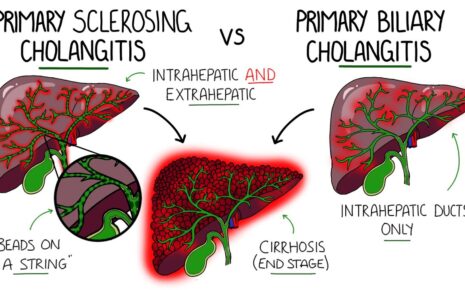
Primary biliary cholangitis, previously called primary biliary cirrhosis, is a chronic disease in which the bile ducts in your liver are slowly destroyed. Bile is …
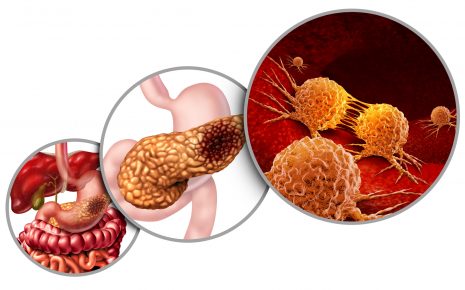
Pancreatic cancer begins in the tissues of your pancreas — an organ in your abdomen that lies behind the lower part of your stomach. Your …