What is Asthma?
Asthma is a condition in which your airways narrow and swell and may produce extra mucus. This can make breathing difficult and trigger coughing, a …

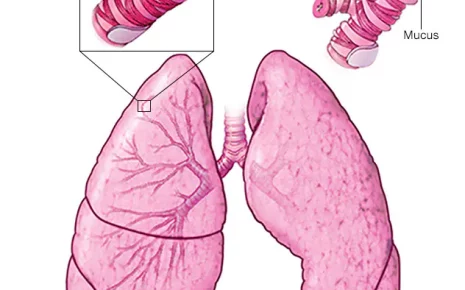
Asthma is a condition in which your airways narrow and swell and may produce extra mucus. This can make breathing difficult and trigger coughing, a …
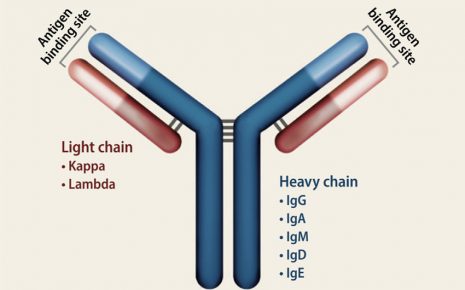
Immunoglobulin is made from plasma separated out from donated blood. During manufacture everything except a type of immunoglobulin called immunoglobulin G (IgG) is removed from the plasma. …
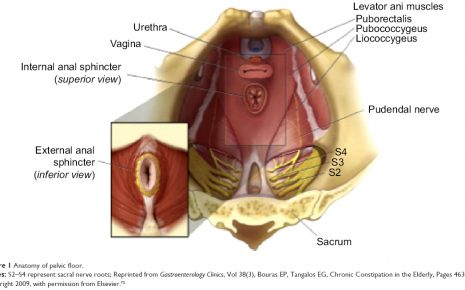
Chronic idiopathic constipation (CIC) is an ongoing condition without any known cause or identified underlying illness. Constipation is a condition that can be defined as …
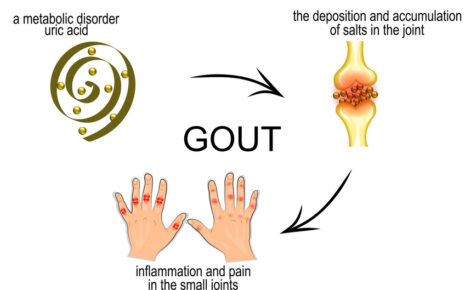
Hyperuricemia is when you have too much uric acid in your blood. This condition can lead to health problems such as gout and kidney stones. Around one …
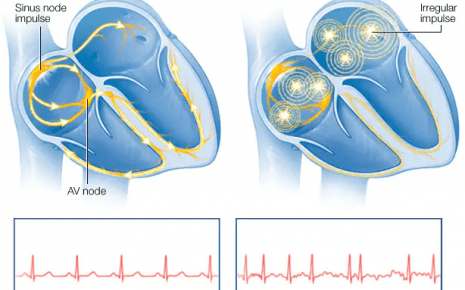
Atrial fibrillation (A-fib) is an irregular and often very rapid heart rhythm (arrhythmia) that can lead to blood clots in the heart. A-fib increases the risk of …
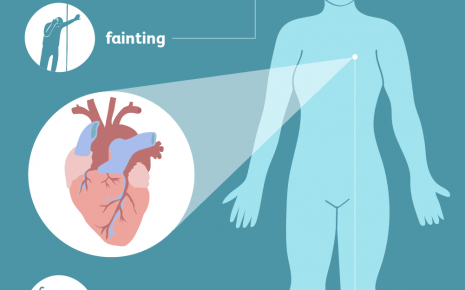
An arrhythmia (also called dysrhythmia) is an irregular or abnormal heartbeat. What is my pulse? Your pulse indicates your heart rate, or the number of …
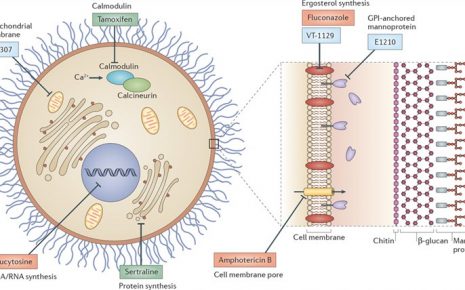
Antifungal medicines treat fungal infections. Fungus in the soil, air and on your skin can cause yeast infections, tinea, and nail and skin infections. Breathing …
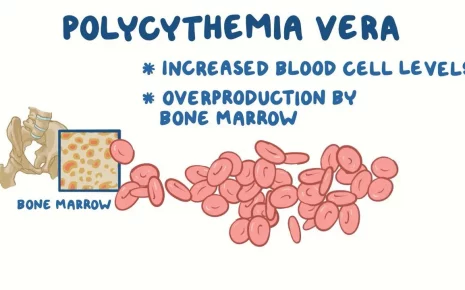
Polycythemia vera (pol-e-sy-THEE-me-uh VEER-uh) is a type of blood cancer. It causes your bone marrow to make too many red blood cells. These excess cells …
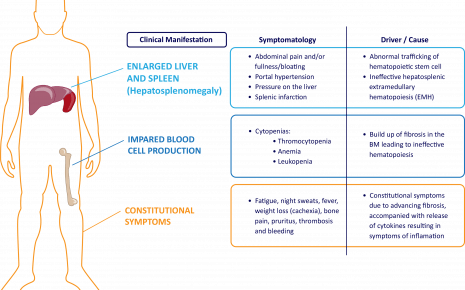
Myelofibrosis is an uncommon type of bone marrow cancer that disrupts your body’s normal production of blood cells. Myelofibrosis causes extensive scarring in your bone …
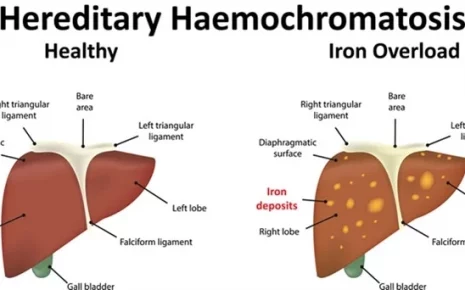
Hereditary hemochromatosis (he-moe-kroe-muh-TOE-sis) causes your body to absorb too much iron from the food you eat. Excess iron is stored in your organs, especially your …