Polycystic Ovarian Syndrome (PCOS) is a common hormonal disorder that affects women of reproductive age. Despite being one of the most prevalent conditions affecting women’s health, PCOS is often misunderstood and underdiagnosed. It is a condition that can significantly impact a woman’s physical and emotional well-being, yet with the right treatment and lifestyle changes, women with PCOS can lead healthy and fulfilling lives. Understanding PCOS, its symptoms, causes, and potential treatment options is crucial for managing the condition effectively.
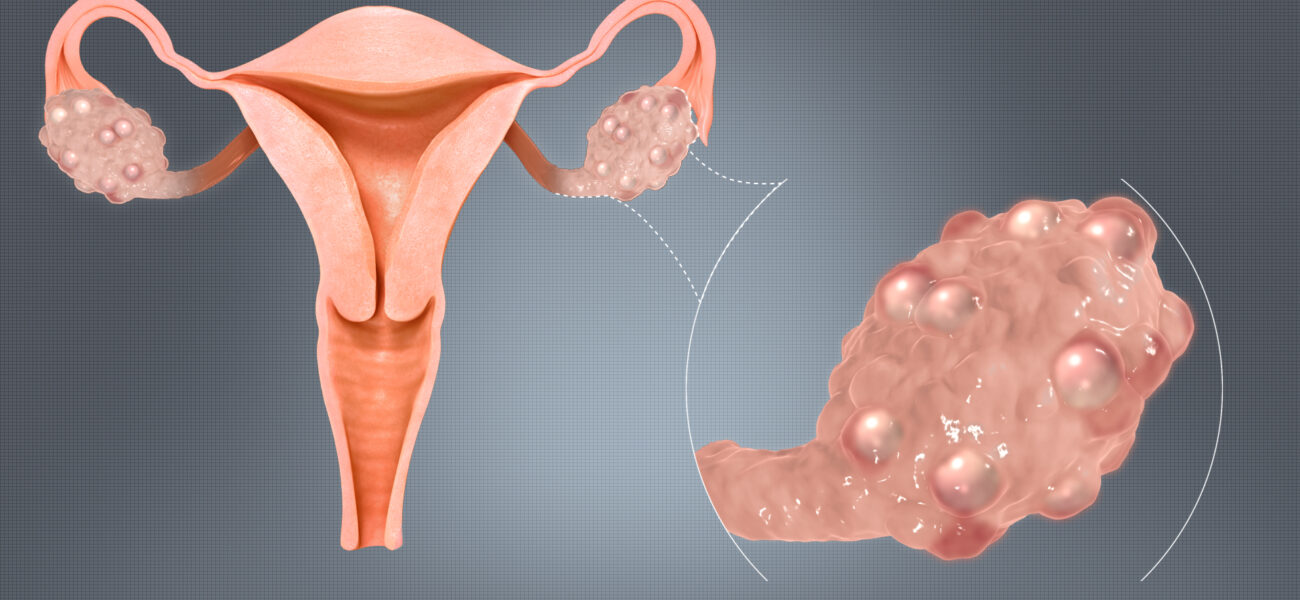
Polycystic Ovarian Syndrome is a hormonal imbalance that affects the ovaries, the organs responsible for producing eggs and secreting hormones such as estrogen and progesterone. Women with PCOS may have enlarged ovaries containing numerous small cysts (fluid-filled sacs) that are visible through ultrasound.
The primary concern with PCOS is that it disrupts the normal function of the ovaries, leading to irregular menstrual cycles, difficulty conceiving, and hormonal imbalances. The condition can also lead to elevated levels of androgens (male hormones such as testosterone), which can cause symptoms like excess hair growth, acne, and male-pattern baldness.
Symptoms of PCOS
The symptoms of PCOS can range from mild to severe and may change over time. Some common symptoms include:
- Irregular periods: Women with PCOS may have fewer than normal menstrual periods or none at all. Periods may be heavy or very light.
- Excessive hair growth (hirsutism): High levels of androgens can lead to excessive hair growth on the face, chest, back, or abdomen, a condition known as hirsutism.
- Acne and oily skin: Hormonal imbalances can lead to persistent acne, especially on the face, chest, and back.
- Thinning hair or male-pattern baldness: Women with PCOS may experience hair thinning or hair loss, particularly around the temples.
- Infertility: PCOS is one of the leading causes of infertility due to irregular ovulation or the absence of ovulation altogether.
- Weight gain or difficulty losing weight: Many women with PCOS struggle with weight gain or have difficulty maintaining a healthy weight due to insulin resistance.
- Darkened skin: Some women with PCOS may develop dark, velvety patches of skin, particularly on the neck, armpits, or under the breasts.
It’s important to note that not all women with PCOS experience all of these symptoms. Some women may have mild symptoms that don’t interfere with their daily lives, while others may have more severe symptoms that require medical intervention.
Causes of PCOS
The exact cause of PCOS is not fully understood, but several factors are believed to contribute to the development of the condition:
- Hormonal Imbalance: Women with PCOS often have an imbalance in hormones such as estrogen, progesterone, and androgens. This imbalance can prevent the ovaries from releasing eggs (ovulation) regularly.
- Insulin Resistance: Many women with PCOS have insulin resistance, which means their bodies don’t respond to insulin as effectively as they should. This causes the body to produce more insulin, which can increase androgen production, exacerbating symptoms like excess hair growth and acne.
- Genetics: PCOS tends to run in families. If a woman’s mother or sister has PCOS, she is more likely to develop the condition herself.
- Inflammation: Chronic low-grade inflammation has been found to be common in women with PCOS, and this inflammation can contribute to insulin resistance and other metabolic issues.
While these factors may play a role, the exact cause of PCOS is likely multifactorial, meaning it results from a combination of genetic and environmental factors.
Complications of PCOS
If left untreated, PCOS can lead to several health complications, including:
- Infertility: Since PCOS often leads to irregular ovulation, women with PCOS may find it difficult to conceive.
- Type 2 Diabetes: Insulin resistance, a common issue for women with PCOS, can increase the risk of developing type 2 diabetes.
- Heart Disease: PCOS is associated with an increased risk of heart disease, including high blood pressure, high cholesterol, and obesity.
- Endometrial Cancer: Women with PCOS who have irregular periods and don’t ovulate regularly may be at a higher risk of endometrial cancer due to prolonged exposure to estrogen without progesterone to balance it out.
- Sleep Apnea: Women with PCOS, especially those who are overweight, are more likely to suffer from sleep apnea, a condition where breathing is briefly and repeatedly interrupted during sleep.
Diagnosing PCOS
There is no single test for diagnosing PCOS. Healthcare providers typically rely on a combination of medical history, physical exams, and diagnostic tests, including:
- Physical Exam: The doctor may check for signs of excess hair growth, acne, and obesity.
- Blood Tests: These can measure hormone levels, including androgens and insulin, and help rule out other potential causes of symptoms.
- Pelvic Ultrasound: A pelvic ultrasound may be used to check for cysts on the ovaries and assess the size of the ovaries. However, not all women with PCOS have cysts, and not all women with cysts have PCOS.
- Blood Glucose Test: If insulin resistance is suspected, a blood glucose test may be performed to check for early signs of type 2 diabetes.
For a diagnosis of PCOS, a woman must meet at least two of the following three criteria:
- Irregular or absent menstrual cycles.
- Excessive androgen levels, indicated by symptoms such as hirsutism or acne.
- Polycystic ovaries seen on ultrasound.
Treatment and Management of PCOS
There is no cure for PCOS, but treatment options can help manage the symptoms and reduce the risk of complications. Treatment plans are typically tailored to the individual’s symptoms, age, and whether they want to get pregnant.
1. Lifestyle Changes
- Healthy Diet: Maintaining a healthy diet rich in whole foods, fiber, lean proteins, and healthy fats can help manage weight, improve insulin sensitivity, and reduce the risk of diabetes.
- Exercise: Regular physical activity helps with weight management and can improve insulin sensitivity. A mix of cardio, strength training, and flexibility exercises is ideal.
2. Medications
- Birth Control Pills: Oral contraceptives can help regulate menstrual cycles, reduce androgen levels, and improve symptoms like acne and excessive hair growth.
- Metformin: This medication helps improve insulin sensitivity, making it beneficial for women with insulin resistance.
- Clomiphene Citrate (Clomid): For women who wish to conceive, Clomid is commonly prescribed to induce ovulation.
- Anti-androgens: Medications like spironolactone can help reduce excessive hair growth and acne.
- Progesterone Therapy: For women with irregular periods, progesterone can help regulate the menstrual cycle.
3. Surgery
- Ovarian Drilling: In cases where medication doesn’t work, a surgical procedure called ovarian drilling can be performed. This involves making small punctures in the ovaries to reduce the production of androgens and improve ovulation.
Living with PCOS
While PCOS is a chronic condition, it can be effectively managed with the right lifestyle changes and medical treatment. It’s important for women with PCOS to monitor their symptoms and work closely with their healthcare providers to develop an individualized treatment plan.
Regular follow-up appointments, maintaining a healthy weight, and managing stress are essential for managing PCOS and its potential complications. With appropriate care and lifestyle adjustments, most women with PCOS can lead healthy and active lives.
Conclusion
Polycystic Ovarian Syndrome is a complex and often misunderstood condition that affects many women worldwide. With early diagnosis, proper treatment, and lifestyle changes, women with PCOS can manage their symptoms and reduce the risk of long-term health complications. If you suspect you have PCOS or are experiencing symptoms, it’s important to seek medical advice and start a treatment plan tailored to your specific needs.
The list of some Polycystic Ovarian Syndrome medicine:
Metform
Nobesit
Met
Bigmet
Metsa
Metsa XR
NVmet
Sugamet
Xelmet
Glymin XR
Glunor XR
Comet XR
Metform ER
Nobesit XR
Oramet
Sugamet XR
Xelmet XR
METODEL
METFORIX
MATOFIN XR
MATOFIN
GLUKOFEN
GLUFORCE
GLUCOPHAGE