Pain is a natural signal from the body, alerting us to potential injury or health issues. While severe pain can be alarming and often requires immediate medical attention, mild pain is much more common and can stem from a wide range of everyday causes. Understanding the nature of mild pain, its potential sources, and how to manage it can help you maintain your comfort and well-being.
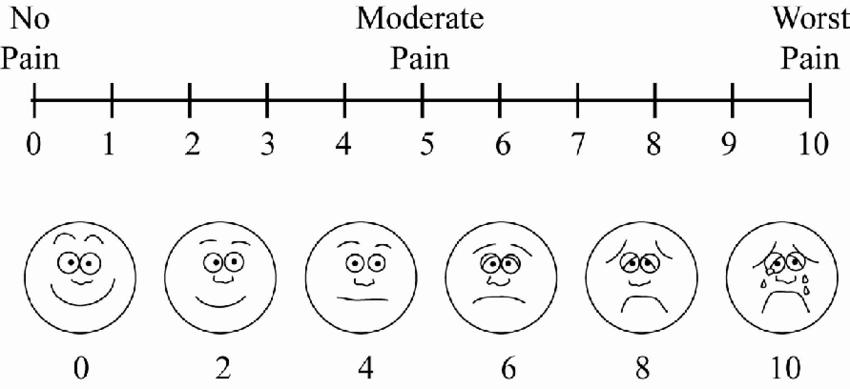
Mild pain is typically described as discomfort that is noticeable but not overwhelming. It doesn’t prevent you from carrying out daily activities, although it may cause some inconvenience or distraction. Often, mild pain is temporary and resolves on its own, but it can sometimes signal the early stages of a more serious condition if it persists.
Mild pain can be localized (focused in one area, like a sore shoulder) or generalized (felt throughout the body, like mild muscle aches after exercise).
Common Causes of Mild Pain
There are numerous everyday reasons why someone might experience mild pain, including:
- Muscle tension: Poor posture, stress, or overuse can cause slight muscle discomfort.
- Minor injuries: Small bruises, cuts, or sprains often lead to mild pain.
- Headaches: Tension headaches are a frequent cause of mild, manageable head pain.
- Dental issues: Mild toothaches can occur from cavities or gum irritation.
- Digestive problems: Indigestion or mild gas pain is quite common after eating.
- Viral infections: Minor body aches can accompany colds or the flu.
- Chronic conditions: Some people with arthritis, fibromyalgia, or other conditions may experience ongoing mild pain.
When to Pay Attention to Mild Pain
Although mild pain usually isn’t a cause for alarm, it’s important to monitor it. You should seek medical advice if:
- The pain lasts longer than a few days without improvement.
- It starts to worsen over time.
- It is accompanied by other symptoms like fever, swelling, or loss of function.
- It interferes significantly with your sleep, mood, or daily activities.
Early intervention can prevent a minor issue from developing into something more serious.
Managing Mild Pain at Home
Many cases of mild pain can be effectively managed with simple self-care strategies:
- Rest: Giving the affected area time to heal can reduce discomfort.
- Ice or heat therapy: Ice helps with inflammation and swelling, while heat relaxes tense muscles.
- Over-the-counter pain relief: Medications like ibuprofen or acetaminophen can ease mild pain when necessary.
- Gentle movement: Light stretching or low-impact activities like walking can sometimes alleviate stiffness and soreness.
- Hydration and nutrition: Staying hydrated and eating a balanced diet supports healing and overall health.
- Mind-body techniques: Relaxation methods such as deep breathing, meditation, and yoga can help reduce the perception of pain.
Preventing Mild Pain
In many cases, mild pain can be prevented by making small adjustments to your daily routine:
- Maintain good posture, especially when sitting for long periods.
- Exercise regularly to keep muscles strong and flexible.
- Warm up before physical activities to prepare your body and reduce the risk of strains.
- Manage stress, which can contribute to tension and headaches.
- Use proper techniques when lifting heavy objects to avoid injury.
Listening to your body and responding to early signs of discomfort can go a long way in preventing more significant pain.
Final Thoughts
Mild pain is a part of life, often signaling that something needs attention but not posing an immediate threat. By understanding its causes, recognizing when to seek help, and using effective management strategies, you can keep mild pain from becoming a major disruption. Paying attention to your body’s signals and taking proactive steps can lead to better health, comfort, and peace of mind.
The list of some Mild Pain medicine:
Napsod
Edolac
Edopain
CELEBREX
DICLOFLAM
CATAFLAM
ENDOL
DOLPHIN
TILAC
APRALJIN FORT
APRANAX FORT