The kidneys are essential organs that filter waste and excess fluids from the blood, playing a crucial role in maintaining overall health. When kidneys fail, life can become a constant battle with dialysis treatments and severe health risks. A kidney transplant offers a powerful solution, often restoring normal life and providing a renewed sense of energy and freedom.
But what exactly does a kidney transplant involve? Let’s dive into the process, benefits, risks, and important facts you should know.
A kidney transplant is a surgical procedure where a healthy kidney from a donor is placed into a person whose kidneys are no longer functioning properly. The donor kidney can come from a living person — often a relative, friend, or altruistic donor — or from a deceased individual who has chosen to donate their organs after death.
Unlike other organs, humans can live healthy lives with just one functioning kidney, which makes kidney donation from living donors possible and relatively common.
Why is a Kidney Transplant Needed?
When kidneys lose most of their function — a condition known as end-stage renal disease (ESRD) — the body can no longer filter waste effectively. Without treatment, this can quickly become life-threatening. Common causes of kidney failure include:
- Diabetes
- High blood pressure
- Chronic kidney infections
- Polycystic kidney disease
- Glomerulonephritis (inflammation of kidney filtering units)
While dialysis can substitute some kidney functions, it can be time-consuming and physically draining. A transplant is often seen as the preferred long-term solution for many patients.
The Kidney Transplant Process
1. Evaluation
Before a transplant, patients undergo a thorough evaluation to ensure they are healthy enough for surgery and likely to benefit from a new kidney. This includes blood tests, imaging scans, and psychological assessments.
2. Finding a Match
Matching a donor kidney to a recipient involves blood typing, tissue typing, and cross-matching to minimize the risk of rejection.
- Living donation: Often results in shorter waiting times and better long-term outcomes.
- Deceased donation: Patients are placed on a national transplant waiting list, which can take months or even years.
3. Surgery
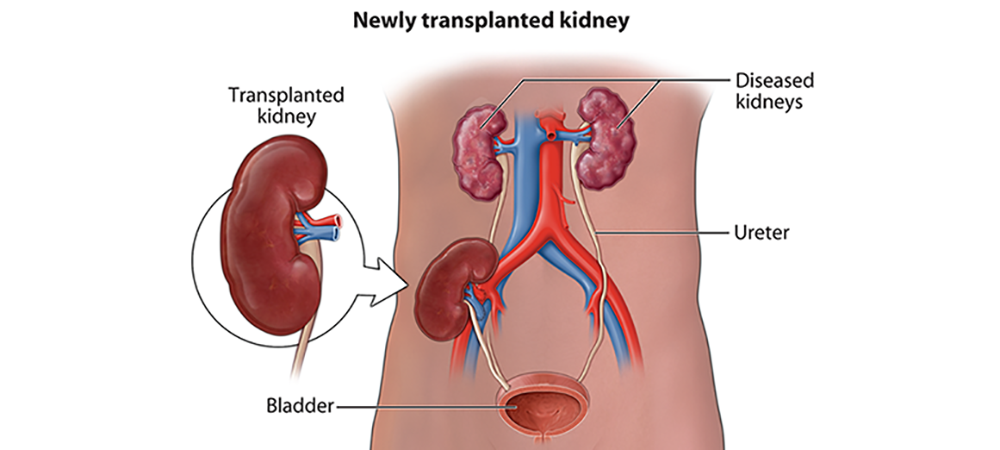
The donor kidney is surgically placed into the lower abdomen and connected to blood vessels and the bladder. In most cases, the diseased kidneys are left in place unless they are causing complications.
4. Recovery
After surgery, patients usually spend several days in the hospital and several weeks recovering at home. Medications are prescribed to prevent the body from rejecting the new organ.
Benefits of Kidney Transplant
- Better Quality of Life: Most patients experience greater energy, improved appetite, and freedom from dialysis.
- Longer Lifespan: Kidney transplant recipients often live longer compared to those who stay on dialysis.
- Fewer Dietary Restrictions: Patients have more dietary freedom compared to those undergoing dialysis.
- Cost-Effectiveness: Though expensive upfront, over time a transplant can be less costly than years of dialysis treatments.
Risks and Challenges
While kidney transplantation can be life-changing, it is not without risks:
- Organ Rejection: The immune system may attack the new kidney. Anti-rejection medications (immunosuppressants) must be taken for life.
- Infection Risk: Immunosuppressants lower the body’s defense against infections.
- Medication Side Effects: Long-term use of immunosuppressants can lead to other health issues like high blood pressure, diabetes, or bone thinning.
- Surgical Complications: As with any major surgery, there is a risk of bleeding, blood clots, or wound infections.
Living with a Kidney Transplant
Life after a transplant involves:
- Taking medications exactly as prescribed
- Regular follow-up appointments and blood tests
- Maintaining a healthy lifestyle, including a balanced diet and regular exercise
- Being vigilant about signs of infection or rejection
Many transplant recipients are able to return to work, travel, and engage fully in family and social activities — often with a renewed appreciation for life.
Conclusion
A kidney transplant is more than just a medical procedure; it is often a profound turning point that offers patients a second chance at a healthier, more independent life. Though the journey involves challenges, advances in medicine continue to make kidney transplants safer and more successful. For thousands of people each year, a kidney transplant opens the door to a future full of possibilities.
The list of some Kidney Transplant medicine:
Thymogam
Myfortic