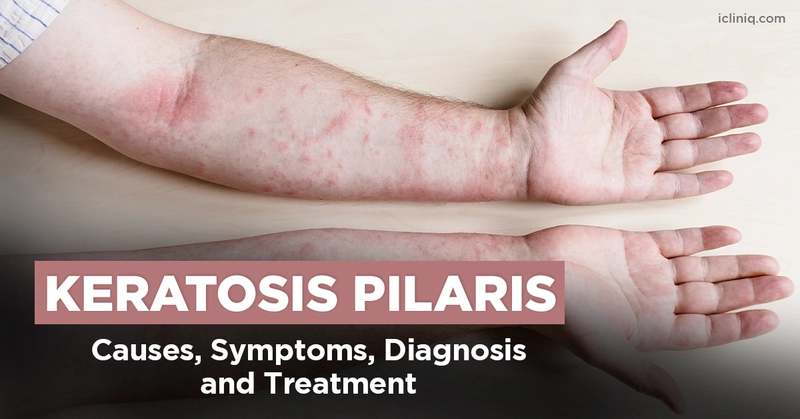
Keratosis pilaris (KP) is a common yet often misunderstood skin condition that affects many people worldwide. It’s characterized by the appearance of small, rough, and bumpy patches on the skin, often referred to as “chicken skin” due to their texture. While it is not harmful or contagious, keratosis pilaris can be an aesthetic concern for those who experience it, leading to self-consciousness or frustration with the condition.
In this blog, we’ll delve into the causes, symptoms, and treatments for keratosis pilaris, helping you better understand how to manage and improve the appearance of this common skin condition.
Keratosis pilaris is a benign (non-cancerous) skin condition that occurs when keratin, a protein found in the skin, becomes trapped in hair follicles. This results in the formation of small, raised bumps, typically found on the upper arms, thighs, cheeks, and buttocks. While these bumps are often painless, they can be dry and rough to the touch, leading to the skin’s characteristic “gooseflesh” appearance.
Though it is most commonly seen in children and young adults, keratosis pilaris can affect people of all ages. It tends to worsen during the winter months when skin becomes drier, and it often improves or even disappears with age.
Causes of Keratosis Pilaris
Keratosis pilaris occurs when there is an overproduction of keratin, which forms hard plugs in hair follicles. This blockage leads to the characteristic bumpy texture of the skin. While the exact cause of this overproduction is not entirely understood, several factors contribute to the development of KP:
1. Genetics
Keratosis pilaris often runs in families, meaning genetics play a significant role in determining whether you’ll develop this condition. If one or both parents have KP, there’s a higher chance that their children will also experience it.
2. Dry Skin
People with dry skin are more likely to develop KP. In fact, KP can be exacerbated during colder months when skin becomes drier and loses moisture. This lack of moisture can cause keratin buildup and block hair follicles.
3. Other Skin Conditions
Certain skin conditions, such as eczema, ichthyosis vulgaris (a condition that causes dry, scaly skin), and atopic dermatitis, can increase the likelihood of developing keratosis pilaris. These conditions often go hand-in-hand with dry, sensitive skin.
4. Hormonal Changes
Hormonal fluctuations, especially during puberty or pregnancy, can increase the production of keratin in the skin, potentially leading to an outbreak of KP. Hormonal changes can also contribute to the severity of the condition.
5. Vitamin A Deficiency
A lack of vitamin A can impair the skin’s ability to shed dead skin cells, leading to the formation of keratin plugs and, ultimately, keratosis pilaris.
Symptoms of Keratosis Pilaris
Keratosis pilaris typically presents as small, flesh-colored or red bumps that feel rough to the touch. These bumps are usually painless and can appear on any area of the body with hair follicles. Common symptoms include:
- Small Bumps: Typically found on the outer sides of the upper arms, thighs, buttocks, and sometimes the face, especially the cheeks.
- Rough Texture: The affected skin may feel like sandpaper due to the build-up of keratin in hair follicles.
- Redness or Inflammation: Some bumps may appear reddish or inflamed, especially if they become irritated by clothing or scratching.
- Itching: In some cases, keratosis pilaris may be mildly itchy, especially in dry conditions.
KP usually doesn’t cause pain, but it can be aesthetically bothersome for individuals who are self-conscious about the appearance of their skin. Fortunately, it is not contagious, and it doesn’t usually lead to more serious skin issues.
Treatment Options for Keratosis Pilaris
While keratosis pilaris doesn’t have a permanent cure, there are several treatments that can help improve its appearance and alleviate discomfort. Treatment often focuses on softening the skin and preventing the buildup of keratin. Here are some common treatment methods:
1. Exfoliation
Regular exfoliation helps to remove dead skin cells and prevent the formation of keratin plugs. Gentle exfoliating products, such as chemical exfoliants with alpha hydroxy acids (AHAs) or beta hydroxy acids (BHAs), can be used to improve the texture of the skin. Salicylic acid and lactic acid are particularly effective at gently loosening the keratin buildup.
2. Moisturization
Keeping the skin well-moisturized can help prevent dryness and irritation, which can exacerbate KP. Look for moisturizers that contain ingredients like glycerin, ceramides, and hyaluronic acid to lock in moisture and improve skin hydration. For best results, apply moisturizer right after a shower when the skin is still damp.
3. Topical Retinoids
Topical retinoids like tretinoin and adapalene are derived from vitamin A and help promote skin cell turnover. These can be very effective at preventing clogged hair follicles and reducing the appearance of bumps. However, retinoids can cause skin irritation, so it’s important to start slowly and use them under the guidance of a dermatologist.
4. Corticosteroid Creams
If the bumps are inflamed or red, a mild corticosteroid cream may be prescribed by a doctor to reduce inflammation and irritation. This can help calm the skin and reduce the appearance of redness.
5. Laser Therapy
For more severe cases of keratosis pilaris, laser treatments like fractional laser or pulsed dye laser can be used to target the affected areas. These treatments can reduce the redness and bumps associated with KP by targeting the underlying blood vessels and promoting skin rejuvenation.
6. Chemical Peels
Dermatologists may also recommend chemical peels using stronger acids to help exfoliate the skin more deeply. This can improve the texture and appearance of the skin, especially if other treatments have not been effective.
7. Vitamin A Supplements
In cases where vitamin A deficiency is suspected, increasing your intake of vitamin A-rich foods (such as liver, carrots, and sweet potatoes) or taking supplements may help improve the condition.
Preventing Keratosis Pilaris
While it’s not always possible to prevent keratosis pilaris, the following tips can help reduce flare-ups:
- Keep Skin Moisturized: Regularly use a good moisturizer, especially in the winter when the skin tends to dry out.
- Avoid Scratching or Picking: Picking or scratching the bumps can irritate the skin and make the condition worse.
- Use Gentle Skin Care Products: Avoid harsh soaps or products with alcohol, as they can dry out and irritate the skin.
- Exfoliate Gently: Regular but gentle exfoliation can help prevent dead skin cells from accumulating in hair follicles.
Conclusion
Keratosis pilaris is a common but harmless skin condition that affects many individuals, particularly during childhood and adolescence. While it can be frustrating due to its appearance, there are several effective treatments available to improve the skin’s texture and appearance. With the right skincare routine and treatment approach, it’s possible to manage the condition and keep your skin looking smooth and healthy.
If you find that over-the-counter treatments aren’t effective, or if your KP is causing significant irritation, consider consulting a dermatologist for personalized recommendations and treatments.
The list of some Keratosis Pilaris medicine:
Aclene cream
Fona cream
Adapel cream
Apalene cream