When we think of health problems, parasites don’t usually top the list—yet intestinal parasites affect millions of people around the world, often silently. These tiny organisms can live in your digestive tract, feed off nutrients, and cause a wide range of uncomfortable or even dangerous symptoms. Understanding intestinal parasites is key to prevention, early detection, and effective treatment.
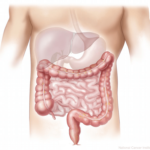
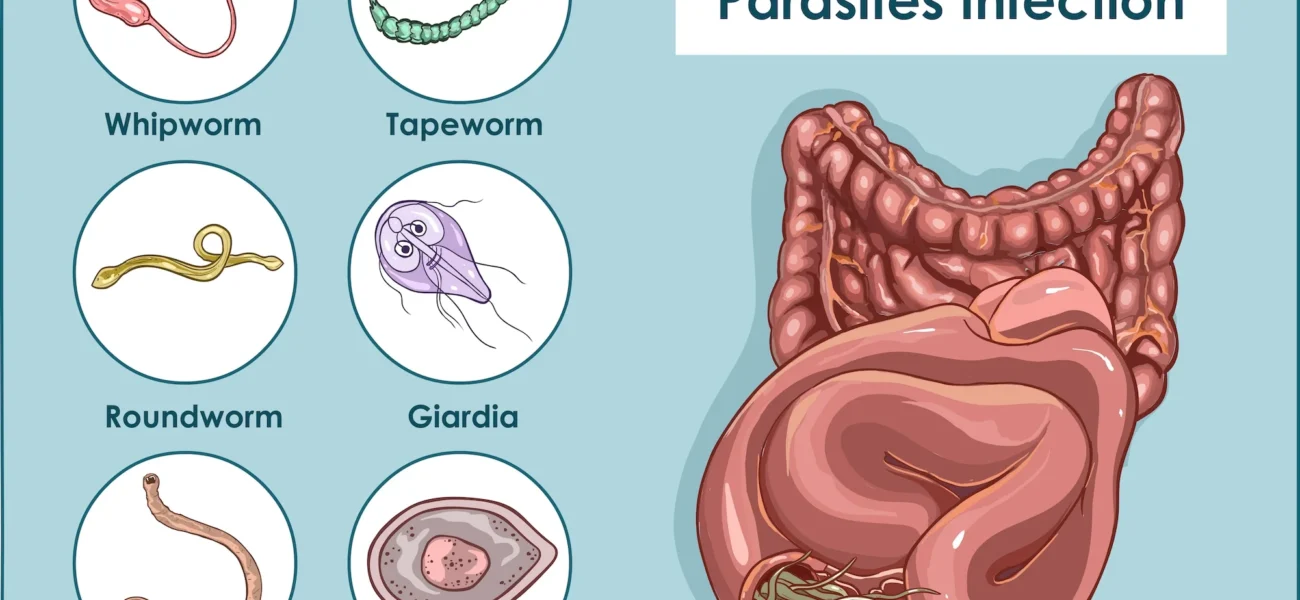
Intestinal parasites are organisms that live in the gastrointestinal tract of a host (in this case, humans), where they survive by feeding off the host’s nutrients. These parasites can be classified mainly into two groups:
- Helminths: Worm-like parasites such as roundworms, tapeworms, and hookworms.
- Protozoa: Single-celled organisms like Giardia and Entamoeba histolytica that can multiply inside the human body.
These parasites can enter the body through contaminated food, water, soil, or direct contact with infected individuals or surfaces.
How Do You Get Infected?
Infections typically occur in areas with poor sanitation and hygiene, but anyone, regardless of location, can be at risk. Common routes of transmission include:
- Eating undercooked meat or raw seafood
- Drinking contaminated water
- Walking barefoot on contaminated soil
- Poor hand hygiene, especially after using the restroom
- Contact with animals or feces
Travelers to regions with inadequate sanitation are particularly vulnerable, as are children who play in dirt or put objects in their mouths.
Symptoms of Intestinal Parasites
Some people may carry parasites without showing symptoms, while others may experience:
- Abdominal pain or cramping
- Nausea and vomiting
- Diarrhea or constipation
- Bloating and gas
- Weight loss
- Fatigue
- Itchy skin or rashes
- Visible worms in stool
In severe cases, parasites can lead to malnutrition, anemia, and other serious complications.
Diagnosing Parasite Infections
If a parasitic infection is suspected, a healthcare provider may request one or more stool samples to look for eggs or the parasites themselves. In some cases, blood tests, imaging, or endoscopy may be required for more invasive parasites or persistent symptoms.
Treatment Options
Fortunately, most intestinal parasites are treatable with medication. Antiparasitic drugs are prescribed based on the specific type of parasite. For example:
- Metronidazole or tinidazole for protozoan infections like giardiasis.
- Albendazole or mebendazole for helminths like roundworms or hookworms.
In addition to medication, patients may be advised to hydrate well, maintain a nutritious diet, and practice good hygiene to support recovery and prevent reinfection.
Prevention is Key
Preventing parasite infections largely comes down to hygiene and awareness:
- Always wash hands with soap and water before eating and after using the bathroom.
- Drink filtered or boiled water, especially when traveling.
- Cook meat and seafood thoroughly.
- Wash fruits and vegetables before eating.
- Avoid walking barefoot in areas where soil contamination is likely.
If you have pets, ensure they are dewormed regularly and that their living areas are clean.
Global Impact
Intestinal parasites are a major public health concern in many developing regions, particularly where clean water and sanitation systems are limited. They contribute to poor growth, cognitive issues in children, and widespread illness. Health education, sanitation projects, and deworming campaigns are vital in reducing their impact worldwide.
Conclusion
Though they are often invisible to the naked eye, intestinal parasites can have a major impact on health. With proper hygiene, awareness, and access to treatment, most infections are preventable and curable. Staying informed and cautious is your best defense against these unwanted visitors.
The list of some Intestinal Parasites medicine:
Solas