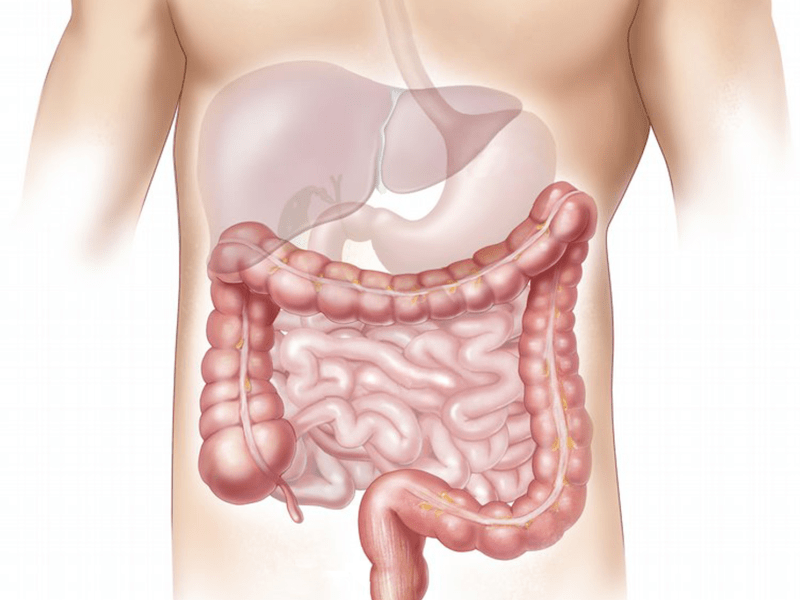
Intestinal disorders refer to a wide range of conditions that affect the gastrointestinal (GI) tract, particularly the small and large intestines. These disorders can vary in severity, from mild discomfort to life-threatening illnesses, and they can impact digestion, absorption of nutrients, and overall health. Millions of people worldwide suffer from intestinal issues, making it an important topic in both medicine and daily life.
What Are Intestinal Disorders?
Intestinal disorders are medical conditions that disrupt the normal function of the intestines. They can involve inflammation, infection, structural problems, or abnormal movement of the intestines. When the intestines don’t work properly, it can lead to symptoms like pain, bloating, diarrhea, constipation, and even bleeding.
Some intestinal disorders are acute and short-lived, while others can be chronic and require lifelong management.
Common Types of Intestinal Disorders
1. Irritable Bowel Syndrome (IBS)
- A functional disorder that affects the movement of the intestines.
- Symptoms include abdominal pain, cramping, bloating, gas, diarrhea, and constipation.
- The exact cause is unknown, but stress, diet, and gut-brain communication are believed to play a role.
2. Inflammatory Bowel Disease (IBD)
- A group of chronic inflammatory conditions, mainly Crohn’s disease and ulcerative colitis.
- Symptoms involve persistent diarrhea, abdominal pain, fatigue, and weight loss.
- IBD is linked to immune system problems, genetics, and environmental factors.
3. Celiac Disease
- An autoimmune disorder where the ingestion of gluten (a protein found in wheat, barley, and rye) leads to damage in the small intestine.
- Symptoms include diarrhea, weight loss, malnutrition, and anemia.
- Strict lifelong gluten avoidance is required to manage the disease.
4. Diverticular Disease
- Involves the formation of small pouches (diverticula) in the walls of the colon.
- When these pouches become inflamed or infected, it leads to diverticulitis, causing severe abdominal pain, fever, and digestive upset.
5. Intestinal Infections
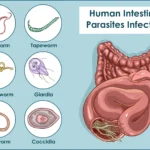
- Caused by bacteria, viruses, or parasites, leading to gastroenteritis.
- Common symptoms include diarrhea, vomiting, stomach cramps, and dehydration.
- Most infections are short-term but can be serious if not treated, especially in vulnerable populations.
6. Colorectal Cancer
- A malignant condition affecting the colon or rectum.
- Early stages often have no symptoms, but later signs include blood in stool, changes in bowel habits, weight loss, and fatigue.
- Screening programs can help catch colorectal cancer early when it’s most treatable.
Causes and Risk Factors
Several factors can contribute to the development of intestinal disorders:
- Diet: High-fat, low-fiber diets can harm intestinal health.
- Genetics: Family history plays a significant role, especially in conditions like IBD and colorectal cancer.
- Infections: Certain bacteria, viruses, and parasites can trigger acute intestinal illnesses.
- Immune System Dysfunction: Autoimmune responses can attack the intestines, as seen in celiac disease and IBD.
- Lifestyle Factors: Stress, smoking, and a sedentary lifestyle can worsen or trigger intestinal problems.
Symptoms of Intestinal Disorders
Symptoms vary depending on the specific condition but commonly include:
- Abdominal pain or cramping
- Diarrhea or constipation
- Bloating and gas
- Blood or mucus in stool
- Unexplained weight loss
- Nausea and vomiting
- Fatigue
Persistent symptoms should always be evaluated by a healthcare professional.
Diagnosing Intestinal Disorders
Doctors use a combination of techniques to diagnose intestinal conditions:
- Physical examination and medical history
- Blood tests to check for signs of inflammation, infection, or anemia
- Stool tests to detect infections or hidden blood
- Endoscopy or colonoscopy to visually inspect the inside of the intestines
- Imaging tests like CT scans or MRI for detailed views of intestinal structures
Treatment and Management
Treatment depends on the specific disorder but may include:
- Dietary Changes: Adjusting diet to reduce symptoms (e.g., low-FODMAP diet for IBS, gluten-free diet for celiac disease).
- Medications: Anti-inflammatory drugs, antibiotics, antidiarrheals, laxatives, and immune-modulating drugs.
- Surgery: Required in severe cases like advanced IBD, colorectal cancer, or bowel obstruction.
- Lifestyle Modifications: Regular exercise, stress management, and avoiding smoking can greatly benefit intestinal health.
Preventing Intestinal Disorders
While not all intestinal issues can be prevented, some steps can reduce the risk:
- Eat a balanced, fiber-rich diet.
- Stay hydrated.
- Practice good hygiene to prevent infections.
- Get regular screenings if you’re at risk for colorectal cancer.
- Manage stress effectively.
- Maintain a healthy weight.
Final Thoughts
Intestinal disorders are diverse in nature but share one common trait: they can deeply affect quality of life. With early detection, proper treatment, and healthy lifestyle choices, many of these conditions can be managed effectively. If you experience persistent digestive problems, consulting a healthcare provider is crucial for timely diagnosis and management.
The list of some Intestinal Disorder medicine:
Artropan