Breathing is something most people take for granted. But for individuals living with Idiopathic Pulmonary Fibrosis (IPF), each breath can be a struggle. IPF is a chronic and progressive lung disease that gradually makes it harder for the lungs to work properly. Despite medical advances, IPF remains a serious condition with an unclear cause, making early recognition and management especially important.
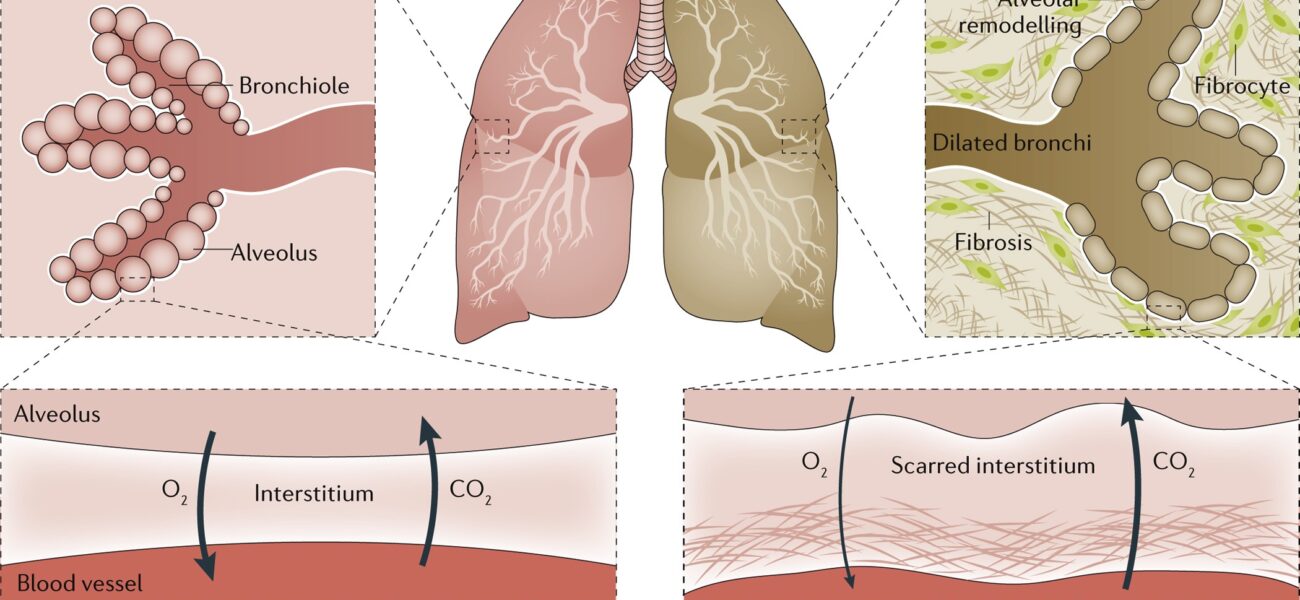
Idiopathic Pulmonary Fibrosis is a type of interstitial lung disease characterized by scarring (fibrosis) of the lung tissue. The term “idiopathic” means that the cause is unknown. Over time, the thickened and stiff lung tissue makes it increasingly difficult for oxygen to pass into the bloodstream, leading to symptoms such as shortness of breath and a persistent dry cough.
IPF primarily affects adults over the age of 50 and tends to worsen gradually, although the rate of progression can vary widely between individuals.
Causes and Risk Factors
Although the exact cause of IPF is unknown, researchers believe that a combination of genetic and environmental factors may trigger the disease. Some recognized risk factors include:
- Age: Most people diagnosed with IPF are between 50 and 70 years old.
- Gender: Men are more likely to develop IPF than women.
- Smoking: A history of smoking increases the risk significantly.
- Occupational Exposures: Long-term exposure to dust, wood, metal particles, or chemicals can contribute to lung damage.
- Family History: Some cases of IPF run in families, suggesting a genetic link.
Despite these associations, many individuals with IPF have no obvious risk factors, which adds to the mystery of the disease.
Symptoms of IPF
The symptoms of IPF typically develop slowly and worsen over time. Common signs include:
- Shortness of Breath: Especially noticeable during physical activity at first, and later even at rest.
- Chronic Dry Cough: A persistent, non-productive cough that doesn’t seem to go away.
- Fatigue: Feeling unusually tired or weak.
- Unexplained Weight Loss: Gradual weight loss without trying.
- Clubbing: Enlargement and rounding of the fingertips or toes.
Because the symptoms are subtle at the start, IPF is often misdiagnosed as asthma, chronic obstructive pulmonary disease (COPD), or other lung conditions.
How Is IPF Diagnosed?
Accurate diagnosis is crucial since IPF treatment strategies differ from other lung diseases. The diagnostic process usually involves:
- Imaging: High-resolution CT (HRCT) scans are critical for spotting the distinctive patterns of lung scarring.
- Pulmonary Function Tests: These tests measure lung capacity and how well oxygen moves from the lungs to the blood.
- Blood Tests: Used to rule out other potential causes of lung disease.
- Lung Biopsy: In some cases, a tissue sample is taken to confirm the diagnosis.
Early diagnosis can make a significant difference in managing symptoms and slowing disease progression.
Treatment Options
Currently, there is no cure for Idiopathic Pulmonary Fibrosis, but several treatments can help manage the condition:
- Antifibrotic Medications: Drugs like pirfenidone and nintedanib can slow the progression of lung scarring.
- Oxygen Therapy: Supplemental oxygen can help ease breathing difficulties and improve quality of life.
- Pulmonary Rehabilitation: A structured program that combines exercise training, education, and support to help patients stay active.
- Lung Transplantation: In selected cases, especially for younger patients with severe disease, a lung transplant may be considered.
Lifestyle changes, including quitting smoking, maintaining a healthy diet, and staying physically active as much as possible, are also essential components of living with IPF.
Living with IPF
Coping with a chronic and progressive illness like IPF can be challenging, both physically and emotionally. Support groups, counseling, and patient education can make a big difference in helping individuals and their families adapt to the changes the disease brings.
Monitoring symptoms regularly and working closely with a healthcare team ensures that treatment plans can be adjusted as needed, aiming to maintain the best possible quality of life.
Conclusion
Idiopathic Pulmonary Fibrosis is a serious lung condition that continues to puzzle researchers due to its unknown cause and variable progression. However, with early diagnosis, appropriate medical care, and supportive therapies, individuals with IPF can manage their symptoms and maintain a meaningful life. As research continues, there is hope that better treatments — and perhaps a cure — will emerge for this challenging disease.
The list of some Idiopathic Pulmonary Fibrosis medicine:
LuciPirfe
PIRFINEX