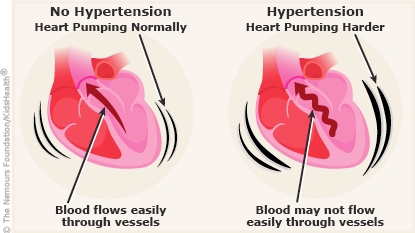
Hypertension, commonly known as high blood pressure, is a serious health condition that affects millions of people around the world. Often called the “silent killer” because it may not show any symptoms, hypertension can quietly damage your heart, blood vessels, kidneys, and other organs over time if left untreated.
Early detection and proper management are key to reducing the risk of serious complications, including heart attack and stroke.
What is Hypertension?
Blood pressure is the force exerted by circulating blood against the walls of the arteries. When this pressure remains consistently too high, it is referred to as hypertension.
A normal blood pressure reading is usually around 120/80 mmHg. Hypertension is generally diagnosed when blood pressure readings consistently exceed 130/80 mmHg, depending on current medical guidelines.
There are two main types:
- Primary (essential) hypertension: This type develops gradually over many years with no identifiable cause.
- Secondary hypertension: This type is caused by an underlying condition, such as kidney disease, hormonal disorders, or certain medications.
Causes and Risk Factors
Several factors can contribute to the development of hypertension, including:
- Age: The risk increases as you get older.
- Family history: Hypertension often runs in families.
- Obesity: Excess body weight puts more strain on your heart.
- Lack of physical activity: Sedentary lifestyles contribute to higher blood pressure.
- Poor diet: High salt intake, low potassium intake, and unhealthy eating habits increase risk.
- Smoking and alcohol use: Both can damage blood vessels and raise blood pressure.
- Stress: Chronic stress may contribute to elevated blood pressure.
- Chronic conditions: Diabetes, kidney disease, and sleep apnea are linked to hypertension.
Symptoms
Most people with hypertension do not experience any symptoms until the condition becomes severe. When symptoms do appear, they might include:
- Headaches
- Shortness of breath
- Nosebleeds
- Chest pain
- Vision problems
- Fatigue or confusion
Because symptoms are rare in the early stages, regular blood pressure checks are crucial.
Complications
If hypertension remains uncontrolled, it can lead to serious health issues, such as:
- Heart attack
- Stroke
- Heart failure
- Kidney disease or failure
- Vision loss
- Cognitive decline and dementia
The longer high blood pressure goes untreated, the greater the damage to your body.
Diagnosis
Hypertension is usually diagnosed through regular blood pressure monitoring. Blood pressure measurements should be taken on multiple occasions to confirm the diagnosis.
Doctors may also recommend:
- Blood tests
- Urine tests
- Electrocardiogram (ECG)
- Echocardiogram
These tests help detect any underlying causes or damage caused by hypertension.
Treatment and Management
Managing hypertension typically involves a combination of lifestyle changes and medication:
Lifestyle Changes
- Eat a healthy diet: Focus on fruits, vegetables, lean proteins, and whole grains. The DASH diet (Dietary Approaches to Stop Hypertension) is often recommended.
- Reduce salt intake: Limit sodium to less than 2,300 mg per day (or ideally 1,500 mg for most adults).
- Exercise regularly: Aim for at least 30 minutes of moderate activity most days.
- Maintain a healthy weight: Losing even a small amount of weight can help lower blood pressure.
- Limit alcohol: Drink in moderation, if at all.
- Quit smoking: Tobacco damages blood vessels and raises blood pressure.
- Manage stress: Techniques like deep breathing, meditation, and yoga can help.
Medications
When lifestyle changes aren’t enough, doctors may prescribe medications such as:
- Diuretics
- ACE inhibitors
- Beta-blockers
- Calcium channel blockers
- Angiotensin II receptor blockers (ARBs)
Medication choices depend on the individual’s health profile and blood pressure goals.
Prevention
Preventing hypertension starts with adopting a healthy lifestyle early:
- Regular exercise
- Balanced, low-sodium diet
- Healthy weight management
- Avoiding tobacco use
- Limiting alcohol consumption
- Regular health check-ups
Even small improvements in these areas can significantly reduce your risk.
Final Thoughts
Hypertension is a common yet serious condition that requires attention and care. Although it often has no warning signs, the damage it causes can be life-threatening. Fortunately, with early detection, healthy habits, and the right treatment, it is possible to manage hypertension effectively and enjoy a full, healthy life. Regular monitoring, commitment to healthy living, and following your healthcare provider’s recommendations can make all the difference in preventing the harmful effects of high blood pressure.
The list of some Hypertension medicine: