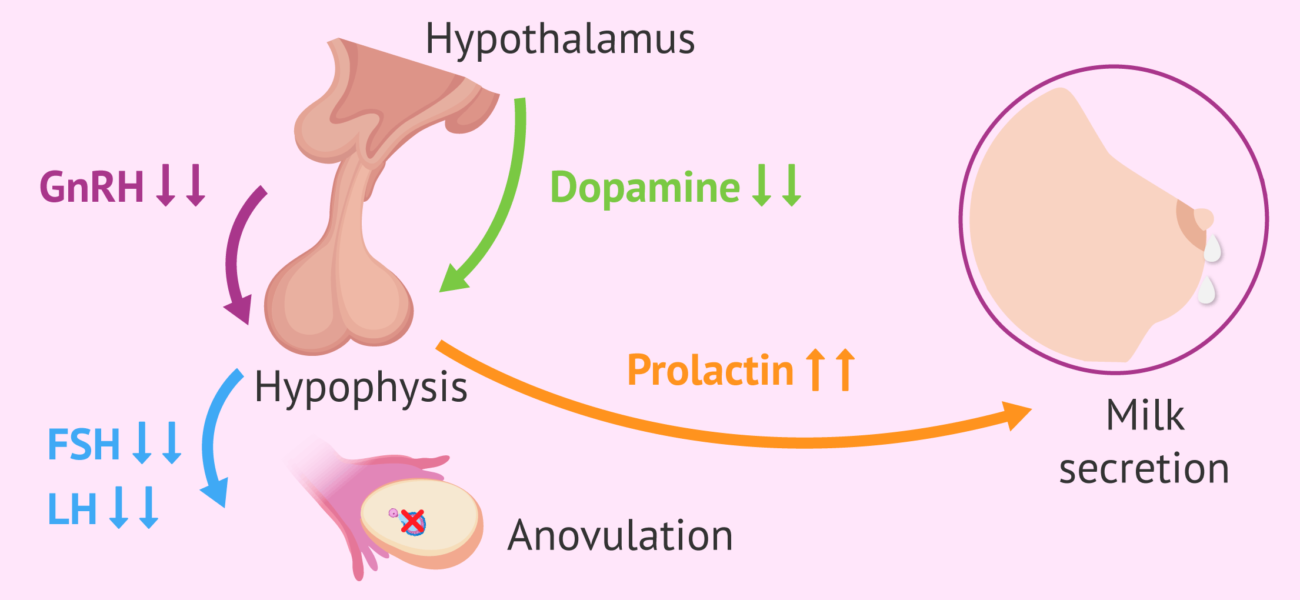
Hyperprolactinemia is a condition that occurs when there is an abnormally high level of prolactin in the blood. Prolactin is a hormone produced by the pituitary gland, a small organ at the base of the brain. While prolactin plays an important role in promoting breast milk production after childbirth, elevated levels outside of pregnancy and breastfeeding can cause various health problems.
In this blog, we’ll explore what causes hyperprolactinemia, its symptoms, how it’s diagnosed, and the available treatment options.
Causes of Hyperprolactinemia
Several factors can contribute to elevated prolactin levels:
- Prolactinoma: A benign (noncancerous) tumor of the pituitary gland that produces excess prolactin. This is the most common cause.
- Medications: Certain drugs, such as antipsychotics, antidepressants, blood pressure medications, and gastrointestinal drugs, can increase prolactin levels.
- Hypothyroidism: An underactive thyroid gland can lead to elevated prolactin production.
- Chest wall injuries: Trauma, surgery, or even conditions like shingles affecting the chest area can stimulate prolactin release.
- Pregnancy and breastfeeding: Naturally lead to high prolactin levels.
- Stress: Severe emotional or physical stress can sometimes cause temporary increases.
- Other pituitary disorders: Conditions that affect the function of the pituitary gland or hypothalamus can disrupt prolactin regulation.
Understanding the cause is crucial because treatment strategies vary depending on the underlying issue.
Symptoms of Hyperprolactinemia
The symptoms of hyperprolactinemia can vary between men and women and depend largely on how much prolactin is in the blood.
In Women:
- Irregular menstrual cycles or complete absence of periods (amenorrhea)
- Infertility
- Galactorrhea (production of breast milk not associated with childbirth or nursing)
- Breast tenderness
- Decreased libido
- Vaginal dryness
In Men:
- Erectile dysfunction
- Decreased libido
- Infertility
- Enlarged breast tissue (gynecomastia)
- Reduced muscle mass and body hair
In both sexes, a large prolactinoma can cause symptoms related to pressure on surrounding brain structures, such as:
- Headaches
- Vision problems, especially loss of peripheral vision
How is Hyperprolactinemia Diagnosed?
If hyperprolactinemia is suspected, several steps are taken to confirm the diagnosis:
- Blood tests: A simple blood test can measure prolactin levels. Testing is usually done in the morning when levels are naturally at their highest.
- Thyroid function tests: To check for hypothyroidism.
- MRI scan: If a prolactinoma is suspected, an MRI of the brain and pituitary gland is performed to look for tumors.
- Medication review: A detailed review of all current medications to identify potential causes.
Diagnosing the root cause is essential for choosing the right treatment plan.
Treatment Options for Hyperprolactinemia
Treatment depends on the underlying cause, the severity of symptoms, and whether or not a tumor is present.
1. Medications
- Dopamine agonists such as cabergoline and bromocriptine are the first-line treatments. These drugs lower prolactin levels and often shrink prolactinomas.
- For medication-induced hyperprolactinemia, switching to an alternative drug (if possible) may resolve the issue.
2. Surgery
- If a prolactinoma does not respond to medication or causes severe vision problems, surgery may be needed to remove the tumor.
3. Radiation Therapy
- Rarely used but may be considered if medication and surgery are unsuccessful in controlling tumor growth or hormone levels.
4. Treatment of Underlying Conditions
- If hypothyroidism is the cause, thyroid hormone replacement therapy can normalize prolactin levels.
5. Observation
- In cases of mild hyperprolactinemia without symptoms, careful monitoring without immediate treatment might be an option.
Living with Hyperprolactinemia
With appropriate treatment, most people with hyperprolactinemia can manage their condition effectively and lead normal, healthy lives. Regular follow-ups, blood tests, and imaging studies are essential to monitor treatment effectiveness and adjust therapy as needed.
Emotional support and education about the condition can also help individuals cope with the diagnosis, especially if fertility is affected.
Conclusion
Hyperprolactinemia is a manageable condition once properly diagnosed and treated. Whether caused by a prolactinoma, medication, or another underlying issue, early recognition and intervention can prevent complications and significantly improve quality of life.
The list of some Hyperprolactinemia medicine: