Calcium is essential for many vital body functions, including bone strength, muscle contraction, and nerve signaling. However, when calcium levels in the blood become too high—a condition known as hypercalcemia—it can cause a variety of health issues. Recognizing the signs and understanding the causes of hypercalcemia can help in managing this condition effectively.
Hypercalcemia occurs when the concentration of calcium in the bloodstream exceeds the normal range. While calcium is crucial for good health, too much can disrupt body systems, leading to complications affecting the bones, kidneys, digestive tract, and brain.
Normal blood calcium levels typically range between 8.5 and 10.2 milligrams per deciliter (mg/dL). Values above this range are considered high and may require medical attention, depending on the severity and symptoms.
Common Causes of Hypercalcemia
Several factors can lead to elevated calcium levels:
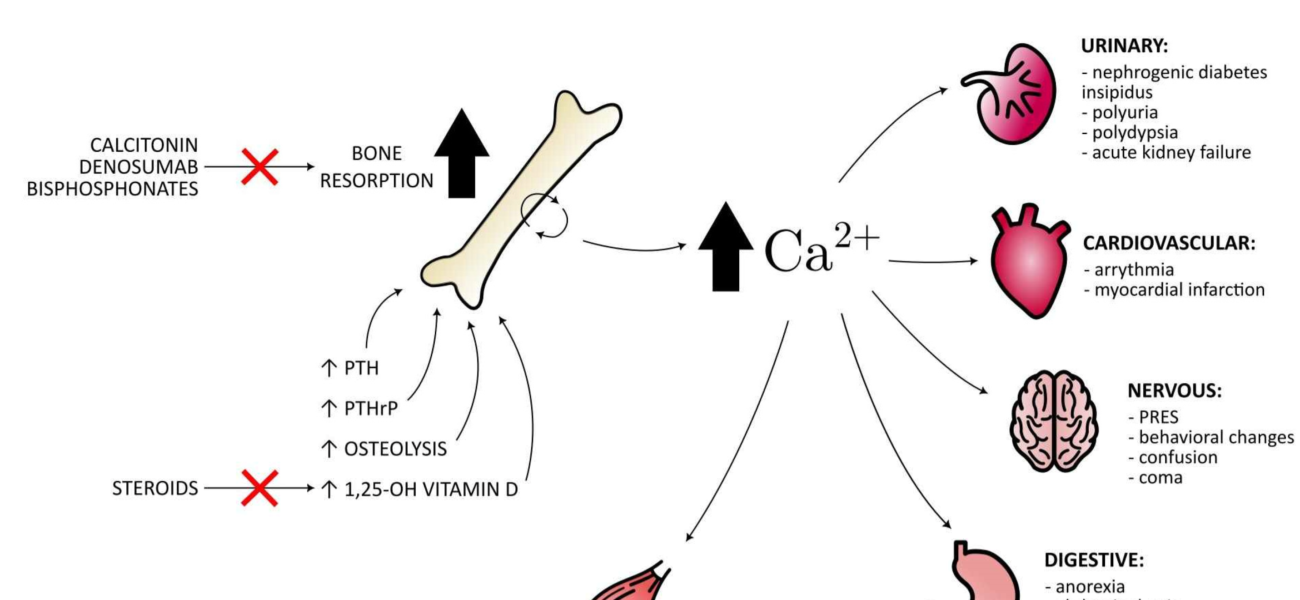
1. Overactive Parathyroid Glands
The parathyroid glands regulate calcium levels in the blood. When one or more of these glands become overactive (a condition called primary hyperparathyroidism), they release too much parathyroid hormone (PTH), increasing calcium levels.
2. Cancer
Certain cancers, especially lung, breast, and blood cancers, can cause hypercalcemia by producing substances that affect calcium balance or by spreading to the bones.
3. Excessive Vitamin D Intake
Vitamin D helps the body absorb calcium. Taking too much vitamin D through supplements can lead to dangerously high calcium levels.
4. Medications
Some drugs, such as lithium and thiazide diuretics, can interfere with the body’s regulation of calcium.
5. Other Medical Conditions
Diseases like tuberculosis and sarcoidosis can increase vitamin D production in the body, causing calcium levels to rise.
Symptoms of Hypercalcemia
Symptoms vary depending on how high the calcium levels are and how quickly they rise. Mild cases might not cause noticeable symptoms, but more severe cases can lead to:
- Frequent urination and thirst
- Nausea, vomiting, or constipation
- Abdominal pain
- Muscle weakness
- Confusion or cognitive changes
- Fatigue
- Bone pain or fractures
- Irregular heart rhythms
In extreme cases, hypercalcemia can cause kidney failure, cardiac arrhythmias, or coma, making prompt medical treatment crucial.
Diagnosing Hypercalcemia
Hypercalcemia is often detected through blood tests measuring total calcium or ionized calcium levels. Doctors may also check parathyroid hormone levels, kidney function, and vitamin D status. Imaging tests such as X-rays, ultrasounds, or bone scans may be used to identify underlying causes like tumors or bone changes.
Treatment Options for Hypercalcemia
Treatment depends on the severity and underlying cause:
- Mild Hypercalcemia: Monitoring and lifestyle adjustments, such as increased hydration and reduced calcium intake, may be enough.
- Moderate to Severe Cases: Hospitalization might be necessary. Treatments can include intravenous fluids to flush out excess calcium, medications like bisphosphonates to lower blood calcium, or corticosteroids if the cause is inflammatory.
- Surgery: In cases of parathyroid gland overactivity, surgical removal of the affected gland may be recommended.
Addressing the underlying cause is key to effectively managing hypercalcemia.
Preventing Hypercalcemia
While not all causes of hypercalcemia can be prevented, certain steps may reduce your risk:
- Limit calcium and vitamin D supplements to recommended doses.
- Stay hydrated, especially in hot climates or during illness.
- Follow up regularly with your healthcare provider if you have conditions that affect calcium metabolism.
- Manage chronic illnesses effectively with professional guidance.
Final Thoughts
Hypercalcemia is a serious health concern that can affect many body systems if left untreated. Early detection and proper management are crucial to prevent complications. If you experience symptoms associated with high calcium levels, it’s important to seek medical advice promptly. Balancing calcium intake, monitoring your health, and staying informed are key steps to maintaining overall well-being.
The list of some Hypercalcemia medicine: