Hyperactivity disorder, or ADHD, is a condition that affects the brain’s ability to regulate attention and impulses. The term “hyperactivity” refers to one of the primary symptoms of the disorder—excessive activity or restlessness, which can manifest in both physical movement and mental processes. People with ADHD might struggle with staying still, waiting their turn, or completing tasks that require sustained focus.
While the term “hyperactivity” might be misleading in some cases, as not all individuals with ADHD are overly active, it is a central aspect of the disorder. ADHD is typically diagnosed in childhood, though its symptoms can persist into adolescence and adulthood.
Symptoms of Hyperactivity Disorder
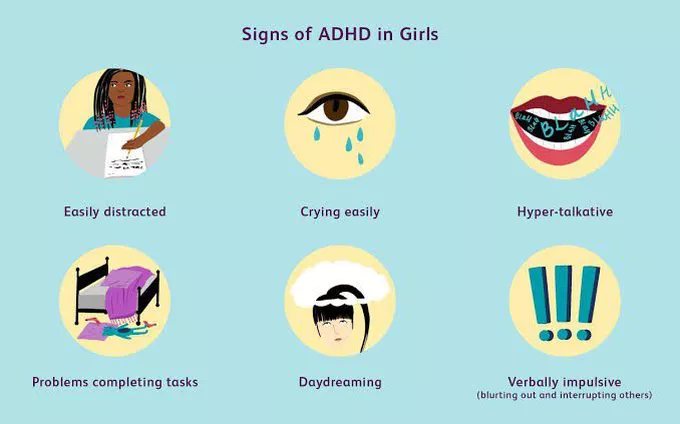
ADHD symptoms are divided into two main categories: inattention and hyperactivity/impulsivity. Not all individuals with ADHD will have all symptoms, and the severity can vary widely. The presence of hyperactivity and impulsivity is often more noticeable in children, while inattention might become more prominent in adults.
Inattention Symptoms:
- Easily distracted by extraneous stimuli
- Difficulty following through with tasks, such as homework or chores
- Forgetfulness in daily activities
- Trouble organizing tasks and managing time
- Frequently losing items needed for tasks and activities
Hyperactivity and Impulsivity Symptoms:
- Fidgeting or squirming while seated
- Inability to stay seated in situations where it’s expected (e.g., in class or at work)
- Running or climbing in inappropriate situations
- Inability to play or engage in activities quietly
- Talking excessively
- Interrupting others or being unable to wait for their turn
It’s important to note that hyperactivity disorder is more than just occasional forgetfulness or excess energy. The symptoms must be persistent, occurring for at least six months and impacting daily functioning to be considered as part of ADHD.
Causes and Risk Factors
The exact cause of hyperactivity disorder is not fully understood, but research points to several potential contributing factors:
- Genetics: ADHD tends to run in families, suggesting a genetic link. Certain genes associated with the regulation of dopamine (a neurotransmitter involved in attention and focus) may be implicated.
- Brain structure and function: Research shows that individuals with ADHD often have differences in the structure and activity of the brain, particularly areas related to attention and impulse control.
- Environmental influences: Factors such as prenatal exposure to tobacco, alcohol, or drugs, as well as lead exposure during early childhood, can increase the risk of ADHD.
- Premature birth: Children born prematurely or with low birth weight are at a higher risk for developing ADHD.
While these factors can contribute to the development of ADHD, they don’t guarantee that a person will have the disorder. A complex interplay of genetics and environment typically determines who will be affected.
Diagnosis of Hyperactivity Disorder
Diagnosing ADHD involves a comprehensive evaluation by a healthcare professional, often including:
- Clinical interviews: Gathering detailed information about symptoms, behavior, and family history.
- Behavioral assessments: Rating scales and questionnaires filled out by parents, teachers, or caregivers to assess how symptoms affect daily life.
- Medical exams: Ruling out other medical conditions that could cause similar symptoms (e.g., hearing or vision problems, sleep disorders).
- Psychological testing: In some cases, cognitive assessments may be used to understand attention span, memory, and other executive functions.
It’s essential to involve teachers, family members, or caregivers in the diagnostic process, as ADHD symptoms can be context-dependent, varying in different settings (home, school, work).
Treatment and Management of Hyperactivity Disorder
While there is no cure for hyperactivity disorder, it is manageable with the right combination of strategies. Treatment often involves a blend of medication, behavioral therapy, and lifestyle adjustments.
Medications:
- Stimulants (e.g., methylphenidate and amphetamines): These are the most commonly prescribed drugs for ADHD. They work by increasing the levels of certain neurotransmitters (dopamine and norepinephrine) in the brain, improving attention and focus.
- Non-stimulants (e.g., atomoxetine, guanfacine): These medications can be effective for individuals who don’t respond well to stimulants or who experience side effects.
Behavioral Therapy:
- Cognitive-behavioral therapy (CBT): Helps individuals with ADHD develop skills to manage their symptoms, such as time management, organization, and problem-solving.
- Parent training: Parents of children with ADHD often benefit from learning strategies to manage behavior, provide structure, and reinforce positive behaviors.
Lifestyle Adjustments:
- Routine and structure: Having a clear, predictable routine can help individuals with ADHD stay on track and reduce stress.
- Exercise: Regular physical activity can help manage hyperactivity and improve mood and focus.
- Mindfulness techniques: Practices like meditation or yoga can improve attention and reduce impulsivity.
- Dietary adjustments: A balanced diet that includes omega-3 fatty acids and avoids excess sugar and caffeine can support brain function.
Academic and Workplace Support:
- School accommodations: Students with ADHD may benefit from individualized education plans (IEPs) or 504 plans, which provide additional time for tests, more frequent breaks, and a quieter work environment.
- Workplace strategies: Adults with ADHD may need flexible work arrangements, such as modified deadlines or noise-canceling headphones, to enhance focus.
Final Thoughts
Living with hyperactivity disorder can be challenging, but it is far from a life sentence of struggle. With the right support, individuals with ADHD can thrive in their personal, academic, and professional lives. Treatment plans that combine medical interventions, behavioral strategies, and lifestyle changes offer the best outcomes. The most important thing to remember is that ADHD is not a reflection of intelligence or character. People with ADHD can be highly creative, energetic, and capable of achieving great things. Understanding, early diagnosis, and appropriate treatment are essential in helping individuals with hyperactivity disorder navigate their challenges and reach their full potential.
The list of some Hyperactivity Disorder medicine: