Hormone Replacement Therapy (HRT) is a widely used treatment designed to relieve symptoms associated with hormonal imbalances, particularly during menopause. For many women, HRT provides significant relief from hot flashes, vaginal dryness, mood swings, and other uncomfortable symptoms. However, as with any medical treatment, it’s important to understand both the benefits and the potential risks before deciding if HRT is right for you.
Hormone Replacement Therapy involves supplementing the body with hormones that are at lower levels due to aging or medical conditions. Typically, HRT provides estrogen alone or a combination of estrogen and progesterone. In some cases, testosterone therapy is also included, especially if sexual function and energy levels are significantly affected.
There are different forms of HRT, including pills, patches, creams, gels, sprays, and vaginal rings or tablets. The choice of treatment often depends on the symptoms being addressed, medical history, and personal preference.
Why is HRT Used?
The primary use of HRT is to manage symptoms associated with menopause, including:
- Hot flashes and night sweats
- Vaginal dryness and discomfort during intercourse
- Mood swings, anxiety, and depression
- Sleep disturbances
- Decreased bone density, leading to osteoporosis
HRT can also be prescribed for younger women who experience early menopause or for those who have had their ovaries surgically removed, resulting in sudden hormonal changes.
Types of Hormone Replacement Therapy
There are two main types of HRT:
1. Estrogen-only Therapy
- Usually prescribed for women who have had a hysterectomy (surgical removal of the uterus).
- Reduces symptoms like hot flashes and protects against osteoporosis.
2. Combined Estrogen and Progesterone Therapy
- Used for women who still have their uterus.
- Progesterone is added to protect the lining of the uterus from abnormal growth caused by estrogen alone, reducing the risk of uterine cancer.
In addition, low-dose vaginal preparations (creams, tablets, or rings) are available specifically to treat vaginal and urinary symptoms without significantly affecting the rest of the body.
Benefits of Hormone Replacement Therapy
When used appropriately, HRT offers several important benefits:
- Relief from Menopausal Symptoms: HRT remains the most effective treatment for hot flashes and vaginal discomfort.
- Bone Health: HRT helps preserve bone density, reducing the risk of osteoporosis and fractures.
- Improved Quality of Life: Many women experience better sleep, mood stability, and overall well-being with HRT.
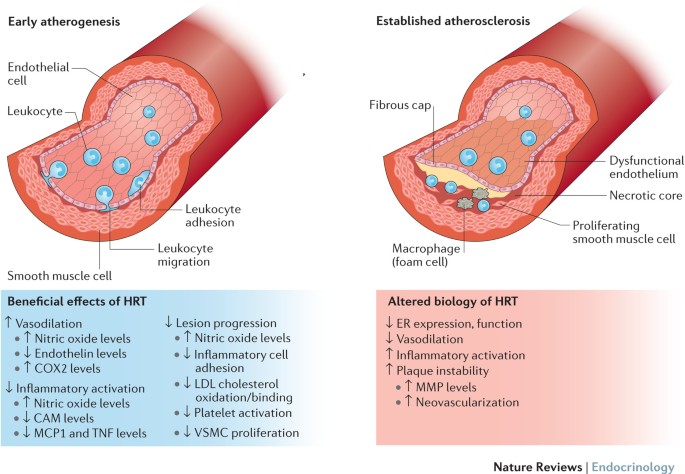
- Heart Health: Some research suggests that when started early in menopause, HRT may reduce the risk of heart disease, although this is still being studied.
Risks and Considerations
While HRT can provide significant relief, it is not without risks. Potential concerns include:
- Breast Cancer: Long-term use of combined estrogen and progesterone therapy may slightly increase the risk of breast cancer.
- Blood Clots: Estrogen, especially in pill form, can increase the risk of blood clots, leading to conditions like deep vein thrombosis or pulmonary embolism.
- Stroke: There is a small increased risk of stroke associated with HRT, particularly in older women.
- Heart Disease: Timing matters — starting HRT many years after menopause may slightly increase the risk of heart disease.
Who Should Avoid HRT?
HRT may not be appropriate for women who:
- Have a history of breast, ovarian, or uterine cancer
- Have had blood clots or stroke
- Have untreated high blood pressure
- Have liver disease
- Are currently pregnant or may become pregnant
A thorough discussion with a healthcare provider can help determine whether HRT is a safe and beneficial choice based on individual health history and needs.
Alternatives to HRT
For women who cannot or choose not to use HRT, there are other options:
- Lifestyle Changes: Maintaining a healthy weight, exercising regularly, and avoiding hot flash triggers can help manage symptoms.
- Non-hormonal Medications: Certain antidepressants, blood pressure medications, and other non-hormonal drugs have been shown to reduce hot flashes and other menopausal symptoms.
- Natural Remedies: Some women explore herbal treatments, such as black cohosh or soy products, although scientific support for these options varies.
Conclusion
Hormone Replacement Therapy can be a life-changing option for many women experiencing the challenges of menopause. Like any treatment, it requires a personalized approach — weighing the potential benefits against the risks. With careful consideration and guidance from a knowledgeable healthcare provider, women can make empowered choices about managing their hormonal health and maintaining their vitality through every stage of life.
The list of some Hormone Replacement Therapy medicine: