Hookworm infections may sound like a problem of the past, but they continue to affect millions of people worldwide, particularly in tropical and subtropical regions. Often associated with poverty and poor sanitation, hookworms are parasitic worms that can cause serious health issues if left untreated. Understanding how hookworms are contracted, their effects on the body, and ways to prevent infection is essential for global health.
Hookworm infections are caused by tiny parasitic worms that live in the small intestine of humans. The two primary species responsible for infections are Ancylostoma duodenale and Necator americanus. These worms are called “hookworms” because of their hook-like mouthparts that latch onto the intestinal wall, where they feed on blood.
Infected individuals can suffer from blood loss, nutritional deficiencies, and in severe cases, anemia and developmental issues, especially in children.
How Do Hookworm Infections Occur?
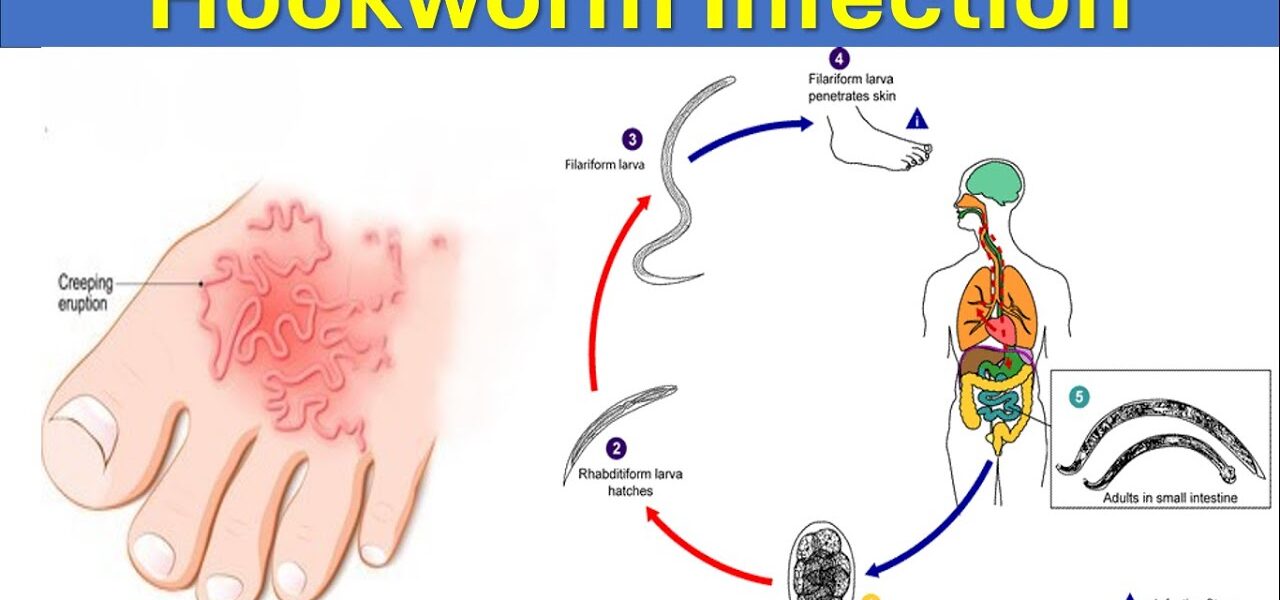
Hookworm infections typically start when a person comes into contact with contaminated soil. The lifecycle of the hookworm includes:
- Eggs: Passed in the feces of infected individuals.
- Larvae: Hatch in the soil under warm, moist conditions.
- Skin Penetration: The larvae can penetrate the skin, usually through the feet when someone walks barefoot on contaminated ground.
- Migration: After entering the body, the larvae travel through the bloodstream to the lungs, ascend to the throat, and are swallowed into the digestive system where they mature into adult worms in the intestine.
This silent entry into the body is why hookworm infections often go unnoticed until symptoms become more serious.
Symptoms of Hookworm Infections
Early infection may cause localized skin irritation, often referred to as “ground itch,” where the larvae entered the body. As the infection progresses, symptoms can include:
- Abdominal pain
- Diarrhea or constipation
- Loss of appetite
- Fatigue and weakness
- Iron-deficiency anemia
- Slowed physical and cognitive development in children
In chronic cases, heavy infections can lead to severe malnutrition, heart problems, and impaired growth.
Diagnosing Hookworm Infections
Diagnosis typically involves examining a stool sample under a microscope to identify hookworm eggs. In some cases, blood tests may be conducted to check for anemia or protein deficiency, both of which can suggest a parasitic infection.
It’s important to note that mild infections might not present obvious symptoms, making regular screening important in high-risk areas.
Treatment and Recovery
Hookworm infections are treatable with antiparasitic medications such as:
- Albendazole
- Mebendazole
These medications are effective in killing the adult worms. In cases where anemia or nutritional deficiencies are present, additional treatment with iron supplements and improved nutrition may be necessary.
Patients usually recover quickly after treatment, but in areas where reinfection is common, repeated treatment and preventive measures are critical.
Prevention of Hookworm Infections
Preventing hookworm infections revolves around improved hygiene and sanitation:
- Always wear shoes, especially in areas where the soil may be contaminated.
- Properly dispose of human feces to prevent soil contamination.
- Practice regular handwashing with soap and clean water.
- Avoid contact with soil that may be contaminated, particularly in high-risk areas.
- Public health measures such as mass deworming programs can also help reduce the prevalence of infections in communities.
Education plays a key role in prevention, especially in areas where hookworm infections are endemic.
The Global Impact
Hookworm infections are part of a group known as neglected tropical diseases (NTDs) because they primarily affect impoverished communities and often receive less attention than other major diseases. They have a significant impact on public health by perpetuating the cycle of poverty, as they impair children’s ability to grow and learn and adults’ ability to work productively.
Global efforts to eliminate hookworm infections focus on sanitation improvements, health education, access to clean water, and periodic deworming campaigns.
Conclusion Although often overlooked, hookworm infections pose a serious health risk for millions of people. With effective treatment, improved sanitation, and community education, it’s possible to control and eventually eliminate these infections. Awareness is the first step—understanding how these parasites operate and how to prevent infection can protect individuals and entire communities from the silent threat beneath our feet.
The list of some Hookworm Infections medicine: