High blood pressure, also known as hypertension, is one of the most common chronic health conditions worldwide. Often called the “silent killer,” it typically develops without noticeable symptoms but can lead to life-threatening complications like heart disease, stroke, and kidney failure if left unmanaged.
In this blog, we’ll explore what high blood pressure is, its causes, risk factors, symptoms, diagnosis, treatment, and prevention strategies.
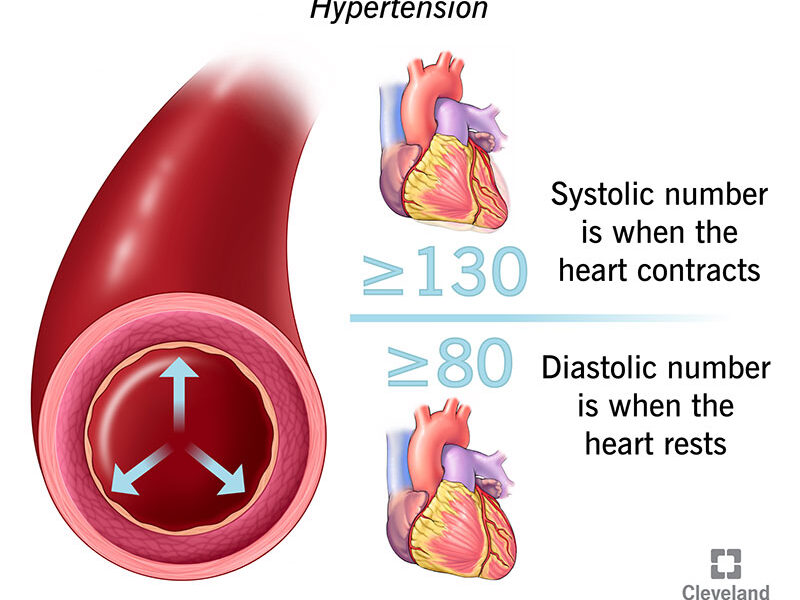
Blood pressure measures the force of blood pushing against the walls of the arteries as the heart pumps. A normal blood pressure reading is typically around 120/80 mmHg. The first number (systolic pressure) measures the pressure when the heart beats, and the second number (diastolic pressure) measures the pressure when the heart rests between beats.
High blood pressure occurs when this force is consistently too high, putting extra strain on blood vessels and vital organs over time.
Stages of High Blood Pressure:
- Normal: Less than 120/80 mmHg
- Elevated: Systolic between 120-129 and diastolic less than 80
- Stage 1 Hypertension: Systolic 130-139 or diastolic 80-89
- Stage 2 Hypertension: Systolic 140 or higher or diastolic 90 or higher
- Hypertensive crisis: Systolic over 180 and/or diastolic over 120 (requires immediate medical attention)
Causes and Risk Factors
High blood pressure can result from a variety of factors. It is typically classified into two types:
- Primary (essential) hypertension: Develops over time without an identifiable cause. It is often linked to genetics, age, diet, and lifestyle.
- Secondary hypertension: Caused by an underlying condition such as kidney disease, hormonal disorders, certain medications, or sleep apnea.
Common risk factors include:
- Age (risk increases as you get older)
- Family history of hypertension
- Being overweight or obese
- Sedentary lifestyle
- Poor diet (especially high salt, fat, and cholesterol intake)
- Excessive alcohol consumption
- Smoking
- Stress
- Chronic conditions like diabetes or kidney disease
Symptoms
High blood pressure is often asymptomatic, meaning many people don’t realize they have it. When symptoms do occur, they may include:
- Headaches
- Shortness of breath
- Nosebleeds
- Dizziness
- Chest pain
- Vision problems
Because symptoms usually appear only when blood pressure reaches dangerously high levels, regular screening is essential.
Diagnosing High Blood Pressure
Diagnosing hypertension involves a simple, painless blood pressure measurement, usually taken with a cuff around the arm. To confirm a diagnosis:
- Multiple readings over several visits may be needed.
- Ambulatory blood pressure monitoring (24-hour monitoring) might be used in some cases.
- Additional tests like blood tests, urine tests, and electrocardiograms (ECGs) may be recommended to check for related complications.
Early diagnosis is critical for preventing serious health issues.
Treatment Options
Managing high blood pressure typically involves a combination of lifestyle changes and, if necessary, medication.
1. Lifestyle Changes
- Healthy diet: Focus on fruits, vegetables, whole grains, and low-fat dairy. The DASH diet (Dietary Approaches to Stop Hypertension) is often recommended.
- Reduce sodium intake: Aim for less than 2,300 mg per day (ideally 1,500 mg).
- Exercise regularly: At least 150 minutes of moderate-intensity exercise per week.
- Maintain a healthy weight: Losing even a small amount of weight can significantly lower blood pressure.
- Limit alcohol: No more than one drink per day for women and two for men.
- Quit smoking: Smoking damages blood vessels and raises blood pressure.
- Manage stress: Techniques like meditation, yoga, and deep breathing can help.
2. Medications
Doctors may prescribe medications such as:
- Diuretics (water pills)
- ACE inhibitors
- Angiotensin II receptor blockers (ARBs)
- Calcium channel blockers
- Beta-blockers
The choice of medication depends on the severity of hypertension and other individual health factors.
Complications of Untreated High Blood Pressure
Without proper management, high blood pressure can lead to:
- Heart attack or stroke
- Heart failure
- Kidney damage or failure
- Vision loss
- Cognitive issues such as memory loss or dementia
Clearly, taking hypertension seriously is vital for long-term health.
Prevention Strategies
Even if you are at risk, adopting a healthy lifestyle can significantly reduce your chances of developing high blood pressure. Key prevention tips include:
- Eat a balanced diet low in salt and saturated fats.
- Exercise regularly.
- Monitor your blood pressure regularly.
- Limit alcohol and avoid smoking.
- Maintain a healthy weight.
- Manage stress through healthy coping mechanisms.
Proactive prevention is always better than dealing with complications later.
Conclusion
High blood pressure is a serious but manageable condition. Awareness, regular screenings, and making informed lifestyle choices are powerful tools to control hypertension and avoid its deadly complications. If you are diagnosed with high blood pressure, working closely with your healthcare provider to create a personalized plan can make a significant difference in your quality of life.
The list of some High Blood Pressure medicine: