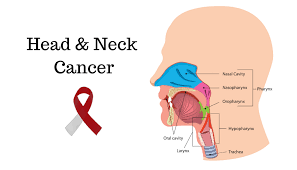
Head and neck cancer refers to a group of cancers that develop in or around the throat, larynx, nose, sinuses, and mouth. Though they make up a relatively small percentage of all cancers, these types can significantly affect breathing, eating, and speaking—making early detection and treatment especially critical.
With advancements in diagnostics and therapies, outcomes for head and neck cancer patients are improving. However, awareness of its causes, symptoms, and treatment options remains essential.
Head and neck cancer is not a single disease but a collection of cancers that begin in the squamous cells lining the moist surfaces inside the head and neck (e.g., mouth, nose, and throat). These are often referred to as squamous cell carcinomas.
The most common areas affected include:
- Oral cavity (lips, tongue, gums)
- Pharynx (throat)
- Larynx (voice box)
- Nasal cavity and sinuses
- Salivary glands
Each site may present with different symptoms and treatment strategies.
Risk Factors
Several risk factors are associated with the development of head and neck cancers:
- Tobacco use: Cigarettes, cigars, pipes, and smokeless tobacco are major contributors.
- Alcohol consumption: Heavy drinking significantly increases risk, especially when combined with tobacco use.
- Human papillomavirus (HPV): Infection with certain types of HPV, especially HPV-16, is a growing cause of oropharyngeal cancers.
- Poor oral hygiene and dental problems
- Occupational exposures to chemicals like asbestos, wood dust, or industrial fumes
- Epstein-Barr virus (EBV): Linked with nasopharyngeal cancer.
- Age and gender: Most common in men over the age of 50.
Signs and Symptoms
The symptoms of head and neck cancers vary depending on the area involved, but may include:
- Persistent sore throat or hoarseness
- Difficulty swallowing
- A lump or sore that doesn’t heal
- Ear pain or hearing changes
- Swelling in the jaw or neck
- Nasal congestion or chronic sinus infections that do not respond to treatment
- Unexplained weight loss
- Red or white patches inside the mouth
Because these symptoms can mimic less serious conditions, many cases are not detected until they reach an advanced stage.
Diagnosis
Diagnosing head and neck cancer involves a combination of tests:
- Physical examination and medical history
- Endoscopy: A thin tube with a camera is used to look inside the throat and other affected areas.
- Imaging tests: MRI, CT scans, PET scans, and X-rays help identify the tumor’s location and size.
- Biopsy: A tissue sample is taken for lab analysis to confirm the presence and type of cancer.
- HPV or EBV testing may be conducted if viral infection is suspected as a contributing factor.
Treatment Options
Treatment for head and neck cancer depends on the cancer’s location, stage, and the patient’s overall health. Common treatment approaches include:
- Surgery: Removing the tumor and some surrounding tissue.
- Radiation therapy: High-energy rays target and destroy cancer cells.
- Chemotherapy: Drugs used to kill or slow the growth of cancer cells, often combined with radiation.
- Targeted therapy: Medications that specifically attack cancer-related proteins or pathways.
- Immunotherapy: Stimulates the immune system to fight cancer more effectively (in select cases).
Rehabilitation may also be necessary, especially if speech, chewing, or swallowing are affected.
Recovery and Follow-up
Recovery varies greatly depending on the treatment and cancer stage. Patients may need:
- Speech and swallowing therapy
- Nutritional support
- Regular follow-ups to monitor for recurrence
Lifestyle changes, such as quitting smoking and reducing alcohol use, are essential for improving long-term outcomes and preventing new cancers.
Prevention and Awareness
While not all cases of head and neck cancer are preventable, you can reduce your risk with the following steps:
- Avoid tobacco in all forms
- Limit alcohol consumption
- Maintain good oral hygiene
- Protect yourself from HPV through vaccination and safe practices
- Use appropriate protective gear if exposed to hazardous materials
- Seek regular medical and dental checkups
Conclusion Head and neck cancer can be a life-altering diagnosis, but with early detection and proper treatment, many patients go on to live full and healthy lives. Understanding the risk factors and being alert to early symptoms can make a critical difference. Continued education and awareness are key to improving survival rates and enhancing quality of life for those affected.
The list of some Head and Neck Cancer medicine: