Itching is a common and often harmless symptom most people experience occasionally. However, when itching becomes intense, widespread, and persistent without a visible rash, it could signal a deeper health issue—particularly related to the liver. Cholestatic pruritis is one such condition, often linked to liver and bile duct disorders. Understanding this condition can help individuals recognize early signs and seek timely treatment.
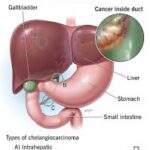
Cholestatic pruritus refers to itching caused by cholestasis, a condition where bile flow from the liver is reduced or blocked. Bile is a digestive fluid essential for breaking down fats and eliminating waste products from the body. When bile accumulates, it can lead to a buildup of substances in the blood that trigger intense itching sensations.
This type of pruritus can significantly affect quality of life, sometimes being more distressing than the liver disease itself.
Causes of Cholestatic Pruritis
Cholestatic pruritus can arise from various liver and bile duct disorders, including:
- Primary biliary cholangitis (PBC): An autoimmune disease that damages the bile ducts inside the liver.
- Primary sclerosing cholangitis (PSC): Inflammation and scarring of the bile ducts.
- Intrahepatic cholestasis of pregnancy (ICP): A temporary liver disorder during pregnancy that impairs bile flow.
- Obstruction of bile ducts: From gallstones, tumors, or strictures.
- Viral hepatitis: Such as hepatitis B or C infections.
- Drug-induced liver injury: Certain medications can impair bile flow as a side effect.
What Does Cholestatic Pruritis Feel Like?
The itching in cholestatic pruritus is typically:
- Widespread, though it may start in the palms of the hands and soles of the feet.
- Worse at night, potentially disturbing sleep.
- Unrelieved by scratching, and often without any visible rash initially.
- Fluctuating in intensity, sometimes coming and going without clear triggers.
Over time, scratching can lead to skin damage, including redness, thickened skin, and secondary infections.
Why Does Cholestatic Pruritis Occur?
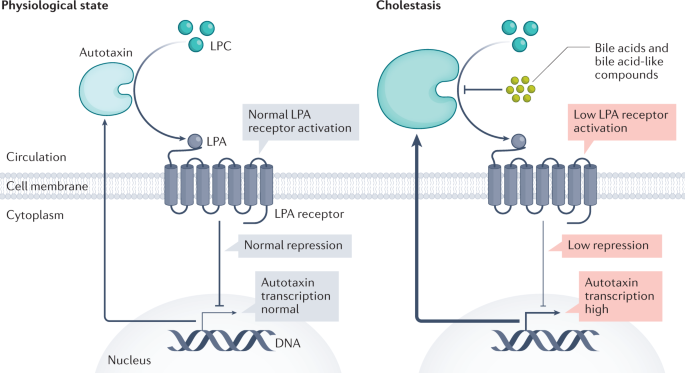
The exact mechanism behind cholestatic pruritus is still not fully understood. Several substances are suspected of playing a role, including:
- Bile acids: When bile flow is impaired, bile acids may accumulate in the bloodstream and cause itching.
- Lysophosphatidic acid (LPA): A molecule believed to directly stimulate nerve endings that trigger itch sensations.
- Endogenous opioids: Natural opioids produced by the body may be elevated in liver disease and alter the perception of itching.
Diagnosis of Cholestatic Pruritis
Diagnosing cholestatic pruritus involves:
- Clinical evaluation: A detailed history and physical exam.
- Blood tests: Liver function tests to assess bile duct health and liver enzymes.
- Imaging studies: Ultrasound, MRI, or CT scans to look for bile duct obstruction.
- Additional tests: Sometimes a liver biopsy is necessary to identify specific liver diseases.
It’s important to differentiate cholestatic pruritus from other causes of chronic itching, such as dermatological or systemic illnesses.
Treatment Options
Managing cholestatic pruritus focuses on both relieving the itching and addressing the underlying liver problem:
Symptomatic Treatments
- Bile acid sequestrants: Medications like cholestyramine bind bile acids in the intestine, preventing their reabsorption.
- Rifampin: An antibiotic that can reduce itching through effects on bile metabolism.
- Opioid antagonists: Drugs like naltrexone may help counteract itch signals triggered by the body’s natural opioids.
- Sertraline: An antidepressant that has shown benefits in reducing itch severity.
Treating the Underlying Cause
- Managing liver disease (e.g., antiviral therapy for hepatitis, surgery for bile duct obstruction) can help reduce symptoms.
- In cases like intrahepatic cholestasis of pregnancy, delivery of the baby typically resolves the condition.
Advanced Interventions
When symptoms are severe and resistant to treatment, more invasive procedures like plasmapheresis (removing substances from the blood) or liver transplantation may be considered.
Coping Strategies
Besides medical treatments, patients can also take steps to find some relief:
- Moisturizing the skin: Keeping the skin hydrated reduces irritation.
- Avoiding hot showers: Heat can worsen itching.
- Wearing loose, soft clothing: Reduces friction on sensitive skin.
- Managing stress: Stress can intensify the sensation of itching.
Final Thoughts
Cholestatic pruritus is more than just an itch—it’s a sign that something deeper is happening within the body. Early recognition and a comprehensive approach to diagnosis and treatment are essential. If you or someone you know is struggling with persistent, unexplained itching, particularly with a known liver condition, consulting a healthcare professional is crucial for proper management and relief.
The list of some Cholestatic Pruritis medicine:
Olestar