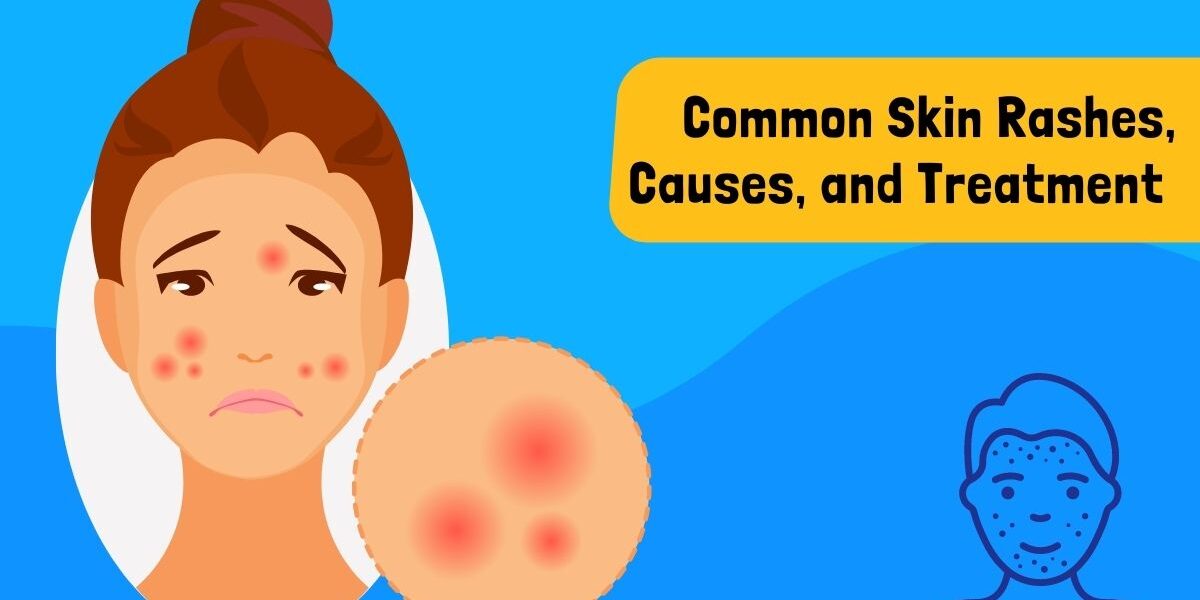
A skin rash is a common condition that most people will experience at some point in their lives. While often seen as a minor irritation, a rash can sometimes be a sign of an underlying health issue. Understanding the causes, symptoms, and treatments of skin rashes can help individuals manage them effectively and seek help when necessary.
Understanding Skin Rashes
A skin rash refers to any noticeable change in the texture, appearance, or color of the skin. It may cause the skin to become red, inflamed, bumpy, scaly, or itchy. Rashes can appear on a small area or spread across large portions of the body, depending on the cause.
Some rashes resolve on their own, while others may require medical attention. Because they can result from a wide range of causes—some harmless, others more serious—it’s important to pay attention to their characteristics.
Common Causes of Skin Rashes
Rashes can be triggered by many factors, such as:
- Allergic Reactions: Substances like latex, certain foods, medications, or insect stings can trigger allergic skin responses.
- Irritants: Harsh soaps, detergents, or contact with chemicals may lead to contact dermatitis, a rash caused by direct skin irritation.
- Infections: Bacterial, viral, or fungal infections can cause rashes. Conditions like ringworm, impetigo, and shingles fall into this category.
- Autoimmune Disorders: Conditions like lupus or psoriasis cause the body’s immune system to mistakenly attack healthy skin tissue.
- Heat and Sweat: Heat rashes (also known as prickly heat) often occur in hot, humid environments when sweat ducts become blocked.
- Medications: Some medications may cause side effects that include rashes, either due to allergic reaction or drug sensitivity.
- Chronic Skin Conditions: Diseases like eczema and rosacea cause recurring or long-term rashes.
Types of Skin Rashes
Understanding what type of rash you’re dealing with can guide treatment. Some common types include:
- Eczema (Atopic Dermatitis): Usually dry, itchy, and inflamed skin, often occurring in children but also in adults.
- Psoriasis: A chronic autoimmune condition that causes thick, red, scaly patches on the skin.
- Contact Dermatitis: Appears after direct contact with an irritant or allergen; can be red, itchy, and blistered.
- Hives (Urticaria): Raised, itchy welts on the skin, often caused by allergic reactions or stress.
- Heat Rash: Small red bumps, often itchy or prickly, caused by blocked sweat glands.
- Fungal Rashes: Such as athlete’s foot or jock itch—typically itchy, red, and ring-shaped.
Symptoms to Watch For
While some rashes are mild and go away with basic care, others can be more severe. Symptoms to monitor include:
- Persistent itching or burning
- Blistering or oozing
- Painful or rapidly spreading rash
- Fever accompanying the rash
- Swelling of the face or throat (emergency sign of allergic reaction)
- Rash that doesn’t improve with home treatment
If any of these signs are present, it’s important to seek medical attention promptly.
Diagnosing a Skin Rash
Doctors can usually diagnose a rash based on appearance and history. However, in some cases, further tests may be needed:
- Skin scraping or biopsy to analyze under a microscope.
- Allergy testing if an allergic reaction is suspected.
- Blood tests to rule out underlying infections or autoimmune diseases.
Accurate diagnosis is key to effective treatment.
Treatment Options
Treatment for skin rashes depends on the underlying cause:
- Topical creams and ointments: Such as corticosteroids or antihistamines to reduce inflammation and itching.
- Oral medications: For infections (antibiotics or antifungals) or allergic reactions (antihistamines).
- Moisturizers: Especially important in treating eczema and dry-skin-related rashes.
- Cool compresses: Help soothe itching and inflammation.
- Avoiding triggers: Identifying and staying away from known irritants or allergens is essential for preventing future outbreaks.
In severe or persistent cases, a dermatologist may recommend more targeted therapies like immunosuppressive medications or phototherapy.
Prevention and Skin Care Tips
While not all rashes are preventable, taking care of your skin can reduce the risk:
- Use gentle, fragrance-free skin products
- Moisturize regularly, especially in dry or cold weather
- Avoid scratching, which can worsen irritation or lead to infection
- Stay cool and dry in hot weather
- Practice good hygiene, but avoid overwashing or using harsh soaps
- Wear breathable clothing to reduce irritation
Conclusion
Though often dismissed as a minor annoyance, a skin rash can provide important clues about your overall health. Being aware of what causes rashes and knowing when to seek help is crucial for proper care. Whether it’s a fleeting itch or a persistent condition, your skin deserves attention and care—it’s your body’s first line of defense, after all.
The list of some Skin Rash medicine:
LuciAbro