$0.00
0
Ibrutinib Therapy for Relapsed Mantle Cell Lymphoma

Reclaiming Control: Ibrutinib Therapy for Relapsed Mantle Cell Lymphoma

Mantle cell lymphoma (MCL) is an aggressive blood cancer. Relapsing after initial chemotherapy is a harsh reality for many patients. Traditional treatments often lose their effectiveness quickly. The disease returns rapidly. This leaves patients and oncologists searching for viable second-line options. Time and clinical efficacy are critical. Ibrutinib offers a highly targeted approach. It specifically …

Continue Reading
Ibrutinib Treatment for Chronic Lymphocytic Leukemia (CLL)

Complete Patient Action Plan for Ibrutinib Treatment for Chronic Lymphocytic Leukemia (CLL)

Hearing a diagnosis of Chronic Lymphocytic Leukemia (CLL) is overwhelming. You suddenly face a barrage of complex medical terms and treatment options. Traditional chemotherapy often brings harsh side effects. It requires long hospital visits and major disruptions to your daily life. The uncertainty can feel paralyzing. Ibrutinib offers a different path. This targeted oral therapy …

Continue Reading
rectal cancer

What is Rectal cancer?

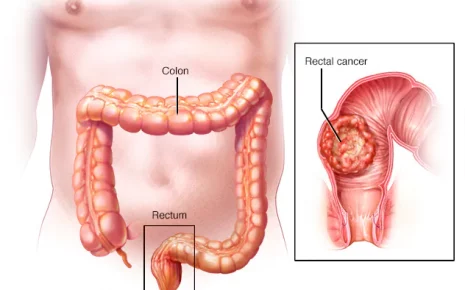
Rectal cancer is cancer that begins in the rectum. The rectum is the last several inches of the large intestine. It starts at the end of the final segment of your colon and ends when it reaches the short, narrow passage leading to the anus. Cancer inside the rectum (rectal cancer) and cancer inside the …

Continue Reading
bladder-cancer

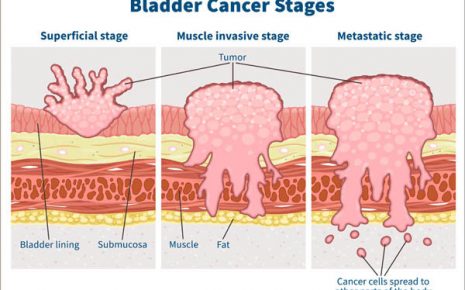
What is Bladder Cancer (Urothelial carcinoma)?

Bladder cancer is a common type of cancer that begins in the cells of the bladder. The bladder is a hollow muscular organ in your lower abdomen that stores urine. Bladder cancer most often begins in the cells (urothelial cells) that line the inside of your bladder. Urothelial cells are also found in your kidneys …

Continue Reading

What is Peritoneal Cancers?

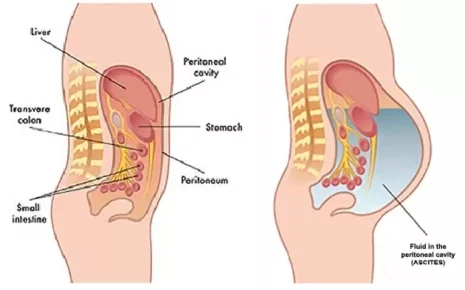
Cancer that has spread to the lining surfaces of the peritoneal (abdominal) cavity from ovarian cancer, primary colorectal cancer, appendiceal cancer, or mesothelioma and pseudomyxoma peritonei—known as peritoneal carcinomatosis—are cancers that are frequently referred to as peritoneal cancers. Symptoms Patients in the early stages of the disease will often have few symptoms until the disease …

Continue Reading
Primary Biliary Cholangitis

What is Primary Biliary Cholangitis ?

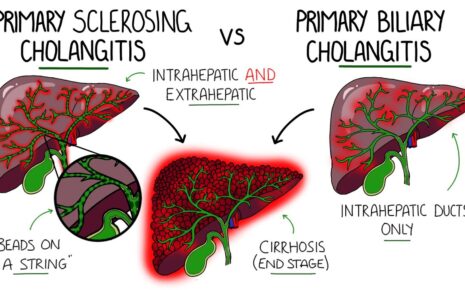
Primary biliary cholangitis, previously called primary biliary cirrhosis, is a chronic disease in which the bile ducts in your liver are slowly destroyed. Bile is a fluid made in your liver. It aids with digestion and helps you absorb certain vitamins. It also helps your body get rid of cholesterol, toxins and worn-out red blood …

Continue Reading
What is Pancreatic Cancer?

What is Pancreatic Cancer?

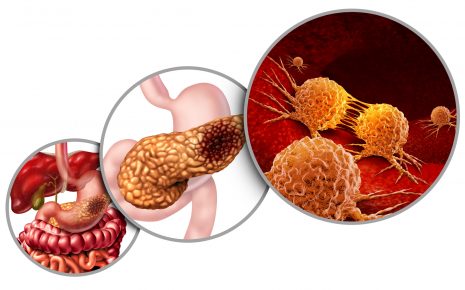
Pancreatic cancer begins in the tissues of your pancreas — an organ in your abdomen that lies behind the lower part of your stomach. Your pancreas releases enzymes that aid digestion and produces hormones that help manage your blood sugar. Several types of growths can occur in the pancreas, including cancerous and noncancerous tumors. The …

Continue Reading
Ovarian cancer

What is Ovarian cancer ?

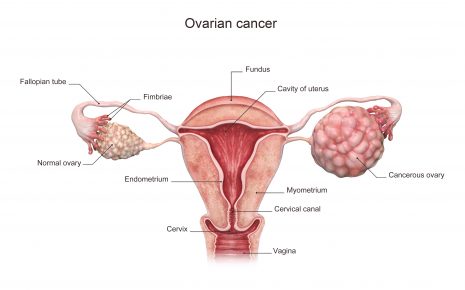
Ovarian cancer is an Enhancement of cells that forms in the ovaries. The cells multiply quickly and can attack and destroy healthy body tissue. The female reproductive system contains two ovaries, one on each side of the uterus. The ovaries — each about the size of an almond — produce eggs (ova) as well as …

Continue Reading
myeloma

What Is myeloma ?

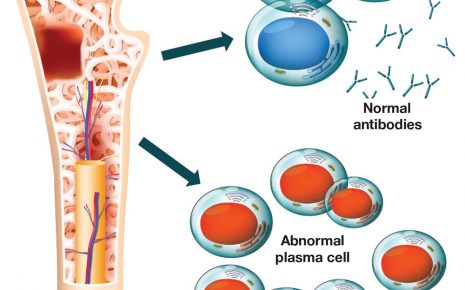
Multiple myeloma is a cancer that forms in a type of white blood cell called a plasma cell. Healthy plasma cells help you fight infections by making antibodies that recognize and attack germs. In multiple myeloma, cancerous plasma cells accumulate in the bone marrow and crowd out healthy blood cells. Rather than produce helpful antibodies, …

Continue Reading
Myelodysplastic syndromes

What is Myelodysplastic syndromes ?

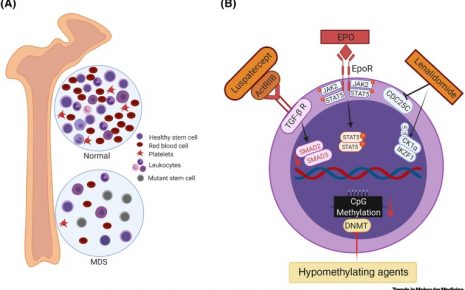
Myelodysplastic syndromes are a group of disease caused by blood cells that are poorly formed or don’t work properly. Myelodysplastic syndromes result from something amiss in the spongy components inside your bones where blood cells are made (bone marrow). Management of myelodysplastic syndromes is most often intended to slow the disorder, ease symptoms and prevent …

Continue Reading