$0.00
0
What is High Blood Pressure

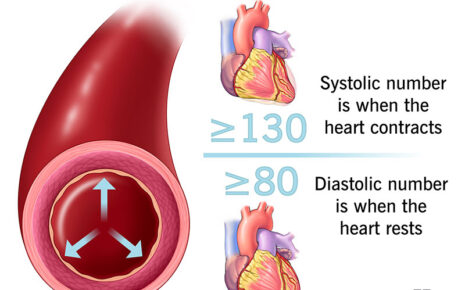
What is High Blood Pressure?

High blood pressure, also known as hypertension, is one of the most common chronic health conditions worldwide. Often called the “silent killer,” it typically develops without noticeable symptoms but can lead to life-threatening complications like heart disease, stroke, and kidney failure if left unmanaged. In this blog, we’ll explore what high blood pressure is, its …
Continue Reading
What is Mesothelioma Cancer

What is Mesothelioma Cancer?

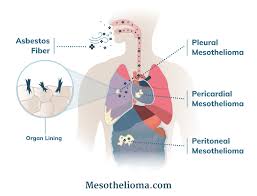
Mesothelioma is a rare, aggressive form of cancer that develops in the mesothelium — a thin layer of tissue covering most internal organs. It most commonly affects the lining of the lungs (pleura) but can also occur in the abdomen (peritoneum), heart (pericardium), or testicles (tunica vaginalis). This cancer is strongly linked to asbestos exposure …

Continue Reading
Postmenopausal Osteoporosis

What is Postmenopausal Osteoporosis?

Osteoporosis is often called the “silent disease” because it progresses without symptoms until a fracture occurs. Among the different types, postmenopausal osteoporosis is particularly significant. It affects millions of women worldwide, severely impacting their health, independence, and quality of life. Understanding this condition is crucial for early intervention and prevention. Postmenopausal osteoporosis is a form …

Continue Reading
What is Pulmonary Arterial Hypertension

What is Pulmonary Arterial Hypertension?

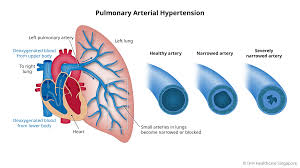
Pulmonary Arterial Hypertension (PAH) is a rare but serious condition that affects the arteries carrying blood from the heart to the lungs. In PAH, these arteries become narrowed, blocked, or destroyed, causing blood pressure in the lungs to rise far above normal levels. Over time, this added pressure makes it harder for the heart to …

Continue Reading
Rectum Cancer

What is Rectum Cancer?

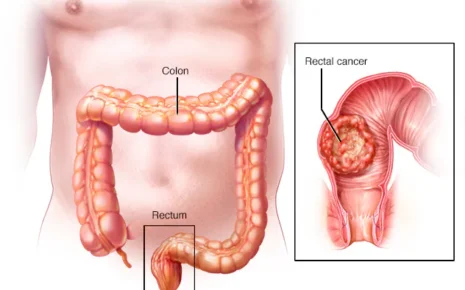
Rectum cancer refers to cancer that develops in the rectum — the last portion of the large intestine that connects the colon to the anus. It plays a crucial role in storing stool until it is expelled from the body. Cancer in this area is a type of colorectal cancer and often shares many similarities …

Continue Reading
What is Mental Disorder?

What is Mental Disorder?

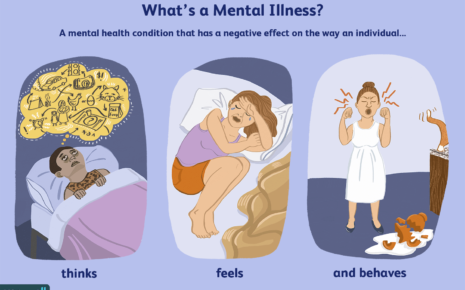
Mental disorders, often misunderstood and stigmatized, are among the leading causes of disability worldwide. These conditions affect how individuals think, feel, behave, and interact with others. While the symptoms may not be visible like a broken bone, the impact on a person’s quality of life can be just as severe—sometimes even more so. As mental …

Continue Reading
What is High Blood Calcium Levels and Bone Health

What is High Blood Calcium Levels and Bone Health?

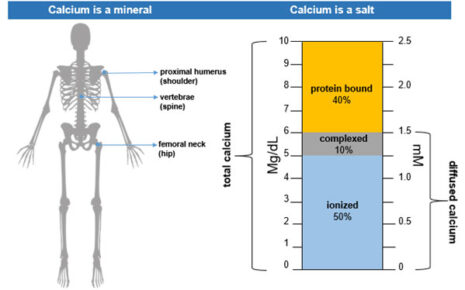
Calcium is an essential mineral that plays a critical role in many body functions, including muscle contraction, nerve transmission, and blood clotting. However, its most well-known role is in building and maintaining strong bones. When calcium levels in the blood become too high — a condition known as hypercalcemia — it can signal serious underlying …

Continue Reading
Schizoaffective Disorder

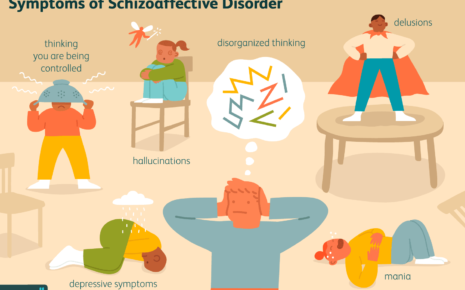
What is Schizoaffective Disorder?

Schizoaffective disorder is a mental health condition that presents a complex intersection of schizophrenia-like symptoms and mood disorder symptoms, such as depression or mania. It can be challenging to diagnose and even more difficult to manage, as it involves symptoms from both psychosis and mood disorders. However, with the right approach, individuals with schizoaffective disorder …

Continue Reading
What Is Schizophrenia

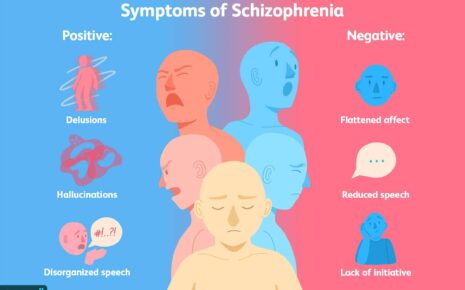
What Is Schizophrenia?

Schizophrenia is a chronic mental health disorder characterized by disruptions in thought processes, perceptions, emotional responsiveness, and social interactions. People with schizophrenia often seem like they have lost touch with reality, experiencing symptoms such as hallucinations, delusions, and disorganized thinking. It’s important to recognize that schizophrenia is not a split or multiple personality disorder, as …

Continue Reading
What is Menopause

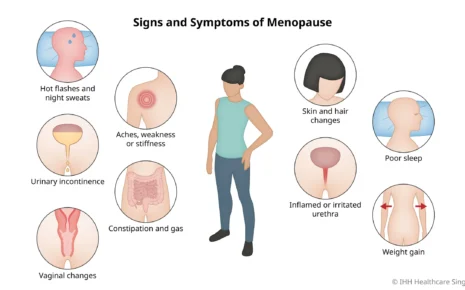
What is Menopause?

Menopause marks a significant phase in a woman’s life, signaling the end of her reproductive years. It is a natural biological process that typically occurs between the ages of 45 and 55, though the timing can vary. While menopause is a normal part of aging, the physical and emotional symptoms it brings can sometimes feel …

Continue Reading