$0.00
0
What is Hypercalcemia?

What is Hypercalcemia?

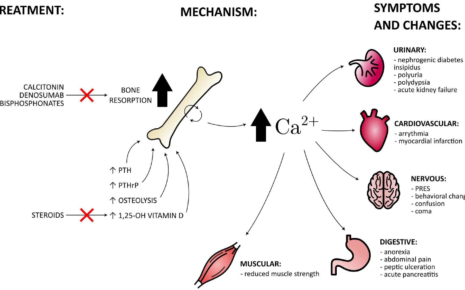
Calcium is essential for many vital body functions, including bone strength, muscle contraction, and nerve signaling. However, when calcium levels in the blood become too high—a condition known as hypercalcemia—it can cause a variety of health issues. Recognizing the signs and understanding the causes of hypercalcemia can help in managing this condition effectively. Hypercalcemia occurs …
Continue Reading
Heparest

What is Hyperammonemia?

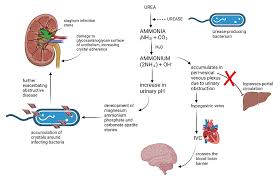
The human body constantly performs a delicate balancing act, keeping various substances within safe limits to maintain health. One such substance is ammonia, a waste product formed when proteins are broken down. Normally, the liver converts ammonia into urea, which is then excreted through urine. However, when ammonia builds up in the blood — a …

Continue Reading
What is Nephropathy?

What is Nephropathy?

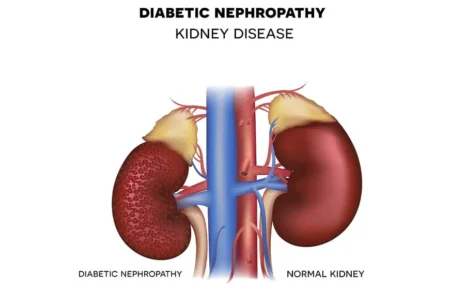
Our kidneys play a vital role in keeping the body balanced and healthy. They filter waste, regulate fluids, and control important hormones. When these organs are damaged, the consequences can affect many systems throughout the body. One of the most serious types of kidney damage is nephropathy, a condition that often develops gradually but can …

Continue Reading
What is Narcolepsy?

What is Narcolepsy?

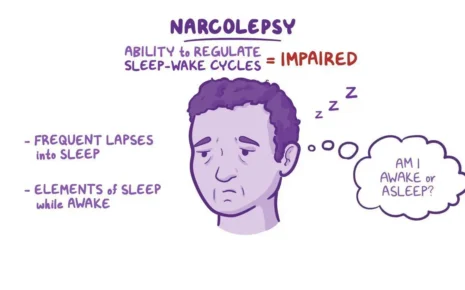
When we think about sleep problems, insomnia or sleep apnea usually come to mind first. However, narcolepsy is another serious sleep disorder that deserves attention. Often portrayed inaccurately in movies and media, narcolepsy is much more complex than simply “falling asleep suddenly.” It affects the brain’s ability to regulate sleep-wake cycles, impacting a person’s daily …

Continue Reading
What Is Hyperactivity Disorder

What Is Hyperactivity Disorder?

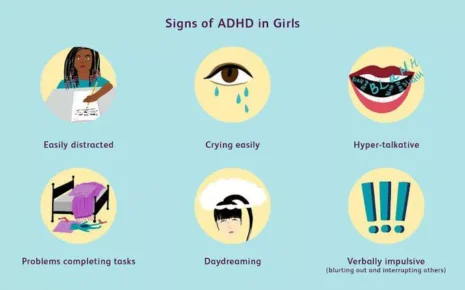
Hyperactivity disorder, or ADHD, is a condition that affects the brain’s ability to regulate attention and impulses. The term “hyperactivity” refers to one of the primary symptoms of the disorder—excessive activity or restlessness, which can manifest in both physical movement and mental processes. People with ADHD might struggle with staying still, waiting their turn, or …

Continue Reading
What is Neutropenia?

What is Neutropenia?

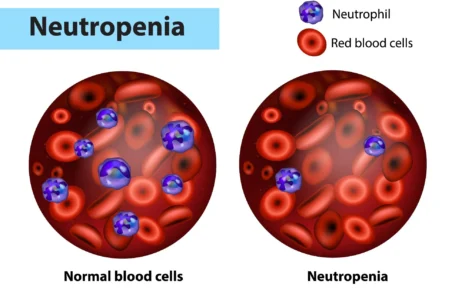
Neutropenia is a medical condition characterized by an unusually low level of neutrophils — a type of white blood cell crucial for fighting off infections. Since neutrophils are the body’s first line of defense against bacteria and fungi, their shortage leaves individuals highly vulnerable to infections. While neutropenia itself may not cause symptoms, its consequences …

Continue Reading
What is Hydrocortisone

What is Hydrocortisone?

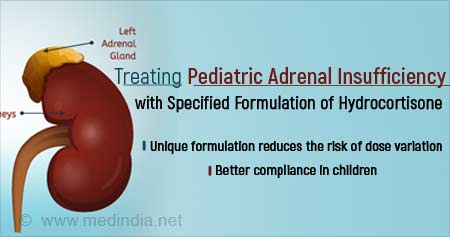
In the intricate network of hormones that regulate our body’s functions, hydrocortisone plays a quiet but vital role. Often referred to as a “stress hormone,” hydrocortisone is actually the pharmaceutical form of cortisol, a steroid hormone naturally produced by the adrenal glands. Whether used topically, orally, or by injection, this powerful agent is a cornerstone …

Continue Reading
Obesity

What is Obesity?

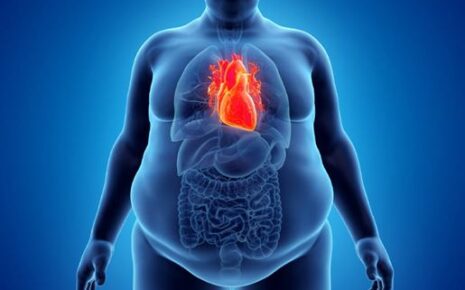
Obesity is more than just a matter of appearance—it’s a serious medical condition that increases the risk of various chronic diseases and affects overall well-being. As rates of obesity continue to climb globally, understanding its causes, effects, and solutions is critical to reversing this alarming trend. Obesity is a condition characterized by excessive accumulation of …

Continue Reading
Oligodendroglioma

What is an Oligodendroglioma?

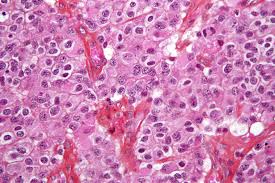
Brain tumors come in many forms, and among the rarer types is a tumor called oligodendroglioma. Although it represents only a small fraction of brain tumors, understanding this condition is important for early diagnosis, effective treatment, and informed management. In this blog, we’ll dive into what oligodendroglioma is, its causes, symptoms, how it’s diagnosed, treatment …

Continue Reading
What is Hot Flashes?

What is Hot Flashes?

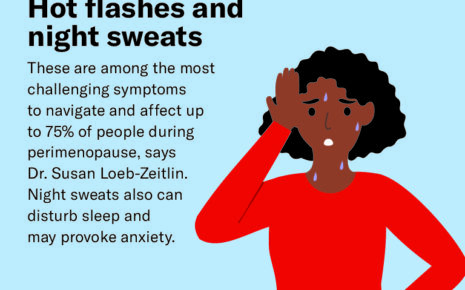
Hot flashes are one of the most common and recognizable symptoms associated with menopause. For many women, they can be sudden, intense, and sometimes disruptive. Although hot flashes are a natural part of aging, they can affect daily activities, sleep quality, and overall well-being. Understanding what causes them, recognizing their patterns, and exploring ways to …

Continue Reading