$0.00
0
what is Intestinal Disorder

What is Intestinal Disorder?

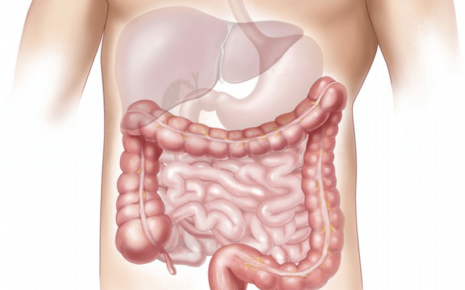
Intestinal disorders refer to a wide range of conditions that affect the gastrointestinal (GI) tract, particularly the small and large intestines. These disorders can vary in severity, from mild discomfort to life-threatening illnesses, and they can impact digestion, absorption of nutrients, and overall health. Millions of people worldwide suffer from intestinal issues, making it an …
Continue Reading
what is Influenza

What is Influenza?

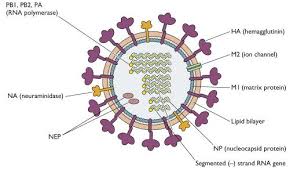
Influenza, often simply called the flu, is a contagious respiratory illness that affects millions of people worldwide each year. Although many people recover without complications, influenza can cause severe illness and even death, particularly in vulnerable populations such as the elderly, young children, and individuals with weakened immune systems. In this blog, we will explore …

Continue Reading
Idiopathic Pulmonary Fibrosis

What is Idiopathic Pulmonary Fibrosis?

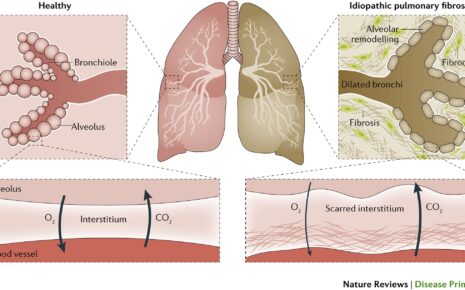
Breathing is something most people take for granted. But for individuals living with Idiopathic Pulmonary Fibrosis (IPF), each breath can be a struggle. IPF is a chronic and progressive lung disease that gradually makes it harder for the lungs to work properly. Despite medical advances, IPF remains a serious condition with an unclear cause, making …

Continue Reading
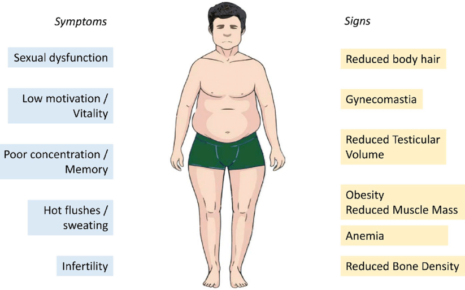
what is Hypogonadism

What is Hypogonadism?

Hormones play a vital role in regulating many of the body’s functions, including growth, metabolism, and reproduction. When the body produces too little of the sex hormones — testosterone in men and estrogen in women — the condition is called hypogonadism. This hormonal imbalance can affect physical development, sexual function, mood, and overall health. Recognizing …

Continue Reading
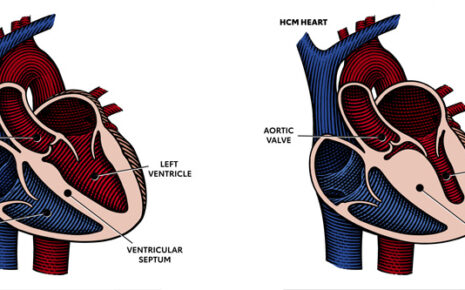
what is Hypertrophic cardiomyopathy

What is Hypertrophic Cardiomyopathy?

The heart is one of the most vital organs in the human body, responsible for pumping blood throughout the body to supply oxygen and nutrients. For most people, heart function is relatively straightforward, but for some, the heart muscle itself becomes the issue. One such condition that affects the heart’s ability to pump effectively is …

Continue Reading
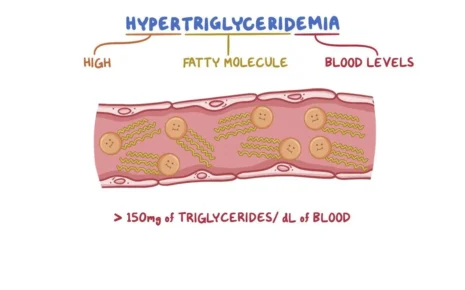
what is Hypertriglyceridemia

What is Hypertriglyceridemia?

Hypertriglyceridemia refers to an elevated level of triglycerides — a type of fat found in your blood. Triglycerides are essential for storing and providing energy to your body, but when their levels become too high, they can lead to serious health problems, including heart disease and pancreatitis. Though it often doesn’t present with obvious symptoms, …

Continue Reading
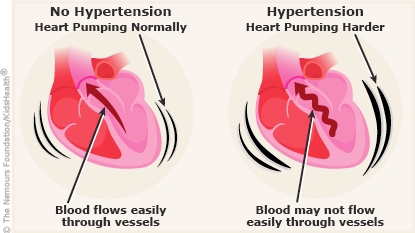
What is Hypertension?

What is Hypertension?

Hypertension, commonly known as high blood pressure, is a serious health condition that affects millions of people around the world. Often called the “silent killer” because it may not show any symptoms, hypertension can quietly damage your heart, blood vessels, kidneys, and other organs over time if left untreated. Early detection and proper management are …

Continue Reading
What is Hyperprolactinemia?

What is Hyperprolactinemia?

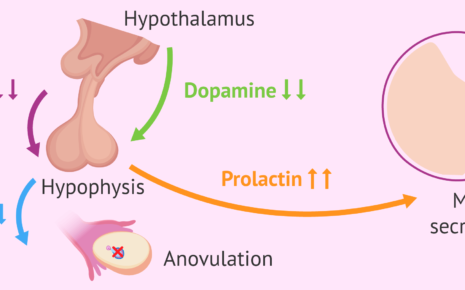
Hyperprolactinemia is a condition that occurs when there is an abnormally high level of prolactin in the blood. Prolactin is a hormone produced by the pituitary gland, a small organ at the base of the brain. While prolactin plays an important role in promoting breast milk production after childbirth, elevated levels outside of pregnancy and …

Continue Reading
What is Hyperphosphatemia?

What is Hyperphosphatemia?

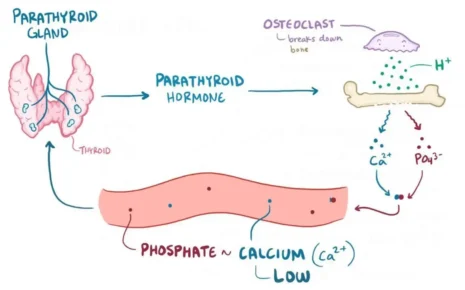
Phosphorus is a vital mineral in the body, playing a critical role in bone health, energy production, and the function of cells. However, when phosphorus levels in the blood become too high — a condition known as hyperphosphatemia — it can lead to serious health problems, especially for people with underlying kidney disease. Understanding hyperphosphatemia …

Continue Reading
What is Hypercholesterolaemia?

What is Hypercholesterolaemia?

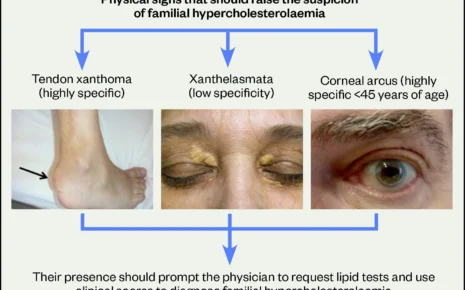
Hypercholesterolaemia is a medical term that refers to having high levels of cholesterol in the blood. Cholesterol is a waxy, fat-like substance that is essential for building healthy cells. However, when cholesterol levels become too high, it can lead to serious health issues, particularly heart disease. Managing cholesterol is important because it often builds up …

Continue Reading