What is Supraventricular Arrhythmias?
Supraventricular arrhythmias (SVAs) are a group of abnormal heart rhythms originating in the upper chambers of the heart—the atria or the atrioventricular (AV) node. These …

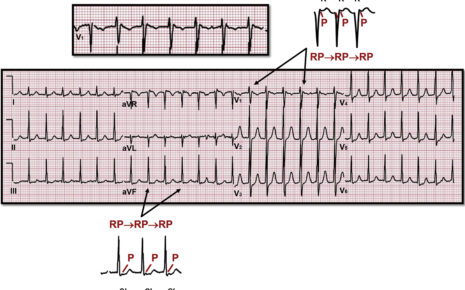
Supraventricular arrhythmias (SVAs) are a group of abnormal heart rhythms originating in the upper chambers of the heart—the atria or the atrioventricular (AV) node. These …
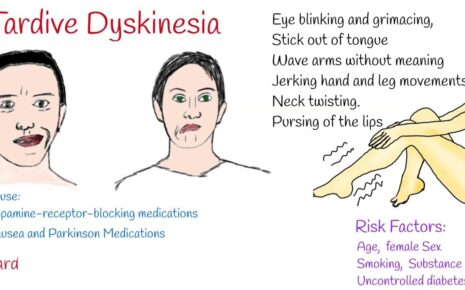
Tardive dyskinesia (TD) is a complex neurological disorder characterized by involuntary, repetitive body movements. It is most often a side effect of long-term use of …
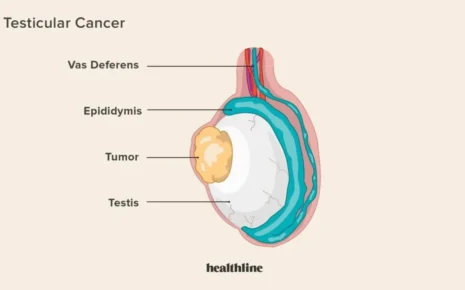
Testicular cancer is a disease in which malignant (cancer) cells form in the tissues of one or both testicles — the male reproductive glands located …
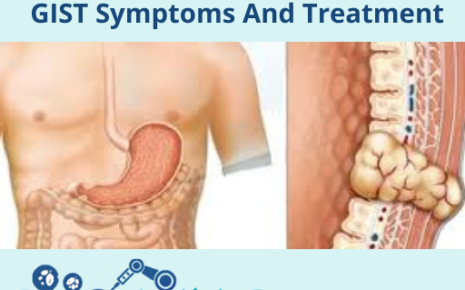
When discussing cancers of the digestive system, most people think of colon, stomach, or pancreatic cancers. However, there’s another, lesser-known type of tumor that arises …
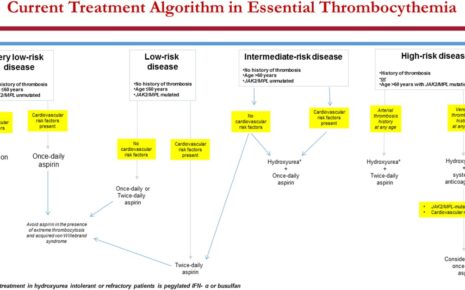
The body’s ability to regulate the number of platelets in the blood is crucial for maintaining overall health. Platelets play a key role in blood …

Thrombocytopenia is a medical term used to describe a platelet count that is below the normal range. Platelets, or thrombocytes, are tiny cell fragments in …
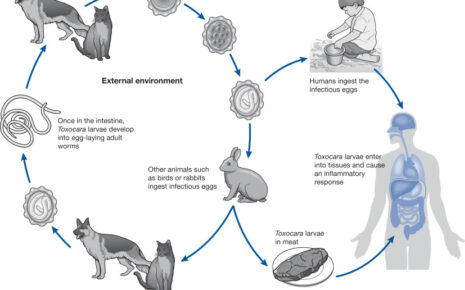
Toxocariasis is a lesser-known but significant zoonotic disease — meaning it can be transmitted from animals to humans. Caused by the larvae of roundworms commonly …
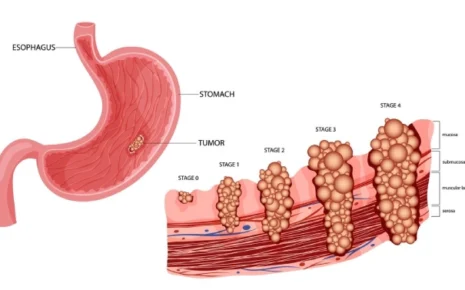
Cancer is a complex and often frightening diagnosis, and when it strikes the stomach, it is known as gastric cancer. Despite advances in medicine, gastric …
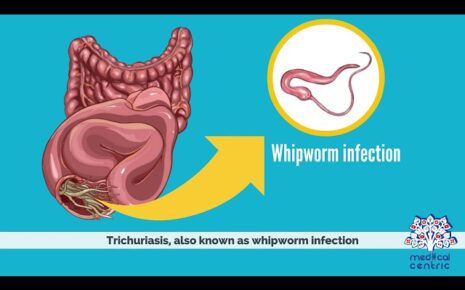
Trichuriasis is a common intestinal infection caused by the human whipworm, Trichuris trichiura. Though often overlooked, especially in regions with limited resources, this parasitic disease …
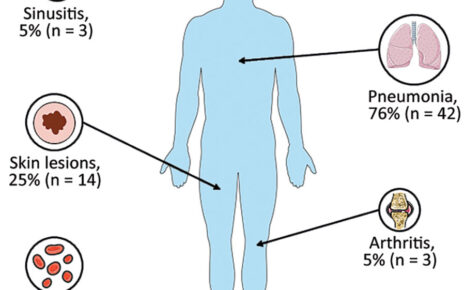
Fusariosis is an infection caused by the Fusarium fungi, which can affect various parts of the body, including the skin, eyes, sinuses, lungs, and even …