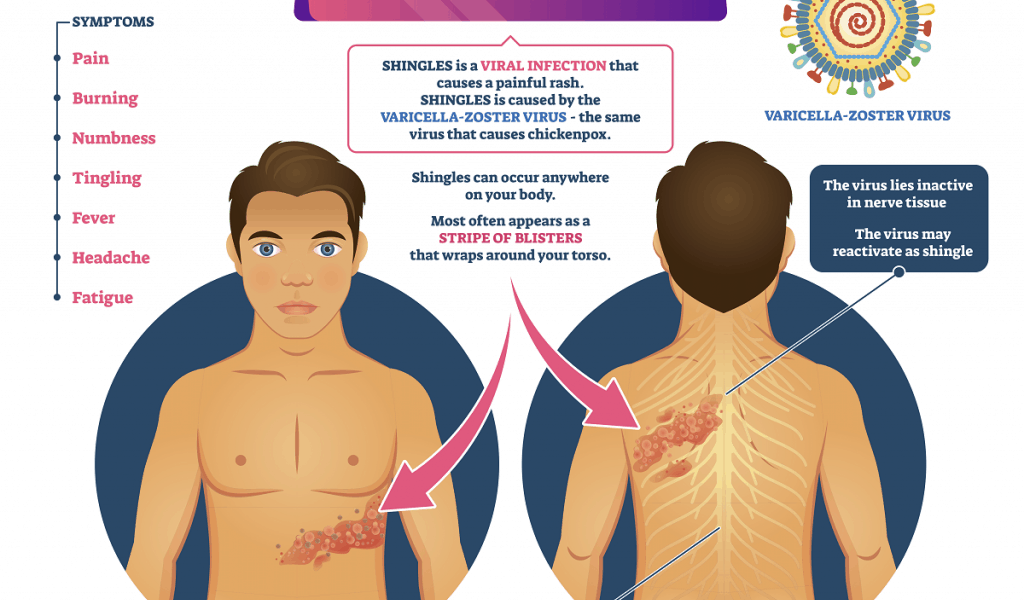
Nostherpetic Peuralgia (PHN) is a chronic nerve pain condition that occurs as a complication of shingles (herpes zoster) — a viral infection caused by the reactivation of the varicella-zoster virus, the same virus responsible for chickenpox. After a shingles rash heals, some individuals continue to experience severe nerve pain in the affected area, often lasting for months or even years.
Although not life-threatening, Nostherpetic Peuralgia can be debilitating and greatly affect quality of life, making early recognition and effective management crucial.
What Causes Nostherpetic Peuralgia?
After recovering from chickenpox, the varicella-zoster virus remains dormant in the body’s nerve tissues. When reactivated later in life, it causes shingles. In some people, the nerve damage caused by this reactivation leads to ongoing pain long after the rash disappears — this condition is known as Nostherpetic Peuralgia.
The pain results from nerve fibers that are damaged or overly sensitive, sending exaggerated or distorted pain signals to the brain.
Causes and Risk Factors
While anyone who has had shingles can develop Nostherpetic Peuralgia, certain factors increase the risk:
- Age: People over 50 are more likely to develop PHN.
- Severity of shingles: Severe or widespread shingles rashes, especially on the face or torso, raise the likelihood of nerve pain afterward.
- Delay in antiviral treatment: Not starting antiviral medications within 72 hours of the rash appearing can increase risk.
- Weakened immune system: Conditions such as HIV, cancer, or immune-suppressing medications can make the body more vulnerable.
- Nerve sensitivity: Individuals with preexisting nerve disorders or chronic pain may be more susceptible.
Symptoms
The main symptom of Nostherpetic Peuralgia is persistent nerve pain in the area where shingles occurred. The pain can range from mild to severe and may have different sensations depending on the person.
Common symptoms include:
- Burning, stabbing, or shooting pain
- Extreme sensitivity to touch (even light clothing may cause pain)
- Itching, tingling, or numbness
- Muscle weakness in the affected area
- Fatigue, irritability, or sleep disturbance due to ongoing pain
The pain usually remains localized but can significantly interfere with daily activities and emotional well-being.
Effects on Daily Life
Nostherpetic Peuralgia can be physically exhausting and emotionally draining. Chronic pain may lead to difficulty sleeping, concentrating, or performing everyday tasks. Many individuals also experience anxiety, depression, or social withdrawal due to persistent discomfort.
Proper pain management, emotional support, and lifestyle adjustments are essential for maintaining a good quality of life.
Diagnosis
Diagnosis is primarily based on medical history and physical examination. If pain persists for more than three months after a shingles rash has healed, it is typically diagnosed as Nostherpetic Peuralgia.
Common diagnostic steps include:
- Physical examination: Assessing pain areas and sensitivity.
- Patient history: Reviewing recent shingles infection and current symptoms.
- Neurological tests: Evaluating nerve function and pain response.
In most cases, imaging or blood tests are unnecessary unless another underlying condition is suspected.
Treatment Options
The goal of treatment is to relieve pain, restore comfort, and improve quality of life. Since nerve damage takes time to heal, therapy often involves a combination of medications and supportive care.
1. Medications
Several drug classes can help manage PHN pain:
- Anticonvulsants (Gabapentin, Pregabalin): Calm nerve activity and reduce pain signals.
- Antidepressants (Amitriptyline, Nortriptyline, Duloxetine): Alter brain chemicals to ease nerve pain.
- Topical therapies: Lidocaine patches or capsaicin creams can soothe localized pain.
- Pain relievers: NSAIDs or mild opioids may be used for short-term pain control.
2. Nerve Blocks or Injections
For severe pain, local anesthetic or steroid injections can provide temporary relief by numbing affected nerves.
3. Non-Drug Therapies
- Physical therapy: Gentle stretching and movement improve circulation and nerve recovery.
- Transcutaneous Electrical Nerve Stimulation (TENS): Uses mild electrical impulses to reduce pain signals.
- Relaxation techniques: Meditation, mindfulness, and stress management help control pain perception.
Coping and Lifestyle Management
Managing Nostherpetic Peuralgia requires both physical and emotional strategies. Helpful approaches include:
- Maintaining a consistent sleep schedule to reduce fatigue and pain sensitivity.
- Wearing soft, loose clothing to minimize skin irritation.
- Balanced diet and hydration to support overall nerve health.
- Engaging in support groups or counseling for emotional well-being.
- Practicing gentle exercise or yoga to boost mood and improve circulation.
Final Thoughts
Nostherpetic Peuralgia is a painful but manageable condition that arises after shingles. Early treatment of shingles with antiviral medications, vaccination against herpes zoster, and timely pain management can greatly reduce the risk and severity of PHN.
The list of some Postherpetic Peuralgia medicine:
Gabastar
Gabapen