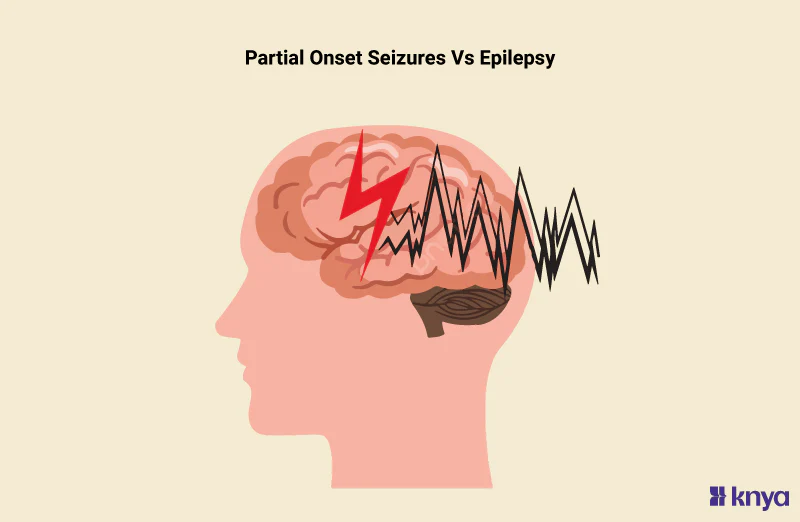
Partial-Onset Seizures, also known as Focal Seizures, occur when abnormal electrical activity begins in a specific area of the brain rather than affecting the entire brain at once. These seizures can cause various symptoms depending on which part of the brain is involved — ranging from subtle sensory changes to loss of awareness or involuntary movements.
While they are not always life-threatening, partial-onset seizures can significantly impact daily life and often require long-term management. Understanding their causes, symptoms, and treatment options is essential for effective control and better quality of life.
Overview
Partial-onset seizures are categorized into two main types:
- Focal Aware Seizures (Simple Partial Seizures): The person remains conscious and aware during the seizure, often experiencing unusual sensations or muscle twitches.
- Focal Impaired Awareness Seizures (Complex Partial Seizures): The person may lose awareness, appear dazed, or perform repetitive movements without realizing it.
Sometimes, a focal seizure can spread and evolve into a generalized seizure, affecting both sides of the brain. These seizures can occur at any age and are among the most common types seen in individuals with epilepsy.
Causes and Risk Factors
Partial-onset seizures result from disrupted electrical signaling in a specific brain region. The underlying causes can vary widely, and identifying them helps guide treatment.
Common causes and risk factors include:
- Brain injury or trauma: Damage from accidents or surgery may trigger seizure activity.
- Stroke or reduced blood flow to the brain
- Brain infections: Such as meningitis or encephalitis.
- Brain tumors or structural abnormalities
- Genetic or developmental disorders
- Neurodegenerative conditions: Like Alzheimer’s disease.
- Family history: A genetic predisposition to epilepsy can increase risk.
In some cases, no exact cause can be identified — a condition known as idiopathic epilepsy.
Symptoms
The symptoms of partial-onset seizures vary based on the area of the brain affected and whether consciousness is preserved.
Common symptoms include:
- Sudden fear, anxiety, or déjà vu sensations
- Abnormal smells, tastes, or visual distortions
- Tingling or numbness in a specific body part
- Uncontrollable muscle twitching or jerking
- Lip smacking, chewing motions, or repetitive hand movements
- Temporary confusion or loss of awareness
- Staring spells or unresponsiveness
Seizures typically last from a few seconds to two minutes, followed by a recovery phase where the person may feel tired or disoriented.
Effects on Daily Life
Living with partial-onset seizures can be challenging. Frequent or unpredictable seizures may interfere with work, driving, education, and emotional well-being. Many patients experience anxiety or depression due to fear of recurrence.
However, with proper diagnosis, consistent treatment, and lifestyle adjustments, most individuals can manage their condition effectively and maintain independence. Support from healthcare professionals, family, and epilepsy communities plays a vital role in improving quality of life.
Diagnosis
Diagnosing partial-onset seizures requires careful medical evaluation and testing to determine the type and cause.
Diagnostic methods include:
- Detailed medical history: To understand symptoms, frequency, and triggers.
- Neurological examination: To assess brain and nerve function.
- EEG (Electroencephalogram): Records electrical activity in the brain to identify abnormal patterns.
- MRI or CT scans: Detects structural brain abnormalities, lesions, or tumors.
- Blood tests: Helps rule out metabolic or infectious causes.
Accurate diagnosis ensures the most appropriate and effective treatment strategy.
Treatment Options
Treatment for partial-onset seizures aims to reduce frequency and severity while improving overall well-being.
- Medications (Antiseizure Drugs)
These are the first-line treatment and include drugs such as carbamazepine, lamotrigine, levetiracetam, and oxcarbazepine. Dosage and choice depend on the individual’s condition and tolerance. - Surgery
If seizures originate from a clearly defined brain region that can be safely removed, surgery may be considered — especially when medications fail to control symptoms. - Vagus Nerve Stimulation (VNS)
A small device implanted under the skin sends mild electrical impulses to the brain through the vagus nerve, helping prevent seizures. - Dietary Therapy
The ketogenic diet or modified Atkins diet may help reduce seizures, especially in children or drug-resistant cases. - Lifestyle Management
Adequate sleep, stress management, regular medication adherence, and avoiding known triggers (like flashing lights or alcohol) are essential for control.
Coping and Lifestyle Management
Managing partial-onset seizures extends beyond medication. A proactive lifestyle can help patients maintain stability and confidence.
Helpful strategies include:
- Keeping a seizure diary to identify triggers
- Taking medication consistently at the same time
- Ensuring adequate sleep and stress control
- Avoiding alcohol and recreational drugs
- Educating family and coworkers on seizure first aid
- Joining epilepsy support groups for emotional encouragement
With awareness and support, many people lead active, fulfilling lives despite the diagnosis.
Final Thoughts
Partial-onset seizures are complex but manageable with early diagnosis, effective treatment, and lifestyle adaptation. Advances in medicine — including new antiseizure drugs and neuromodulation therapies — continue to improve patient outcomes.
The list of some Partial-Onset Seizures medicine:
Gabastar
Gabapen
Peranel