Lupus is a chronic autoimmune disorder where the body’s immune system mistakenly attacks its own healthy tissues and organs. This abnormal immune response can cause widespread inflammation and damage to various body systems, including the skin, joints, kidneys, heart, lungs, brain, and blood cells. Lupus is often challenging to diagnose because its symptoms mimic those of many other illnesses.
Awareness and understanding of lupus are crucial for early diagnosis, better treatment, and improving the quality of life for those living with the condition.
What is Lupus?
In a healthy body, the immune system protects against foreign invaders like viruses and bacteria. However, in autoimmune diseases like lupus, the immune system cannot distinguish between foreign invaders and the body’s own tissues. As a result, it attacks the body itself, leading to inflammation, pain, and tissue damage.
Lupus is a lifelong condition that can have periods of flare-ups (when symptoms worsen) and remission (when symptoms improve or disappear).
Types of Lupus
There are several forms of lupus, including:
- Systemic Lupus Erythematosus (SLE): The most common and serious type, affecting multiple organs and systems throughout the body.
- Cutaneous Lupus: Primarily affects the skin, causing rashes and lesions.
- Drug-Induced Lupus: Triggered by certain medications. Symptoms usually resolve once the medication is discontinued.
- Neonatal Lupus: A rare condition affecting newborns, caused by antibodies from the mother with lupus.
Symptoms of Lupus
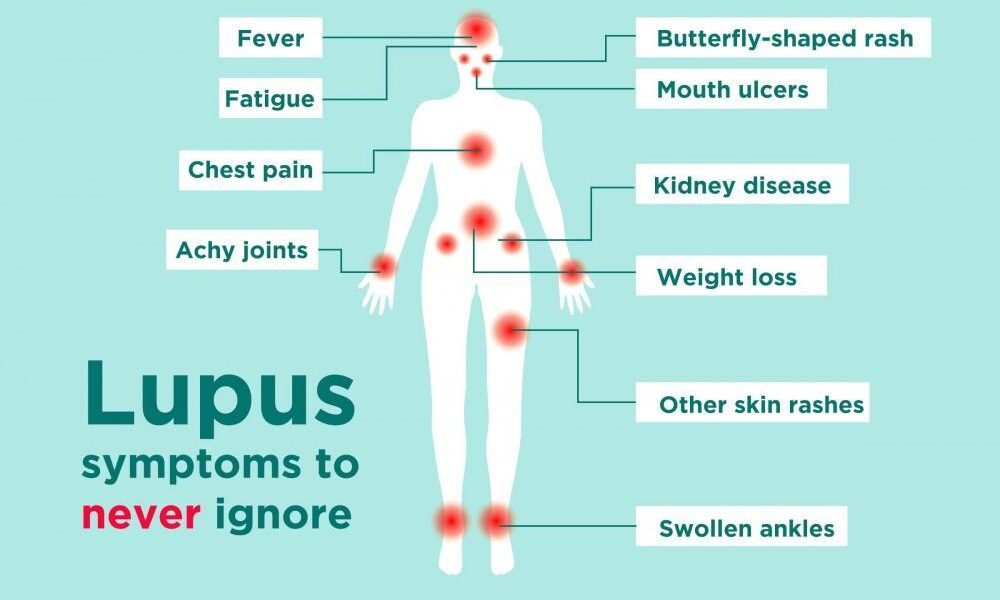
Symptoms can vary widely from person to person and may come and go. Common signs and symptoms include:
- Fatigue
- Joint pain, stiffness, and swelling
- Skin rashes, particularly a butterfly-shaped rash across the cheeks and nose
- Fever
- Sensitivity to sunlight
- Hair loss
- Chest pain, especially when taking deep breaths
- Kidney problems
- Memory problems or confusion
- Mouth sores
Because lupus can affect any part of the body, the list of potential symptoms is extensive, making the disease highly individualized.
Causes and Risk Factors
The exact cause of lupus remains unknown, but a combination of genetic, environmental, and hormonal factors appears to play a role. Factors that may increase the risk of developing lupus include:
- Gender: Lupus is much more common in women, especially during childbearing years.
- Ethnicity: People of African, Asian, Hispanic, and Native American descent are more likely to develop lupus.
- Genetics: Having a family history of lupus or other autoimmune diseases can increase the risk.
- Environmental Triggers: Exposure to sunlight, infections, certain medications, and extreme stress may trigger lupus or worsen symptoms.
How is Lupus Diagnosed?
Diagnosing lupus can be difficult because its symptoms are similar to many other diseases. Doctors rely on a combination of methods, including:
- Medical history and physical examination
- Blood tests (such as antinuclear antibody (ANA) test)
- Urine tests to check for kidney involvement
- Imaging tests like X-rays and echocardiograms if organ damage is suspected
- Biopsy of skin or kidneys if necessary
There is no single test to confirm lupus; diagnosis usually results from evaluating a combination of symptoms and test results.
Treatment and Management
There is currently no cure for lupus, but treatments can help manage symptoms, prevent flare-ups, and minimize organ damage. Treatment options include:
- Nonsteroidal Anti-Inflammatory Drugs (NSAIDs): For joint pain and inflammation.
- Corticosteroids: To reduce immune activity and inflammation.
- Antimalarial Drugs: Such as hydroxychloroquine, used to control lupus symptoms.
- Immunosuppressive Agents: Medications that suppress the immune system in severe cases.
- Lifestyle Modifications: Such as regular exercise, a healthy diet, sun protection, and stress management.
The treatment plan is personalized based on the individual’s symptoms and organ involvement.
Living with Lupus
Managing lupus involves more than just medical treatment. People with lupus must pay attention to their overall health and lifestyle. Key tips include:
- Regular Medical Checkups: To monitor the disease and catch any complications early.
- Healthy Diet: Focus on anti-inflammatory foods like fruits, vegetables, and omega-3-rich fish.
- Sun Protection: Wearing sunscreen and protective clothing to prevent sun-triggered flare-ups.
- Stress Reduction: Techniques like yoga, meditation, and counseling can help manage emotional health.
- Support Systems: Connecting with support groups or counseling services can help cope with the emotional challenges of living with a chronic illness.
Final Thoughts
Lupus is a complex and unpredictable disease that requires careful management. Although living with lupus can be challenging, advances in medical treatment and greater awareness have greatly improved the outlook for many patients. With proper medical care, lifestyle adjustments, and emotional support, people with lupus can lead full and active lives.
If you suspect you have symptoms of lupus or have been diagnosed, working closely with a healthcare provider is key to managing the disease effectively and maintaining your quality of life.
The list of some Lupus medicine:
Benlysta