Hormones play a vital role in regulating many of the body’s functions, including growth, metabolism, and reproduction. When the body produces too little of the sex hormones — testosterone in men and estrogen in women — the condition is called hypogonadism. This hormonal imbalance can affect physical development, sexual function, mood, and overall health.
Recognizing the signs of hypogonadism early can lead to effective management and a better quality of life.
Hypogonadism occurs when the gonads — the testes in males and the ovaries in females — produce insufficient sex hormones. These hormones are essential for sexual development during puberty, maintaining reproductive health, and supporting bone and muscle strength.
There are two main types of hypogonadism:
- Primary Hypogonadism: The problem originates in the gonads themselves. Even if the brain sends the right hormonal signals, the testes or ovaries cannot respond properly.
- Secondary Hypogonadism (also called hypogonadotropic hypogonadism): The issue lies in the brain’s hypothalamus or pituitary gland, which fail to stimulate the gonads correctly.
Sometimes, individuals can have a mix of both types.
Causes of Hypogonadism
Several factors can lead to hypogonadism:
- Genetic Disorders: Conditions like Klinefelter syndrome in males and Turner syndrome in females affect gonadal function.
- Autoimmune Diseases: Disorders where the body attacks its own glands.
- Infections: Mumps affecting the testes can lead to primary hypogonadism.
- Radiation or Chemotherapy: Cancer treatments can damage the gonads.
- Trauma or Surgery: Injury or surgery involving the reproductive organs or brain.
- Chronic Illnesses: Conditions like HIV/AIDS, obesity, and diabetes can interfere with hormonal balance.
- Aging: Particularly in men, testosterone levels naturally decline with age.
Understanding the cause is crucial for choosing the right treatment approach.
Symptoms of Hypogonadism
Symptoms can vary depending on the age of onset and whether the individual is male or female.
In Children:
- Delayed puberty
- Lack of development of secondary sexual characteristics (like voice deepening, breast development, or body hair)
In Adult Men:
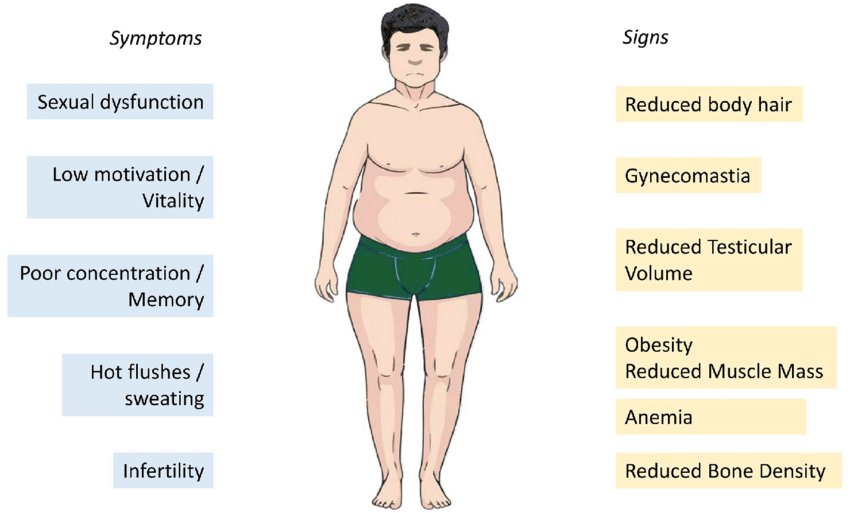
- Decreased libido
- Erectile dysfunction
- Infertility
- Loss of muscle mass
- Fatigue
- Depression
- Hot flashes
In Adult Women:
- Irregular or absent menstrual periods
- Infertility
- Decreased sexual desire
- Vaginal dryness
- Hot flashes
- Osteoporosis (weak bones)
Early diagnosis can help manage these symptoms effectively and prevent complications.
Diagnosing Hypogonadism
To diagnose hypogonadism, healthcare providers typically perform:
- Blood Tests: Measuring hormone levels, particularly testosterone or estrogen, and pituitary hormones like LH (luteinizing hormone) and FSH (follicle-stimulating hormone).
- Imaging Studies: MRI or CT scans of the brain to check for pituitary tumors or abnormalities.
- Semen Analysis: In men, to evaluate fertility issues.
- Genetic Testing: In cases where inherited disorders are suspected.
A complete evaluation helps determine if the cause is primary or secondary, guiding the best treatment strategy.
Treatment Options
Treatment for hypogonadism focuses on restoring hormone levels to normal and alleviating symptoms. Options include:
- Hormone Replacement Therapy (HRT):
- Testosterone therapy for men via injections, patches, gels, or implants.
- Estrogen therapy for women, sometimes combined with progesterone if the uterus is present.
- Fertility Treatments: If fertility is a concern, medications that stimulate the gonads may be prescribed.
- Surgery or Radiation: If tumors are affecting hormone production.
- Lifestyle Changes: Maintaining a healthy weight, managing chronic diseases, and quitting smoking can improve hormone levels.
Regular monitoring is important to avoid side effects such as blood clots, liver problems, or worsening of certain cancers.
Living with Hypogonadism
Living with hypogonadism requires a proactive approach to health. Patients often benefit from:
- Regular medical checkups to adjust hormone therapy.
- Bone density monitoring to prevent osteoporosis.
- Mental health support to manage mood changes and depression.
- Support groups where individuals share experiences and coping strategies.
With the right medical care and lifestyle adjustments, most people with hypogonadism can lead healthy, fulfilling lives.
Conclusion
Hypogonadism is a complex hormonal disorder that can significantly impact physical, emotional, and reproductive health. Early diagnosis and appropriate treatment are essential to managing symptoms and preventing complications. If you or a loved one is experiencing signs of hormonal imbalance, consulting a healthcare provider is the first step toward understanding and managing the condition effectively.
The list of some Hypogonadism medicine:
Estracon
Rozy
Rozy DS
Androcap
Andriol Testocaps