The heart is one of the most vital organs in the human body, responsible for pumping blood throughout the body to supply oxygen and nutrients. For most people, heart function is relatively straightforward, but for some, the heart muscle itself becomes the issue. One such condition that affects the heart’s ability to pump effectively is Hypertrophic Cardiomyopathy (HCM).
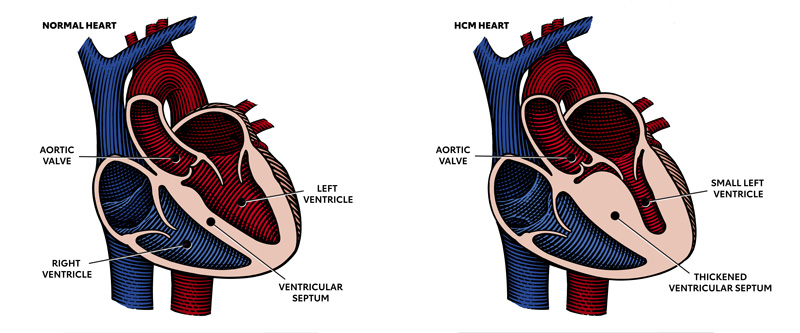
Hypertrophic cardiomyopathy (HCM) is a condition where the heart muscle becomes abnormally thickened, particularly in the left ventricle, which is responsible for pumping oxygen-rich blood to the rest of the body. The thickened heart muscle makes it more difficult for the heart to pump blood efficiently, and in some cases, it can lead to a blockage of blood flow.
HCM is the most common inherited heart condition, often passed down from parent to child. The condition may develop gradually over time, and some individuals might not even realize they have it until later in life. In others, however, it can cause serious issues, including heart failure or sudden cardiac arrest.
Symptoms of Hypertrophic Cardiomyopathy
The symptoms of hypertrophic cardiomyopathy can vary widely from person to person. Some individuals may experience no symptoms at all and live with the condition without ever being diagnosed, while others may have significant symptoms that interfere with daily activities. Common symptoms include:
- Shortness of breath: Difficulty breathing during physical activity or even at rest in severe cases.
- Chest pain: Discomfort or pain in the chest, which can sometimes mimic the sensation of a heart attack.
- Fatigue: A feeling of exhaustion, even after minimal physical exertion.
- Fainting or dizziness: Especially during exercise, as the thickened heart muscle makes it harder for the heart to pump blood.
- Palpitations: Abnormal heart rhythms (arrhythmias) or a racing heartbeat.
- Swelling in the legs and ankles: This can be a sign of heart failure if the heart is unable to pump blood effectively.
Due to the wide range of symptoms, some individuals may not seek medical help until the condition progresses, or until they experience a serious event like fainting or chest pain.
Causes and Risk Factors
Hypertrophic cardiomyopathy is most commonly caused by genetic mutations that affect the heart muscle. The condition is usually inherited in an autosomal dominant pattern, meaning that one copy of the mutated gene is enough to cause the disease. If one parent has the mutation, there is a 50% chance that the child will inherit it.
While genetic mutations are the primary cause of HCM, several factors can increase the likelihood of the condition being more severe:
- Family history of HCM: A strong family history of the disease increases the risk of developing HCM.
- Age: Symptoms often become more noticeable in adulthood, particularly between the ages of 30 and 50.
- Ethnicity: Some ethnic groups, particularly those of African descent, may have a higher prevalence of hypertrophic cardiomyopathy.
In some cases, hypertrophic cardiomyopathy may develop without a clear family history, making genetic testing and family screening essential for those with known cases of the disease.
Diagnosing Hypertrophic Cardiomyopathy
Diagnosing hypertrophic cardiomyopathy typically involves a combination of medical history, physical examination, and diagnostic tests. Some of the most common methods include:
- Echocardiogram: An ultrasound of the heart that can measure the thickness of the heart walls and assess the heart’s function.
- Electrocardiogram (ECG): This test records the electrical activity of the heart and can identify irregular rhythms and abnormalities.
- MRI: Cardiac magnetic resonance imaging can provide detailed images of the heart’s structure, helping to detect thickened heart muscle.
- Genetic Testing: If HCM is suspected to be inherited, genetic testing can identify specific mutations in the genes that affect the heart muscle.
- Stress Test: A test that monitors heart function while the patient exercises to see how the heart responds to increased physical exertion.
Early diagnosis is crucial to managing the condition, as it can allow for timely interventions to prevent complications like heart failure or arrhythmias.
Treatment Options for Hypertrophic Cardiomyopathy
While there is no cure for hypertrophic cardiomyopathy, several treatment options can help manage symptoms and reduce the risk of complications. The treatment plan depends on the severity of the condition and the individual’s symptoms.
1. Medications
- Beta-blockers: These medications help to lower the heart rate and reduce chest pain, as well as improve blood flow.
- Calcium channel blockers: These can help relax the heart muscle and improve blood flow.
- Antiarrhythmic medications: For individuals with abnormal heart rhythms, these drugs help regulate the heart’s rhythm.
2. Lifestyle Modifications
- Regular exercise: Light to moderate physical activity can help improve overall heart health. However, intense exercise should be avoided in individuals with severe HCM.
- Dietary changes: Eating a heart-healthy diet can help manage blood pressure and prevent complications.
3. Surgical Procedures
- Septal Myectomy: This surgical procedure involves removing a portion of the thickened heart muscle (the septum) to improve blood flow.
- Alcohol Septal Ablation: A less invasive procedure that involves injecting alcohol into the artery that supplies the thickened muscle, causing it to shrink.
- Implantable Cardioverter Defibrillator (ICD): In patients at high risk for sudden cardiac arrest, an ICD may be implanted to monitor the heart and deliver shocks if a dangerous arrhythmia is detected.
Living with Hypertrophic Cardiomyopathy
For individuals living with hypertrophic cardiomyopathy, the key to managing the condition is early diagnosis, regular monitoring, and following the prescribed treatment plan. With proper care, most people with HCM can lead active, fulfilling lives. It’s also important for individuals with HCM to regularly follow up with their healthcare providers to monitor the progression of the disease and adjust treatment as needed.
Prognosis and Outlook
The prognosis for individuals with hypertrophic cardiomyopathy can vary widely. Many people with HCM live long, healthy lives with few or no symptoms. However, for some, the condition can lead to complications like heart failure or arrhythmias, which can be life-threatening if not managed appropriately. Early diagnosis, along with appropriate treatment and lifestyle adjustments, can significantly improve the outlook for people with hypertrophic cardiomyopathy.
Conclusion
Hypertrophic cardiomyopathy is a complex and sometimes silent condition that can have serious consequences if left untreated. Recognizing the symptoms and seeking medical attention early can help individuals manage the condition and reduce the risk of complications. If you have a family history of heart disease or experience symptoms like chest pain, dizziness, or shortness of breath, it’s important to speak with a healthcare provider. With proper treatment and monitoring, those affected by hypertrophic cardiomyopathy can continue to lead active and fulfilling lives.
The list of some Hypertrophic Cardiomyopathy medicine:
Camzoy
LuciMava