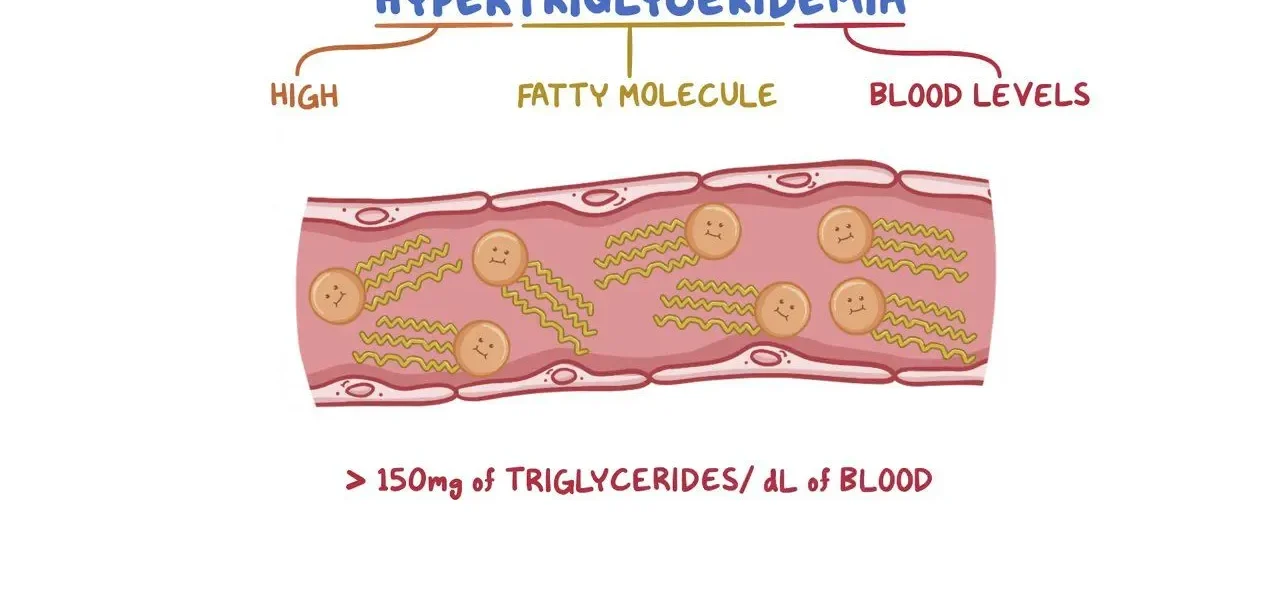
Hypertriglyceridemia refers to an elevated level of triglycerides — a type of fat found in your blood. Triglycerides are essential for storing and providing energy to your body, but when their levels become too high, they can lead to serious health problems, including heart disease and pancreatitis. Though it often doesn’t present with obvious symptoms, managing hypertriglyceridemia is crucial to maintaining overall cardiovascular health.
In this blog, we will explore what hypertriglyceridemia is, its causes, risks, and how it can be managed to reduce health complications.
Triglycerides are a form of fat (lipid) that circulate in your bloodstream and are derived from the food you eat, especially from fats and sugars. When you consume more calories than your body needs, the excess calories are converted into triglycerides and stored in fat cells for future use.
Hypertriglyceridemia occurs when the triglyceride levels in your blood are higher than the normal range. For most adults, a triglyceride level less than 150 milligrams per deciliter (mg/dL) is considered normal. Levels above 150 mg/dL can be classified as:
- Borderline high: 150–199 mg/dL
- High: 200–499 mg/dL
- Very high: 500 mg/dL or higher
Having high triglyceride levels can increase your risk for serious health issues, particularly heart disease and stroke. In severe cases, extremely high levels of triglycerides can also lead to pancreatitis, an inflammation of the pancreas.
Causes of Hypertriglyceridemia
There are many potential causes of hypertriglyceridemia, which can either be due to lifestyle factors or underlying medical conditions. These include:
Lifestyle Factors:
- Poor diet: Eating a diet high in refined carbohydrates, sugary foods, and unhealthy fats (trans fats or saturated fats) can elevate triglyceride levels.
- Excessive alcohol consumption: Drinking large amounts of alcohol can significantly raise triglyceride levels, as alcohol is high in sugar and calories.
- Obesity or overweight: Being overweight or obese, especially with a high percentage of abdominal fat, is associated with higher triglyceride levels.
- Lack of physical activity: A sedentary lifestyle can contribute to elevated triglycerides and overall poor cardiovascular health.
Medical Conditions:
- Type 2 diabetes: Insulin resistance and poor blood sugar control can lead to high triglyceride levels.
- Hypothyroidism: An underactive thyroid can affect lipid metabolism, leading to increased triglycerides.
- Kidney disease (nephrotic syndrome): Kidney disease can cause imbalances in cholesterol and triglyceride levels.
- Genetic disorders: Certain inherited conditions, such as familial hypertriglyceridemia, can predispose individuals to high triglycerides.
- Metabolic syndrome: This cluster of conditions, which includes high blood pressure, high blood sugar, excess belly fat, and abnormal cholesterol levels, can increase the risk of high triglycerides.
Symptoms of Hypertriglyceridemia
In most cases, hypertriglyceridemia doesn’t cause noticeable symptoms, which is why it is often referred to as a “silent” condition. However, extremely high levels of triglycerides (typically above 500 mg/dL) can lead to:
- Pancreatitis: Severe abdominal pain, nausea, vomiting, and fever may occur if triglycerides are elevated to dangerous levels.
- Fatty deposits under the skin: In very high cases, triglyceride-rich deposits called xanthomas can form on the skin, particularly on the hands, elbows, knees, or buttocks.
- Enlarged liver or spleen: In rare cases, very high triglycerides can cause the liver or spleen to enlarge, leading to discomfort or pain.
Regular blood tests are crucial for detecting high triglyceride levels, even when there are no symptoms.
How Hypertriglyceridemia Affects Your Health
If left unchecked, high triglyceride levels can have serious long-term effects on your health:
- Heart disease and stroke: Elevated triglycerides can contribute to the formation of plaque in your arteries (atherosclerosis), increasing the risk of heart attack, stroke, and peripheral artery disease.
- Pancreatitis: Extremely high triglycerides can cause inflammation of the pancreas, a painful and potentially life-threatening condition.
- Metabolic syndrome: High triglycerides are one of the key components of metabolic syndrome, which significantly raises the risk for type 2 diabetes and heart disease.
Managing triglyceride levels is essential for maintaining overall health and reducing the risk of these severe complications.
Diagnosis of Hypertriglyceridemia
Hypertriglyceridemia is diagnosed through a blood test called a lipid panel, which measures various types of fats in your blood, including total cholesterol, LDL (bad cholesterol), HDL (good cholesterol), and triglycerides.
The test is typically done after fasting for at least 8–12 hours to ensure accurate readings. If your triglyceride levels are elevated, your healthcare provider may recommend additional tests or evaluate other risk factors for cardiovascular disease and metabolic syndrome.
Treatment and Management of Hypertriglyceridemia
The goal of treatment is to lower triglyceride levels and reduce the associated risks, particularly heart disease and pancreatitis. Treatment typically involves a combination of lifestyle changes and, in some cases, medication.
Lifestyle Changes:
- Improve your diet: Focus on a heart-healthy diet that includes whole grains, lean proteins, healthy fats (like those found in fish, nuts, and olive oil), and plenty of fruits and vegetables. Limit your intake of refined carbs, sugary foods, and trans fats.
- Exercise regularly: Physical activity, especially aerobic exercise, can help lower triglycerides and improve overall cardiovascular health. Aim for at least 150 minutes of moderate-intensity exercise per week.
- Limit alcohol consumption: Reducing or eliminating alcohol intake can help prevent triglyceride levels from spiking.
- Lose weight: Losing even a small amount of weight can help lower triglyceride levels, especially if you’re overweight or obese.
Medications:
In some cases, lifestyle changes alone may not be sufficient to control high triglyceride levels. Your healthcare provider may prescribe medications such as:
- Fibrates: These medications help reduce triglyceride levels and increase HDL cholesterol.
- Statins: Primarily used to lower LDL cholesterol, statins can also help reduce triglycerides.
- Omega-3 fatty acids: Prescription-strength omega-3 fatty acids can lower triglycerides in individuals with very high levels.
- Niacin: This B-vitamin can lower triglycerides and increase HDL cholesterol, although it is not commonly used due to potential side effects.
Preventing Hypertriglyceridemia
While genetics can play a role, most cases of hypertriglyceridemia can be prevented or managed with healthy lifestyle choices. Focus on:
- Eating a balanced, nutrient-dense diet
- Exercising regularly
- Maintaining a healthy weight
- Avoiding excessive alcohol consumption
- Managing underlying health conditions, such as diabetes or thyroid disorders
Conclusion
Hypertriglyceridemia is a common yet often overlooked condition that can have serious consequences for your health. By understanding the causes, risks, and treatment options for high triglycerides, you can take proactive steps to manage your health and reduce the risk of heart disease, pancreatitis, and other related complications. Regular check-ups, a healthy lifestyle, and, when necessary, medical treatment are key to maintaining healthy triglyceride levels and ensuring long-term well-being.
The list of some Hypertriglyceridemia medicine:
Liposem