Phosphorus is a vital mineral in the body, playing a critical role in bone health, energy production, and the function of cells. However, when phosphorus levels in the blood become too high — a condition known as hyperphosphatemia — it can lead to serious health problems, especially for people with underlying kidney disease.
Understanding hyperphosphatemia is essential for early detection and effective management, particularly because its complications can be life-threatening if left untreated.
Hyperphosphatemia occurs when the concentration of phosphate in the blood rises above the normal range. In healthy individuals, the kidneys help maintain a balance by excreting excess phosphate through urine. However, when kidney function is impaired or when other factors disrupt phosphate regulation, levels can build up dangerously.
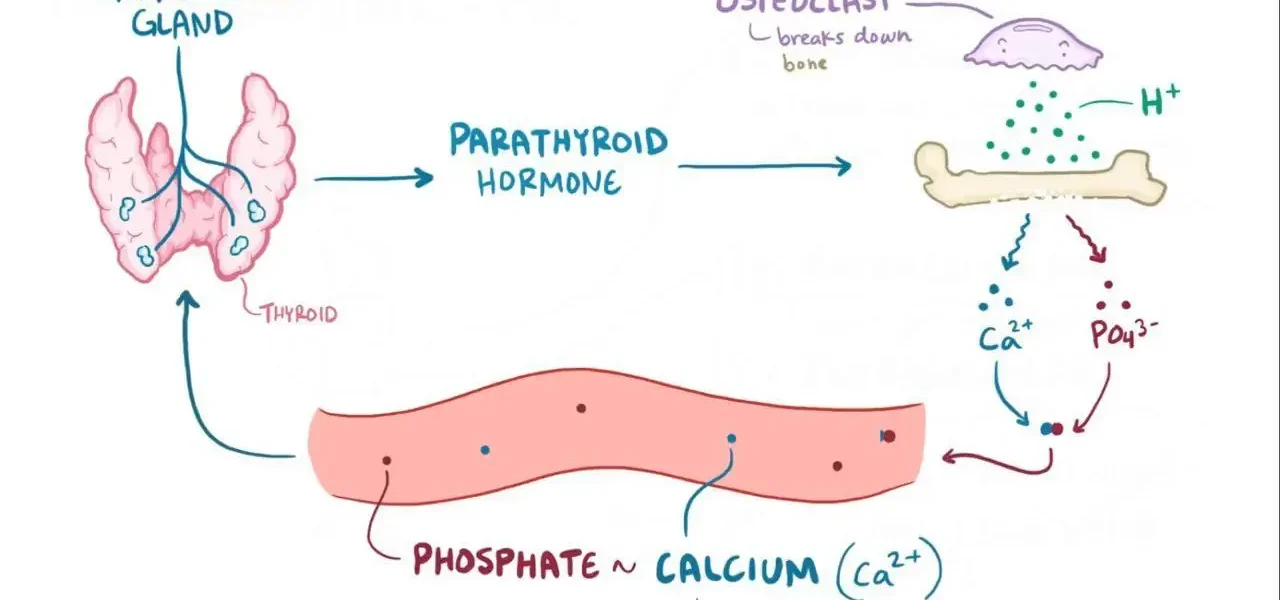
This imbalance can cause calcium and phosphate to bind together and form deposits in the tissues, including the heart, blood vessels, skin, and joints, leading to serious complications like vascular calcification and cardiovascular disease.
Causes of Hyperphosphatemia
Several conditions and lifestyle factors can lead to hyperphosphatemia, including:
- Chronic Kidney Disease (CKD): The most common cause, as damaged kidneys cannot efficiently remove phosphate.
- Excessive Phosphate Intake: Consuming too much phosphate through diet or supplements, particularly in the form of processed foods and soft drinks.
- Hypoparathyroidism: Low parathyroid hormone levels reduce the kidneys’ ability to excrete phosphate.
- Tumor Lysis Syndrome: When cancer cells die rapidly during treatment, they release large amounts of phosphate into the bloodstream.
- Acidosis: Certain forms of metabolic acidosis can cause phosphate to shift from inside cells into the blood.
- Vitamin D Toxicity: Excess vitamin D increases phosphate absorption from the intestines.
Identifying the underlying cause is crucial for choosing the right treatment strategy.
Symptoms of Hyperphosphatemia
In many cases, mild hyperphosphatemia does not produce obvious symptoms. However, as phosphate levels rise, symptoms may include:
- Muscle cramps and spasms
- Joint pain
- Itchy skin (pruritus)
- Weakness
- Nausea and vomiting
- Numbness or tingling
- Confusion or altered mental status (in severe cases)
Over time, the accumulation of calcium-phosphate deposits in the body can cause more severe complications, including heart disease and bone disorders.
Diagnosis
Hyperphosphatemia is typically diagnosed through blood tests that measure serum phosphate levels. Additional tests may be needed to determine the cause, such as:
- Kidney function tests (creatinine, blood urea nitrogen)
- Calcium and parathyroid hormone levels
- Vitamin D levels
- Imaging studies if there is concern for tissue calcification
Routine monitoring is especially important for individuals with known kidney problems or other risk factors.
Treatment and Management
Managing hyperphosphatemia involves both lowering phosphate levels and addressing the underlying cause. Treatment options may include:
- Dietary Changes: Reducing intake of foods high in phosphorus, such as dairy products, processed foods, nuts, and colas.
- Phosphate Binders: Medications that bind phosphate in the intestines and prevent its absorption. These are often prescribed to patients with kidney disease.
- Dialysis: For patients with advanced kidney failure, dialysis helps remove excess phosphate from the blood.
- Managing Underlying Conditions: Correcting hormone imbalances, adjusting medications, or treating underlying cancer if tumor lysis syndrome is present.
Close collaboration with healthcare providers, including nephrologists and dietitians, ensures a comprehensive approach to treatment.
Preventing Hyperphosphatemia
Prevention strategies focus largely on people who are at higher risk, such as those with CKD. These steps include:
- Regular monitoring of blood phosphate levels
- Following a kidney-friendly diet
- Using phosphate binders as prescribed
- Staying informed about hidden sources of phosphate in processed foods
Early education and proactive management can make a significant difference in preventing complications.
Conclusion
Hyperphosphatemia is a serious electrolyte imbalance that requires careful attention, particularly in individuals with chronic kidney disease. While it may not always present symptoms early on, the long-term effects of uncontrolled phosphate levels can be devastating. With early diagnosis, lifestyle adjustments, and appropriate medical care, it is possible to manage hyperphosphatemia effectively and protect overall health.
The list of some Hyperphosphatemia medicine: