Hypercholesterolaemia is a medical term that refers to having high levels of cholesterol in the blood. Cholesterol is a waxy, fat-like substance that is essential for building healthy cells. However, when cholesterol levels become too high, it can lead to serious health issues, particularly heart disease.
Managing cholesterol is important because it often builds up silently over time, narrowing blood vessels and increasing the risk of heart attacks and strokes.
What Is Cholesterol?
Cholesterol is carried in the bloodstream by two types of lipoproteins:
- Low-Density Lipoprotein (LDL): Often called “bad” cholesterol because high levels can lead to plaque buildup in arteries.
- High-Density Lipoprotein (HDL): Known as “good” cholesterol because it helps remove LDL cholesterol from the bloodstream.
When LDL levels are too high or HDL levels are too low, the risk of cardiovascular diseases increases significantly.
Causes of Hypercholesterolaemia
Several factors can contribute to elevated cholesterol levels, including:
- Diet: Consuming foods high in saturated fats, trans fats, and cholesterol can raise LDL levels.
- Genetics: Familial hypercholesterolaemia is an inherited condition that leads to extremely high cholesterol levels from a young age.
- Lifestyle factors: Lack of physical activity, smoking, and excessive alcohol intake can contribute to poor cholesterol balance.
- Medical conditions: Diseases such as diabetes, hypothyroidism, and kidney disorders can raise cholesterol levels.
- Age and Gender: Cholesterol levels tend to rise with age. Before menopause, women generally have lower total cholesterol levels than men of the same age, but after menopause, women’s LDL cholesterol often increases.
Symptoms
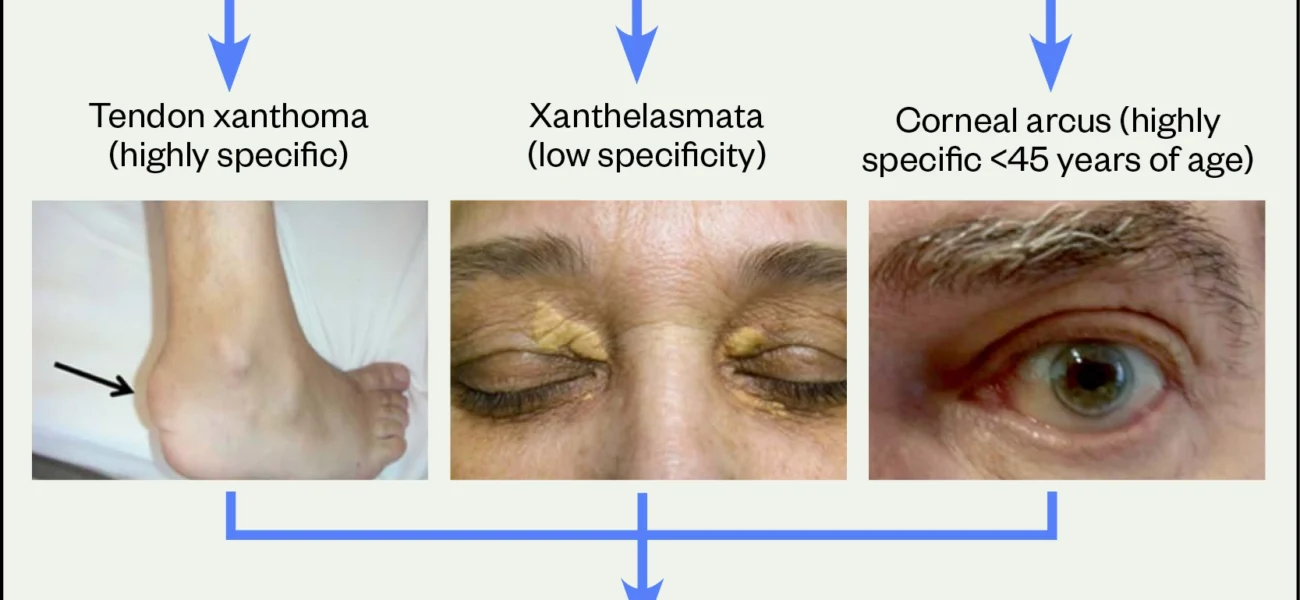
Hypercholesterolaemia itself usually does not cause any symptoms. Most people are unaware they have it until a serious event occurs, such as a heart attack or stroke. In rare cases, extremely high cholesterol levels can cause physical signs, including:
- Fatty deposits under the skin (xanthomas)
- White or gray rings around the corneas of the eyes (arcus senilis)
Because it is often silent, regular cholesterol screening is crucial.
Health Risks Associated with High Cholesterol
Unchecked high cholesterol can lead to:
- Atherosclerosis: Hardening and narrowing of the arteries.
- Heart disease: Increased risk of heart attacks due to blocked blood vessels.
- Stroke: Caused by reduced or blocked blood flow to the brain.
- Peripheral artery disease: Reduced blood flow to limbs, causing pain and mobility issues.
Diagnosis
A simple blood test called a lipid panel measures cholesterol levels. The test usually checks:
- Total cholesterol
- LDL (“bad”) cholesterol
- HDL (“good”) cholesterol
- Triglycerides (another type of fat in the blood)
Doctors recommend regular screening starting in early adulthood, with more frequent tests if you have risk factors such as family history or other health conditions.
Treatment and Management
Managing hypercholesterolaemia often involves lifestyle changes and, in some cases, medications.
Lifestyle Changes
- Healthy Eating: Focus on a diet rich in fruits, vegetables, whole grains, and lean proteins. Limit saturated fats, trans fats, and processed foods.
- Exercise: Engage in at least 30 minutes of moderate to vigorous exercise most days of the week.
- Weight Management: Losing excess weight can help lower LDL levels and raise HDL levels.
- Quitting Smoking: Improves HDL cholesterol and overall heart health.
- Limiting Alcohol: Drinking in moderation or avoiding alcohol altogether can positively affect cholesterol levels.
Medications
If lifestyle changes are not enough, doctors may prescribe medications, such as:
- Statins: Reduce LDL production in the liver.
- Ezetimibe: Limits the absorption of cholesterol from food.
- PCSK9 inhibitors: Newer injectable drugs that lower LDL significantly.
- Bile acid sequestrants: Help remove cholesterol from the body.
- Fibrates and niacin: Target triglycerides and can help raise HDL.
The choice of medication depends on the individual’s risk factors, cholesterol levels, and overall health profile.
Prevention
Although genetics play a role, many cases of hypercholesterolaemia can be prevented through:
- Maintaining a healthy diet and regular exercise routine.
- Avoiding tobacco products.
- Managing weight.
- Regularly monitoring cholesterol levels.
Early prevention efforts can significantly reduce the risk of developing cardiovascular diseases later in life.
Final Thoughts Hypercholesterolaemia is a major but often silent health issue that increases the risk of heart disease and stroke. Fortunately, with regular monitoring, a healthy lifestyle, and appropriate treatments, it is a manageable condition. Staying proactive about your heart health today can lead to a healthier, longer life tomorrow.
The list of some Hypercholesterolaemia medicine: