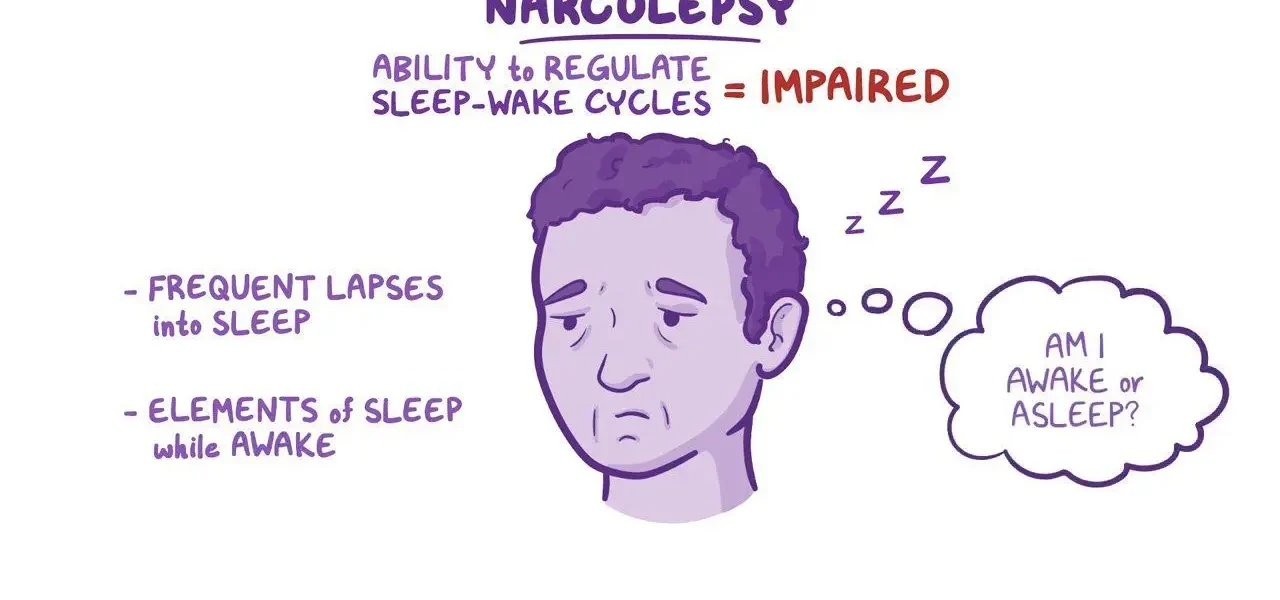
When we think about sleep problems, insomnia or sleep apnea usually come to mind first. However, narcolepsy is another serious sleep disorder that deserves attention. Often portrayed inaccurately in movies and media, narcolepsy is much more complex than simply “falling asleep suddenly.” It affects the brain’s ability to regulate sleep-wake cycles, impacting a person’s daily life in profound ways.
Narcolepsy is a chronic neurological disorder that affects the way the brain controls sleep and wakefulness. People with narcolepsy often feel extremely tired during the day and may experience sudden bouts of sleep, even in the middle of activities like talking, eating, or driving. These sleep attacks can be dangerous and disruptive, making it difficult to maintain a normal daily routine.
There are two main types of narcolepsy:
- Type 1 Narcolepsy (with cataplexy): This type involves sudden muscle weakness triggered by strong emotions, such as laughter, anger, or surprise.
- Type 2 Narcolepsy (without cataplexy): People with this form experience excessive daytime sleepiness but do not have episodes of muscle weakness.
Common Symptoms of Narcolepsy
While excessive daytime sleepiness is the hallmark symptom, narcolepsy can also present with a range of other signs:
- Cataplexy: Sudden loss of muscle control, often triggered by intense emotions.
- Sleep paralysis: A temporary inability to move or speak while falling asleep or waking up.
- Hallucinations: Vivid and often frightening dream-like experiences while falling asleep or waking.
- Disrupted nighttime sleep: Paradoxically, people with narcolepsy often struggle with fragmented nighttime sleep, waking up frequently during the night.
What Causes Narcolepsy?
Researchers believe that narcolepsy may be caused by the loss of a chemical in the brain called hypocretin, which helps regulate wakefulness. This loss is thought to be related to an autoimmune response in some cases. Genetics can also play a role, although most people with narcolepsy do not have a family history of the disorder.
Other possible contributing factors include brain injuries, infections, and environmental triggers, although these are less common.
Diagnosing Narcolepsy
Diagnosing narcolepsy can be challenging because its symptoms overlap with many other conditions, such as depression, epilepsy, and other sleep disorders. Doctors usually begin with a detailed medical history and sleep diary. Two specialized tests often follow:
- Polysomnography: An overnight sleep study that records brain waves, oxygen levels, heart rate, and breathing.
- Multiple Sleep Latency Test (MSLT): Measures how quickly a person falls asleep in a quiet environment during the day.
Accurate diagnosis is essential to distinguish narcolepsy from other health issues and to create an effective treatment plan.
Treatment Options
While there is currently no cure for narcolepsy, treatment focuses on managing symptoms and improving quality of life. Options may include:
- Medications: Stimulants to improve daytime alertness, antidepressants to manage cataplexy, and sodium oxybate to improve nighttime sleep.
- Lifestyle Adjustments: Scheduled naps, maintaining a consistent sleep schedule, avoiding alcohol and caffeine before bed, and practicing good sleep hygiene can all help manage symptoms.
Behavioral counseling and support groups can also be incredibly valuable, offering coping strategies and emotional support.
Living with Narcolepsy
Living with narcolepsy requires resilience and careful planning. People with the disorder often face challenges in education, work, and relationships. However, with proper treatment, many individuals lead successful and fulfilling lives. Public understanding and accommodations, such as flexible work hours or designated rest periods, can make a significant difference.
Breaking Misconceptions
Narcolepsy is often misunderstood as laziness or a lack of motivation. In reality, it is a serious medical condition that demands compassion, patience, and proper care. Raising awareness about the true nature of narcolepsy can help reduce stigma and encourage those affected to seek the support they need.
Conclusion
Narcolepsy is more than just being sleepy—it is a life-altering condition that requires a combination of medical treatment, lifestyle adjustments, and social support. By learning more about narcolepsy, we take a step toward a world where those living with it are better understood, supported, and empowered to live their best lives.
The list of some Narcolepsy medicine:
Methyphen