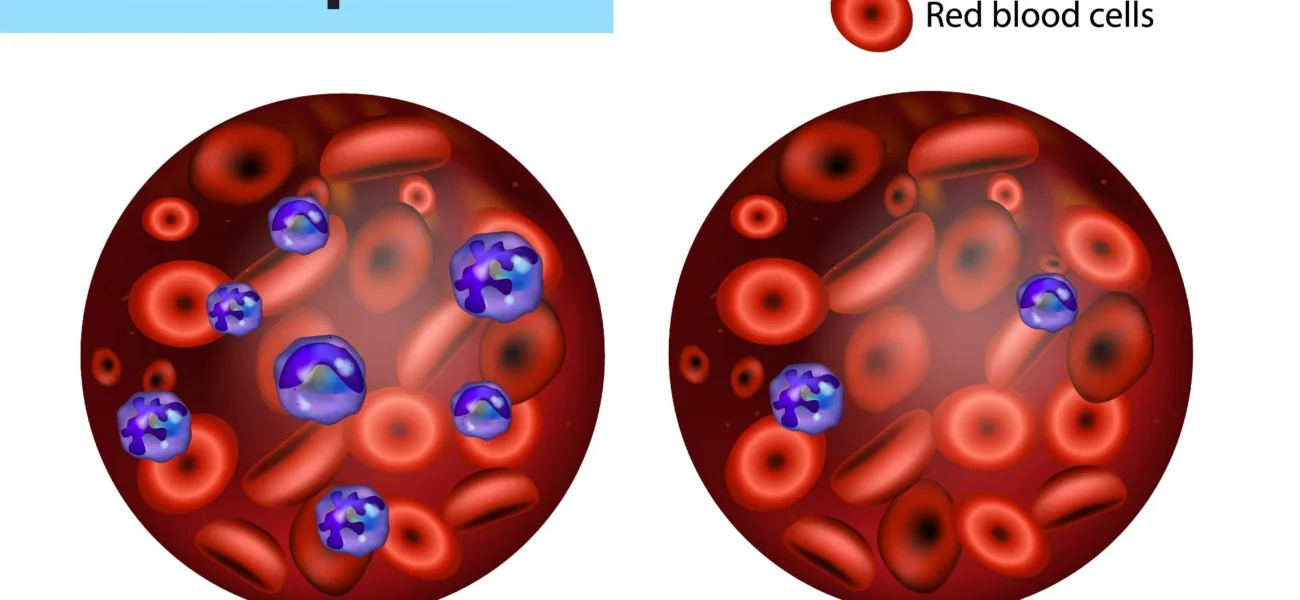
Neutropenia is a medical condition characterized by an unusually low level of neutrophils — a type of white blood cell crucial for fighting off infections. Since neutrophils are the body’s first line of defense against bacteria and fungi, their shortage leaves individuals highly vulnerable to infections. While neutropenia itself may not cause symptoms, its consequences can be serious, especially if infections are not promptly recognized and treated.
Neutrophils make up about 55-70% of the total white blood cells in the body and are vital for a healthy immune response. Neutropenia occurs when the neutrophil count falls below the normal range. The severity can vary:
- Mild neutropenia: Slightly below normal levels.
- Moderate neutropenia: Greater reduction in neutrophils, increasing infection risk.
- Severe neutropenia: Very low levels, often requiring urgent medical care.
Neutropenia can be a temporary response to an illness or a long-term condition associated with chronic diseases, medications, or genetic factors.
Causes of Neutropenia
There are many potential causes of neutropenia, including:
- Infections: Viral infections like influenza, hepatitis, or HIV can temporarily suppress neutrophil production.
- Medications: Certain drugs, especially chemotherapy, antibiotics, and antipsychotics, can damage bone marrow or inhibit neutrophil production.
- Bone marrow disorders: Diseases like leukemia, myelodysplastic syndromes, and aplastic anemia affect bone marrow function.
- Autoimmune diseases: Conditions such as lupus or rheumatoid arthritis may lead to immune-mediated destruction of neutrophils.
- Congenital disorders: Some individuals are born with conditions that affect neutrophil production, such as severe congenital neutropenia.
Radiation therapy, malnutrition, and vitamin deficiencies (especially B12 or folate) can also contribute to the development of neutropenia.
Symptoms of Neutropenia
Neutropenia itself does not usually cause symptoms. Instead, individuals are more likely to notice symptoms related to infections, which can develop rapidly and become severe:
- Fever and chills
- Sore throat
- Mouth ulcers
- Skin infections (redness, swelling, warmth)
- Diarrhea or abdominal pain
- Respiratory symptoms like cough or shortness of breath
Because neutropenic individuals might not show the typical signs of infection (like pus formation), any fever in someone with known neutropenia is considered a medical emergency.
Diagnosing Neutropenia
Neutropenia is typically diagnosed through:
- Complete blood count (CBC): A simple blood test measuring the number of neutrophils.
- Bone marrow biopsy: In cases where the underlying cause is unclear or a serious bone marrow disorder is suspected.
Further tests might be needed to identify infections or to uncover the root cause of the neutrophil deficiency.
Treatment for Neutropenia
Treatment depends on the cause and severity of the neutropenia:
- Treating underlying conditions: For example, controlling an autoimmune disease or adjusting medication doses.
- Growth factors: Medications like granulocyte colony-stimulating factor (G-CSF) can stimulate bone marrow to produce more neutrophils, especially important during chemotherapy.
- Antibiotics or antifungals: Used prophylactically or immediately if an infection is suspected.
- Hospital care: Severe neutropenia with infection often requires hospitalization for intravenous antibiotics and close monitoring.
In cases of chronic or congenital neutropenia, long-term management strategies are necessary to prevent repeated infections.
Preventing Infections in Neutropenia
People with neutropenia must take extra precautions to avoid infections:
- Practice meticulous hand hygiene.
- Avoid crowded places and close contact with sick individuals.
- Maintain good oral hygiene to prevent mouth infections.
- Stay away from raw or undercooked foods that could carry bacteria.
- Clean and care for any cuts or wounds immediately.
- Regularly monitor temperature and seek medical care for any signs of infection.
Vaccinations, where appropriate, may also help protect against certain infections, although some vaccines might be avoided during periods of severe neutropenia.
Conclusion
Neutropenia is a condition that weakens the body’s ability to fight infections, making prompt recognition and management crucial. While it can arise from a variety of causes — from chemotherapy to chronic illness — understanding the risks and implementing preventive measures can greatly reduce complications. With careful medical care and attention to infection prevention, individuals living with neutropenia can lead healthier, safer lives.
The list of some Neutropenia medicine:
Neupomax
Filgrast
Filastin
Filgram
TEVAGRASTIM
NEUPOGEN