In the intricate network of hormones that regulate our body’s functions, hydrocortisone plays a quiet but vital role. Often referred to as a “stress hormone,” hydrocortisone is actually the pharmaceutical form of cortisol, a steroid hormone naturally produced by the adrenal glands. Whether used topically, orally, or by injection, this powerful agent is a cornerstone of treatment for a wide range of conditions—from skin rashes to adrenal insufficiency.
Understanding hydrocortisone, how it works, and its many medical applications can help patients use it more safely and effectively.
Hydrocortisone is a glucocorticoid, a type of corticosteroid that regulates metabolism and helps the body respond to stress. It mimics cortisol, the hormone the adrenal glands release during physical or emotional stress. In medicine, hydrocortisone is used both as a replacement hormone in individuals who can’t produce enough cortisol and as a treatment for inflammation, allergies, and immune-related conditions.
Available in many forms—creams, tablets, injections, and suppositories—hydrocortisone is one of the most commonly prescribed steroids due to its effectiveness and versatility.
Medical Uses of Hydrocortisone
Hydrocortisone’s ability to reduce inflammation and suppress immune responses makes it useful for a broad range of health conditions:
• Skin Conditions
Topical hydrocortisone is widely used for:
- Eczema
- Psoriasis
- Dermatitis
- Allergic rashes
- Insect bites
• Adrenal Insufficiency
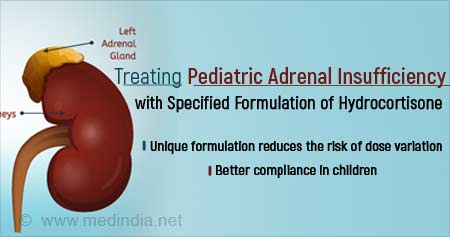
In conditions such as Addison’s disease, where the adrenal glands don’t produce enough cortisol, hydrocortisone tablets are prescribed to replace the missing hormone.
• Allergic Reactions
Hydrocortisone helps treat severe allergies or immune reactions, especially when symptoms don’t respond to antihistamines alone.
• Autoimmune and Inflammatory Disorders
It is used in diseases like:
- Rheumatoid arthritis
- Lupus
- Ulcerative colitis
- Asthma (as an injectable or oral form)
How Does Hydrocortisone Work?
Hydrocortisone works by:
- Suppressing the activity of the immune system
- Reducing the production of inflammatory substances
- Decreasing the swelling, redness, and pain associated with inflammation
By blocking the body’s natural inflammatory response, hydrocortisone offers relief from many painful or uncomfortable symptoms.
Risk Factors and Considerations
While hydrocortisone is highly effective, it’s not without risks—especially when used for extended periods or at high doses. Possible side effects include:
- Skin thinning and bruising (with long-term topical use)
- Weight gain and fluid retention
- Elevated blood pressure
- Increased blood sugar levels
- Mood swings or insomnia
- Weakened immune function
- Osteoporosis (with prolonged oral use)
Those with diabetes, hypertension, or a history of infections should use hydrocortisone with extra caution.
Signs of Overuse or Misuse
It’s important to be aware of signs that hydrocortisone may be causing problems, such as:
- Persistent fatigue
- Easy bruising or slow wound healing
- Muscle weakness
- Unexplained mood changes
- Signs of infection (fever, sore throat, etc.)
These symptoms may indicate a need for dose adjustment or a switch in treatment strategy.
Administration and Dosage
Hydrocortisone is available in various forms, and the route of administration depends on the condition being treated:
- Topical creams (0.5%–2.5%) are used for minor skin irritations.
- Oral tablets are used for hormonal replacement or systemic inflammation.
- Injections are reserved for emergency or hospital-based care.
- Rectal forms are sometimes used for inflammatory bowel conditions.
Always use the lowest effective dose for the shortest possible time to reduce the risk of side effects.
Prevention and Safe Use
To use hydrocortisone safely and effectively:
- Follow your healthcare provider’s instructions closely.
- Avoid applying topical forms on broken or infected skin unless directed.
- Do not stop oral hydrocortisone abruptly—gradual tapering is needed to avoid withdrawal symptoms.
- Inform your doctor of all medications and supplements you’re taking to prevent interactions.
Conclusion
Hydrocortisone is a powerful and essential medication that has helped countless patients manage everything from minor rashes to life-threatening adrenal disorders. Though it offers relief and hormone balance, its strength must be respected. Used wisely, hydrocortisone can provide significant health benefits. But like all medications, it works best when used under proper medical supervision. Understanding its purpose, risks, and best practices ensures that this hormone helper remains a friend—not a foe—in your healthcare journey.
The list of some Hydrocortisone medicine: