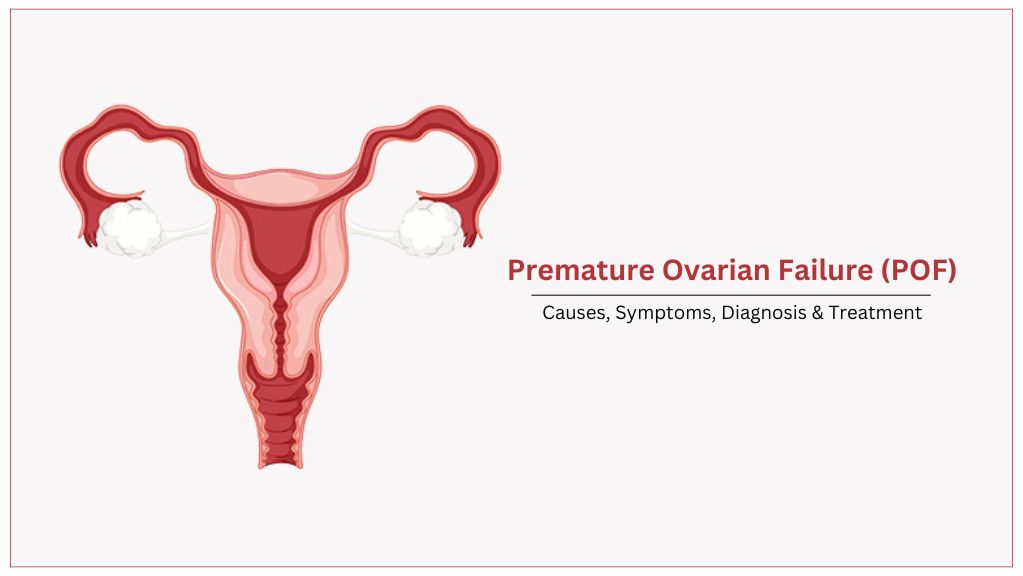
Primary ovarian failure (POF), also known as primary ovarian insufficiency (POI), is a condition where a woman’s ovaries stop functioning normally before the age of 40. This disorder can lead to infertility, hormonal imbalances, and significant emotional challenges. Although often associated with early menopause, primary ovarian failure is a distinct condition that requires specific understanding and care.
In a healthy reproductive system, the ovaries produce eggs and release hormones like estrogen and progesterone. In primary ovarian failure, the ovaries either stop releasing eggs regularly or produce very low levels of reproductive hormones. Women with POF may experience irregular periods, reduced fertility, and symptoms similar to menopause. However, unlike menopause, ovarian activity in POF can sometimes fluctuate, and some women may even conceive spontaneously.
Causes of Primary Ovarian Failure
The exact cause of POF is often unclear, but several factors are known to contribute:
- Genetic Factors: Certain genetic disorders, such as Turner syndrome or Fragile X syndrome, are linked to ovarian insufficiency.
- Autoimmune Diseases: In some cases, the immune system mistakenly attacks ovarian tissue, disrupting normal function.
- Chemotherapy and Radiation: Cancer treatments can damage the ovaries, leading to early failure.
- Surgical Removal: Removal of the ovaries for medical reasons naturally causes primary ovarian failure.
- Infections: Rarely, infections like mumps can affect ovarian health.
- Idiopathic: In many cases, no specific cause is found.
Symptoms of Primary Ovarian Failure
Symptoms of POF often mimic those of menopause and can include:
- Irregular or skipped menstrual periods
- Hot flashes
- Night sweats
- Vaginal dryness
- Difficulty concentrating
- Mood swings or depression
- Decreased sexual desire
Infertility is often the most distressing symptom for many women diagnosed with this condition.
Diagnosis
Diagnosing primary ovarian failure typically involves:
- Medical History and Physical Exam: A doctor will review menstrual history and check for signs of hormone deficiency.
- Blood Tests: Levels of follicle-stimulating hormone (FSH) and estradiol (a form of estrogen) are measured. High FSH and low estradiol levels can suggest ovarian failure.
- Genetic Testing: May be recommended if a hereditary cause is suspected.
- Pelvic Ultrasound: This can assess ovarian size and the presence of follicles.
Treatment and Management
While there is currently no cure for POF, several strategies can help manage symptoms and improve quality of life:
Hormone Replacement Therapy (HRT)
Replacing estrogen and progesterone can help relieve symptoms like hot flashes and protect against long-term risks such as osteoporosis and heart disease.
Fertility Options
Although natural conception is less likely, assisted reproductive technologies offer hope. Options include:
- Egg Donation: A common and successful option for women who wish to carry a pregnancy.
- Embryo Adoption: Another possibility for building a family.
Emotional Support
A diagnosis of primary ovarian failure can be emotionally overwhelming. Psychological counseling, support groups, and open communication with healthcare providers are crucial for emotional well-being.
Healthy Lifestyle
Maintaining a healthy diet, exercising regularly, avoiding smoking, and managing stress can also contribute positively to overall health and symptom management.
Conclusion
Primary ovarian failure is a complex and challenging condition, but it does not define a woman’s entire health or future. Early diagnosis, effective symptom management, and emotional support can make a significant difference in living a fulfilling life. Continued research offers hope for better treatments and fertility options in the future, bringing new opportunities for women affected by POF.
The list of some Ovarian Failure medicine:
Estracon
Rozy
Rozy DS