Hot flashes are one of the most common and recognizable symptoms associated with menopause. For many women, they can be sudden, intense, and sometimes disruptive. Although hot flashes are a natural part of aging, they can affect daily activities, sleep quality, and overall well-being. Understanding what causes them, recognizing their patterns, and exploring ways to manage them can help make this phase of life more comfortable.
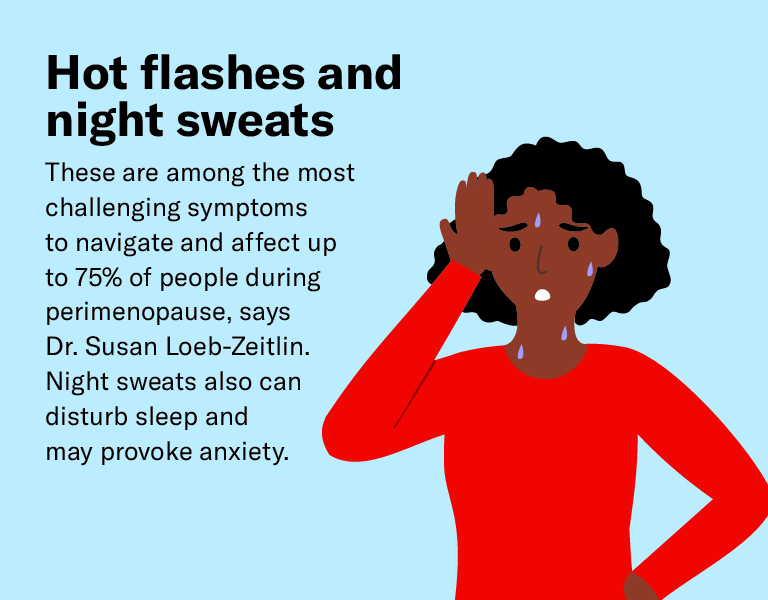
A hot flash is a sudden feeling of intense warmth, usually concentrated in the face, neck, and chest. It may be accompanied by sweating, a rapid heartbeat, and reddening of the skin. After the hot flash, some women feel chilled as their body temperature returns to normal. Hot flashes can occur during the day or at night (known as night sweats), often disrupting sleep.
While they are most closely linked to menopause, hot flashes can also occur for other reasons, including certain medical treatments or conditions.
Causes of Hot Flashes
The exact cause of hot flashes isn’t fully understood, but they are primarily related to changes in the body’s thermoregulatory system — the mechanism that controls body temperature. As estrogen levels drop during menopause, the body’s ability to regulate temperature becomes more sensitive, triggering hot flashes even without a true rise in body temperature.
Other factors that may contribute to hot flashes include:
- Lifestyle Factors: Spicy foods, caffeine, alcohol, smoking, and stress can all trigger or worsen hot flashes.
- Medical Conditions: Thyroid problems, infections, or certain cancers can sometimes cause hot flashes.
- Medications: Some drugs, especially hormone treatments and antidepressants, may list hot flashes as a side effect.
Symptoms of Hot Flashes
The experience of hot flashes varies from woman to woman, but common features include:
- Sudden feeling of heat spreading through the upper body
- Flushing or redness, particularly on the face and neck
- Profuse sweating, especially at night
- Chills following the heat episode
- Occasional feelings of anxiety or rapid heartbeat
Hot flashes can last anywhere from a few seconds to several minutes. Some women experience them a few times a week, while others might have them multiple times a day.
Managing and Treating Hot Flashes
Although hot flashes can be bothersome, there are many ways to manage them effectively:
Lifestyle Changes
- Dress in Layers: Wearing light, breathable clothing can help you adjust quickly when a hot flash strikes.
- Stay Cool: Keep your living spaces cool and use fans or air conditioning as needed.
- Avoid Triggers: Identify and avoid personal triggers such as spicy foods, alcohol, or stress.
- Practice Relaxation Techniques: Yoga, meditation, and deep-breathing exercises can reduce the frequency and severity of hot flashes.
Medical Treatments
For women whose hot flashes are severe and interfere with daily life, medical treatments may be considered:
- Hormone Replacement Therapy (HRT): Estrogen therapy can be highly effective in reducing hot flashes but carries some risks, so it’s important to discuss options thoroughly with a healthcare provider.
- Non-Hormonal Medications: Certain antidepressants, blood pressure medications, and anti-seizure drugs have been found to reduce hot flashes.
- Natural Remedies: Some women find relief using herbal supplements like black cohosh or soy-based products, although scientific evidence on their effectiveness is mixed. Always consult a doctor before starting supplements.
When to See a Doctor
If hot flashes are frequent, severe, or significantly affecting your sleep or daily activities, it’s wise to consult a healthcare professional. In some cases, hot flashes can be a symptom of another health issue that needs attention.
Conclusion
Hot flashes are a normal part of the menopausal transition, but they don’t have to take over your life. With the right strategies — from lifestyle adjustments to medical support — most women can find relief and maintain their comfort and confidence. Awareness, preparation, and personalized care are the keys to navigating this common, but manageable, experience.
The list of some Hot Flashes medicine: