Pancreatic cancer has earned a reputation as one of the most challenging cancers to detect and treat. Often progressing with minimal symptoms until it’s advanced, it’s sometimes called the “silent killer.” Despite accounting for a smaller percentage of cancer diagnoses, pancreatic cancer is responsible for a disproportionately high number of cancer-related deaths worldwide.
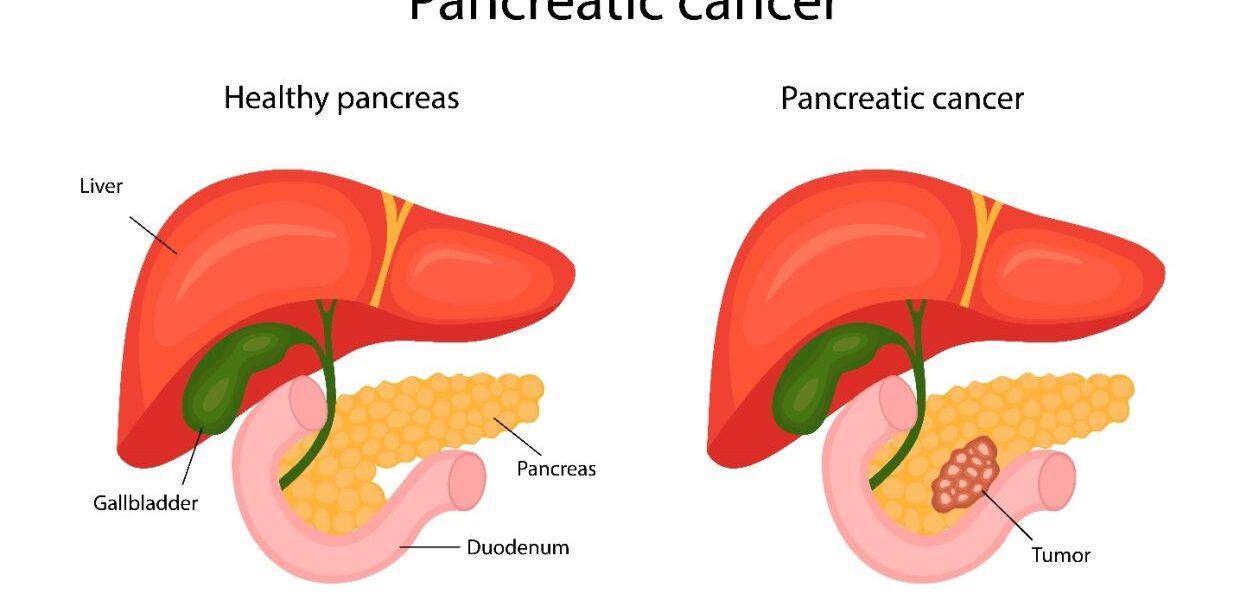
Pancreatic cancer begins in the tissues of the pancreas—a gland located behind the stomach that plays a vital role in digestion and blood sugar regulation. The most common type is pancreatic ductal adenocarcinoma, which arises from the cells lining the ducts of the pancreas.
There are also less common types, including:
- Neuroendocrine tumors, which originate in the hormone-producing cells
- Cystic tumors, which may be benign or malignant
Why is Pancreatic Cancer So Dangerous?
Several factors contribute to the lethality of pancreatic cancer:
- Late Diagnosis: The pancreas is deep within the abdomen, making early tumors hard to detect during routine exams.
- Subtle Symptoms: Early-stage symptoms—such as fatigue, back pain, or slight digestive discomfort—are often mistaken for more common issues.
- Aggressive Growth: Pancreatic tumors tend to grow quickly and are more likely to spread to nearby organs early in the disease process.
- Limited Treatment Options: By the time it’s diagnosed, surgery—currently the only potential cure—is no longer viable for most patients.
Recognizing the Signs and Symptoms
Early detection can be life-saving, but the signs are often vague. Some symptoms to watch for include:
- Unexplained weight loss
- Persistent abdominal or back pain
- Loss of appetite
- Jaundice (yellowing of the skin and eyes)
- Dark urine or pale stools
- New-onset diabetes or worsening of existing diabetes
These symptoms are not exclusive to pancreatic cancer, but persistent or unusual symptoms should prompt medical attention.
Risk Factors
While the exact cause of pancreatic cancer is often unknown, several factors increase the risk:
- Age: Most cases occur in people over 60
- Smoking: Smokers are significantly more likely to develop pancreatic cancer
- Family History: Genetic predispositions can play a role
- Chronic Pancreatitis: Long-term inflammation of the pancreas
- Obesity and Poor Diet: These contribute to many chronic illnesses, including cancers
- Type 2 Diabetes: Especially if it’s recent-onset or worsening
Diagnosis and Staging
Diagnosing pancreatic cancer typically involves imaging tests such as CT scans, MRIs, and endoscopic ultrasounds. A biopsy confirms the diagnosis. Once detected, staging determines how far the cancer has spread and guides treatment options.
Staging ranges from:
- Stage I: Localized to the pancreas
- Stage II-III: Spread to nearby tissues or lymph nodes
- Stage IV: Distant metastasis (e.g., to the liver or lungs)
Treatment Options
Treatment depends on the stage and the patient’s overall health. Options include:
- Surgery: The Whipple procedure (pancreaticoduodenectomy) is the most common and complex surgical option, often followed by chemotherapy or radiation.
- Chemotherapy: Often used before or after surgery, or as a primary treatment when surgery isn’t possible.
- Radiation Therapy: Targets and shrinks tumors, often used in combination with other treatments.
- Targeted Therapies and Immunotherapy: Emerging options that aim to disrupt specific cancer cell pathways or enhance the body’s immune response.
Living with Pancreatic Cancer
A diagnosis of pancreatic cancer can be overwhelming, but support networks, palliative care, and new treatment advances offer hope and improved quality of life. Nutrition, pain management, and emotional support are key components of care.
Hope Through Research
Though the survival rate for pancreatic cancer remains low, ongoing research is bringing new optimism. Scientists are exploring better biomarkers for early detection, more effective drug combinations, and personalized medicine approaches.
Organizations and advocacy groups continue to push for more funding and awareness, helping turn the tide against this formidable disease.
Conclusion
Pancreatic cancer may be one of the deadliest forms of cancer, but awareness and early detection can make a profound difference. If you or someone you know is at risk or showing symptoms, don’t hesitate to seek medical advice.
The list of some Pancreatic Cancer medicine:
LuciSuni
LuciErlo
Erlocip
Lucibelzu
Welidx
Gemoxen
LuciAnam
Gemtor
Capixet
Adlumiz
Capcitab
TARCEVA
Gemful
Gemko
Gemsibin
Gemtu
Xeltabin