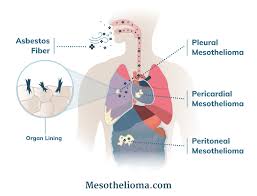
Mesothelioma is a rare, aggressive form of cancer that develops in the mesothelium — a thin layer of tissue covering most internal organs. It most commonly affects the lining of the lungs (pleura) but can also occur in the abdomen (peritoneum), heart (pericardium), or testicles (tunica vaginalis).
This cancer is strongly linked to asbestos exposure and is known for its long latency period, often taking decades to develop after initial contact with asbestos fibers.
Causes and Risk Factors
The primary cause of mesothelioma is asbestos exposure. Asbestos is a group of minerals once widely used in construction, insulation, and other industries for their heat-resistant properties. When asbestos fibers are inhaled or ingested, they can become lodged in the body’s tissues, leading to inflammation, scarring, and eventually cancer.
Key risk factors include:
- Occupational Exposure: Working in industries like construction, shipbuilding, or manufacturing where asbestos was used.
- Environmental Exposure: Living near asbestos mines or areas with naturally occurring asbestos.
- Secondary Exposure: Family members of workers exposed to asbestos fibers carried home on clothing.
- Genetic Factors: Some genetic mutations may increase susceptibility.
Types of Mesothelioma
Mesothelioma is classified based on the area it affects:
- Pleural Mesothelioma: Affects the lining of the lungs and is the most common type.
- Peritoneal Mesothelioma: Develops in the lining of the abdomen.
- Pericardial Mesothelioma: Occurs in the tissue surrounding the heart.
- Testicular Mesothelioma: A very rare form affecting the lining of the testes.
Symptoms
Symptoms can vary depending on the type of mesothelioma but often include:
Pleural Mesothelioma:
- Chest pain
- Shortness of breath
- Persistent cough
- Unexplained weight loss
- Fatigue
Peritoneal Mesothelioma:
- Abdominal pain or swelling
- Nausea
- Loss of appetite
- Changes in bowel habits
Since these symptoms are similar to many other illnesses, mesothelioma is often diagnosed at an advanced stage.
Diagnosis
Diagnosing mesothelioma typically involves multiple steps:
- Imaging Tests: Chest X-rays, CT scans, and MRIs help detect abnormal growths.
- Biopsy: A tissue sample is collected to confirm the presence of cancer cells.
- Blood Tests: Certain biomarkers may suggest mesothelioma but are not definitive on their own.
Early diagnosis is challenging but crucial for effective treatment.
Stages of Mesothelioma
Mesothelioma progresses through four stages:
- Stage 1: Cancer is localized and easier to treat.
- Stage 2: Cancer has spread to nearby tissues.
- Stage 3: More extensive spread to lymph nodes and surrounding organs.
- Stage 4: Cancer has metastasized to distant parts of the body.
Treatment options and survival rates decline as the cancer advances.
Treatment Options
Treatment plans depend on the type, location, and stage of mesothelioma, as well as the patient’s overall health. Common treatments include:
- Surgery: Removing the tumor and surrounding tissue when possible.
- Chemotherapy: Drugs used to kill cancer cells or stop their growth.
- Radiation Therapy: High-energy beams target and destroy cancer cells.
- Immunotherapy: Helps boost the body’s immune response to fight the cancer.
- Multimodal Therapy: A combination of treatments for better outcomes.
Palliative care is also important for improving quality of life in advanced stages.
Prognosis
The prognosis for mesothelioma tends to be poor, largely because it is often diagnosed late. However, early detection, newer therapies, and participation in clinical trials can sometimes extend survival and improve quality of life. Factors affecting prognosis include the cancer’s stage, cell type, overall health, and response to treatment.
Prevention
Preventing mesothelioma revolves around minimizing asbestos exposure:
- Follow safety regulations in workplaces where asbestos is present.
- Use protective gear when handling asbestos-containing materials.
- Hire professionals to safely remove asbestos from older buildings.
- Stay informed if you live or work in areas where asbestos exposure could occur.
Conclusion
Mesothelioma is a devastating disease that continues to affect individuals decades after their exposure to asbestos. Awareness of risk factors, early symptoms, and available treatments is critical. Although there is no cure yet, ongoing research and advanced therapies offer hope for better management and improved outcomes for those diagnosed.
The list of some Mesothelioma Cancer medicine:
Pemetrex
Pemeta
Pemnat
ALIMTA
Pemetor
PEMTREX
PREXET