Schizoaffective disorder is a mental health condition that presents a complex intersection of schizophrenia-like symptoms and mood disorder symptoms, such as depression or mania. It can be challenging to diagnose and even more difficult to manage, as it involves symptoms from both psychosis and mood disorders. However, with the right approach, individuals with schizoaffective disorder can lead fulfilling lives. This blog explores the symptoms, causes, treatment options, and prognosis of schizoaffective disorder.
Schizoaffective disorder is a psychiatric condition characterized by a combination of symptoms from two major categories:
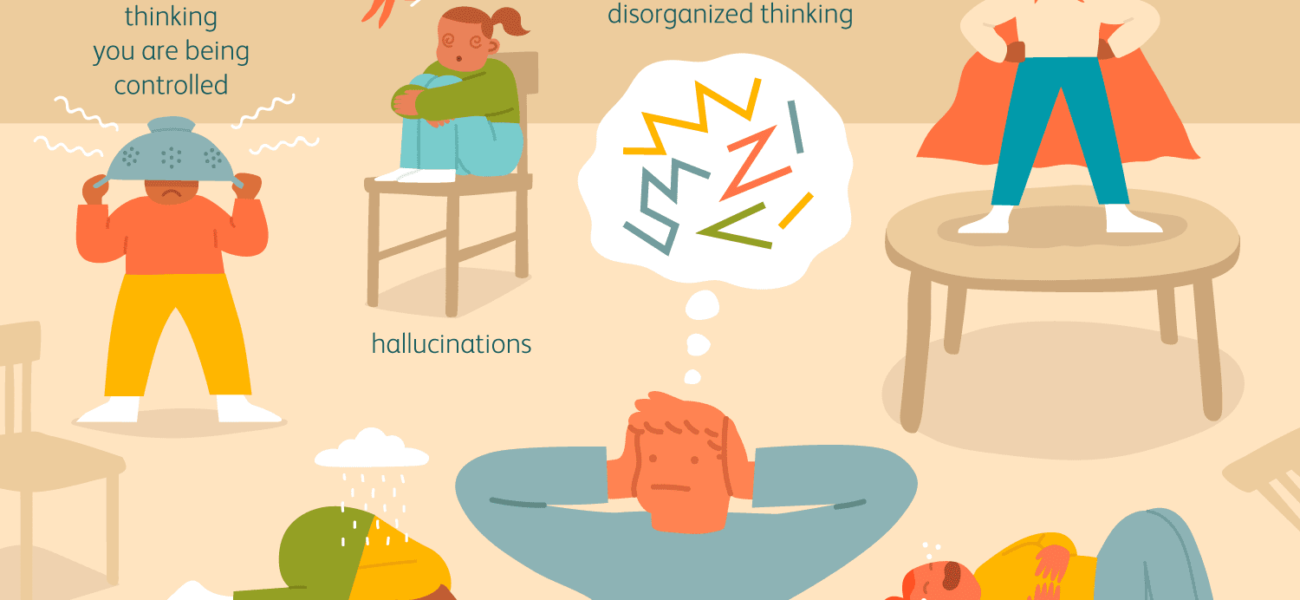
- Psychotic symptoms similar to those seen in schizophrenia, such as delusions (false beliefs), hallucinations (false perceptions, such as hearing voices), and disorganized thinking.
- Mood disorder symptoms, which may include depressive episodes, manic episodes, or both.
Because of the overlap between schizophrenia and mood disorders, schizoaffective disorder can sometimes be mistaken for other psychiatric conditions, making a precise diagnosis challenging. The disorder is usually classified into two subtypes:
- Bipolar type: This subtype involves episodes of mania and depression, along with psychotic symptoms.
- Depressive type: This subtype involves depression along with psychotic symptoms but no mania.
Causes of Schizoaffective Disorder
The exact cause of schizoaffective disorder remains unclear, but it is believed to result from a combination of genetic, environmental, and biological factors:
- Genetics: A family history of schizophrenia, bipolar disorder, or depression increases the risk of developing schizoaffective disorder.
- Chemical imbalances: Dysregulation in neurotransmitters like dopamine and serotonin, which are involved in mood regulation and perception, may contribute to the disorder.
- Brain structure and function: Changes in brain structure or abnormalities in certain areas may play a role in the development of schizoaffective disorder.
- Environmental factors: Stress, trauma, drug abuse, or significant life events can potentially trigger or worsen symptoms, especially in individuals with a genetic predisposition.
Symptoms of Schizoaffective Disorder
The symptoms of schizoaffective disorder can be highly varied, depending on the individual and the subtype of the disorder. Key symptoms typically include:
Psychotic Symptoms (Schizophrenia-like)
- Hallucinations: Auditory hallucinations (hearing voices) are the most common, but visual or other sensory experiences can also occur.
- Delusions: False beliefs that are not based in reality, such as thinking that others are plotting against you or that you have special powers.
- Disorganized thinking or speech: Difficulty organizing thoughts, leading to incoherent or fragmented speech.
- Catatonia: In some cases, individuals may experience motor disturbances, including immobility, excessive movement, or strange postures.
Mood Symptoms (Depression or Mania)
- Depression: Feelings of sadness, hopelessness, and lack of interest or pleasure in daily activities. It may include symptoms such as fatigue, sleep disturbances, changes in appetite, and thoughts of death or suicide.
- Mania: Elevated mood, increased energy, and impulsive behavior. During manic episodes, individuals may feel invincible, have racing thoughts, engage in risky behaviors, and display poor judgment.
- Mixed mood episodes: In some cases, people may experience both manic and depressive symptoms simultaneously or in quick succession.
Diagnosing Schizoaffective Disorder
Diagnosing schizoaffective disorder typically involves:
- Clinical assessment by a psychiatrist or mental health professional who evaluates symptoms, medical history, and family history.
- Exclusion of other conditions: Other psychiatric conditions, such as schizophrenia or bipolar disorder, must be ruled out. This process can take time and may involve extensive evaluation.
- Diagnostic criteria: According to the DSM-5 (Diagnostic and Statistical Manual of Mental Disorders), for a diagnosis of schizoaffective disorder, psychotic symptoms must occur for at least two weeks without significant mood symptoms, but mood symptoms must also be present for a substantial portion of the illness.
It is crucial to distinguish schizoaffective disorder from other mental health conditions because treatment strategies may vary.
Treatment of Schizoaffective Disorder
Schizoaffective disorder requires a comprehensive and multidisciplinary approach to treatment, involving medication, psychotherapy, and support from family and loved ones.
Medications
- Antipsychotics: These are used to control psychotic symptoms (hallucinations, delusions, etc.) and are often the first line of treatment.
- Mood stabilizers or antidepressants: Depending on the subtype, mood stabilizers (for mania) or antidepressants (for depression) may be prescribed to help manage mood swings.
- Antidepressants and/or antipsychotic combinations: Sometimes a combination of medications is used to address both the psychotic and mood symptoms effectively.
Psychotherapy
- Cognitive-behavioral therapy (CBT): CBT can help individuals address distorted thinking, manage stress, and cope with the impact of their symptoms on daily life.
- Supportive therapy: Ongoing therapy may also focus on building social skills, improving functioning, and providing emotional support.
- Family therapy: Involving loved ones in therapy can be beneficial in helping them understand the disorder and provide better support.
Lifestyle and Social Support
- Routine and structure: Establishing a daily routine can provide stability and reduce stress for individuals with schizoaffective disorder.
- Social support: Building a support network of family, friends, and support groups can help individuals feel less isolated.
- Managing stress: Learning effective stress-management techniques, such as mindfulness and relaxation exercises, can prevent relapse or worsening of symptoms.
Prognosis and Living with Schizoaffective Disorder
While schizoaffective disorder is a lifelong condition, many individuals can lead productive, fulfilling lives with proper treatment and support. However, the course of the disorder can vary. Some people may experience long periods of remission, while others may have frequent relapses.
The prognosis is generally better with early diagnosis, effective medication management, and comprehensive psychosocial support. Many people with schizoaffective disorder can manage their symptoms, build careers, maintain relationships, and engage in hobbies and activities they enjoy.
Conclusion
Schizoaffective disorder presents a unique set of challenges, blending symptoms of both psychosis and mood disorders. Early intervention, appropriate treatment, and social support are key to managing the condition effectively. With a comprehensive treatment plan that includes medication, therapy, and lifestyle adjustments, individuals with schizoaffective disorder can achieve stability and improve their quality of life. Education, awareness, and understanding of this complex disorder can go a long way in helping those affected live healthier, more connected lives.
The list of some Schizoaffective Disorder medicine:
Modesto XR