Mental disorders, often misunderstood and stigmatized, are among the leading causes of disability worldwide. These conditions affect how individuals think, feel, behave, and interact with others. While the symptoms may not be visible like a broken bone, the impact on a person’s quality of life can be just as severe—sometimes even more so.
As mental health awareness grows, it becomes increasingly important to understand what mental disorders are, how they manifest, and how they can be treated or managed. Early recognition and compassionate support can make a world of difference for those living with these challenges.
Mental disorders, also known as mental illnesses or psychiatric disorders, are health conditions involving changes in emotion, thinking, or behavior—or a combination of these. These changes often result in distress and problems functioning in social, work, or family activities.
Mental disorders vary widely in type and severity. Some are temporary and triggered by life events, while others are chronic and may require long-term care. The World Health Organization (WHO) recognizes mental health as a critical part of overall health.
Common Types of Mental Disorders
There are many kinds of mental health conditions, each with unique symptoms and challenges. Some of the most commonly diagnosed include:
🧠 Depression
- Persistent sadness, lack of interest in activities, fatigue, and changes in sleep or appetite.
- Can be triggered by trauma, stress, or occur without an obvious cause.
⚡ Anxiety Disorders
- Includes generalized anxiety disorder, panic disorder, and social anxiety.
- Characterized by excessive worry, fear, and physical symptoms like rapid heartbeat or sweating.
🎭 Bipolar Disorder
- Involves cycles of extreme highs (mania) and lows (depression).
- Can affect judgment, energy levels, and ability to function daily.
🔍 Obsessive-Compulsive Disorder (OCD)
- Features unwanted thoughts (obsessions) and repetitive behaviors (compulsions).
🔄 Post-Traumatic Stress Disorder (PTSD)
- Develops after experiencing or witnessing a traumatic event.
- Symptoms include flashbacks, nightmares, and heightened anxiety.
💬 Schizophrenia
- A severe disorder involving delusions, hallucinations, and disorganized thinking.
- Often begins in early adulthood and requires lifelong management.
📘 Eating Disorders
- Includes anorexia nervosa, bulimia, and binge eating disorder.
- Involves harmful preoccupations with food, weight, and body image.
Causes and Risk Factors
Mental disorders usually arise from a combination of biological, psychological, and environmental factors:
- Genetics: Family history of mental illness can increase risk.
- Brain Chemistry: Imbalances in neurotransmitters affect mood and behavior.
- Life Experiences: Trauma, abuse, and stressful life events are common triggers.
- Substance Use: Drug and alcohol abuse can contribute to or worsen mental illness.
- Medical Conditions: Some chronic illnesses are linked with increased risk of depression or anxiety.
Signs and Symptoms
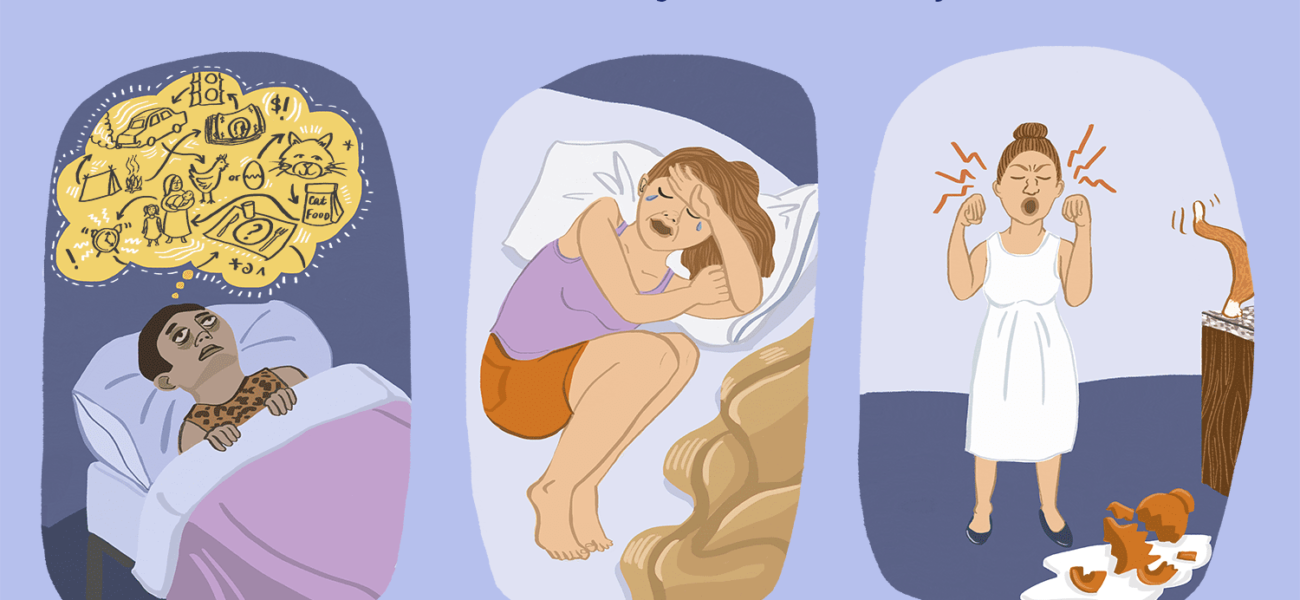
Mental disorders can present differently in each person, but some common signs include:
- Noticeable changes in mood or behavior
- Withdrawal from friends and activities
- Difficulty concentrating or making decisions
- Extreme fear, worry, or guilt
- Low energy or frequent fatigue
- Trouble sleeping or sleeping too much
- Thoughts of self-harm or suicide
Recognizing these signs early can lead to faster diagnosis and treatment.
Diagnosis and Treatment
Diagnosing a mental disorder typically involves:
- A detailed medical and psychological history
- Clinical interviews and standardized questionnaires
- Rule-out testing to eliminate physical causes
Treatment plans are tailored to the individual and may include:
💊 Medications
- Antidepressants, mood stabilizers, anti-anxiety drugs, and antipsychotics
🧠 Psychotherapy
- Also known as “talk therapy,” this includes cognitive-behavioral therapy (CBT), dialectical behavior therapy (DBT), and other methods
🌿 Lifestyle Changes
- Regular exercise, a healthy diet, good sleep hygiene, and stress management
👥 Support Systems
- Group therapy, peer support, and family involvement can aid in recovery
🏥 Hospitalization
- In severe cases, inpatient care may be needed to ensure safety and stabilize symptoms
Breaking the Stigma
Despite progress, stigma remains a significant barrier to seeking help. Many people fear being judged or misunderstood, which can delay treatment and worsen outcomes. Education, empathy, and open conversations about mental health are essential to breaking down these barriers.
Conclusion
Mental disorders are a major public health concern, affecting people of all ages and backgrounds. While the symptoms may vary, one truth remains constant: mental health matters. With the right support, understanding, and treatment, people living with mental disorders can lead fulfilling and meaningful lives.
Recognizing that mental illness is just as real as physical illness is a crucial step toward a healthier, more compassionate society.