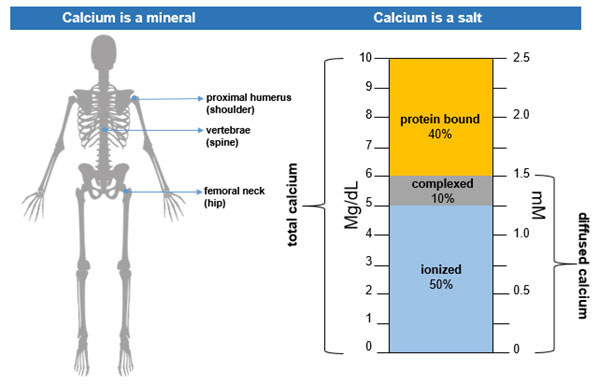
Calcium is an essential mineral that plays a critical role in many body functions, including muscle contraction, nerve transmission, and blood clotting. However, its most well-known role is in building and maintaining strong bones. When calcium levels in the blood become too high — a condition known as hypercalcemia — it can signal serious underlying health problems, particularly related to the bones. Understanding the relationship between high blood calcium and bone health is vital for early diagnosis and effective treatment.
Hypercalcemia refers to an abnormally high concentration of calcium in the blood. Normal blood calcium levels are tightly regulated within a narrow range. When this balance is disrupted, it can affect various organs and systems throughout the body, including the kidneys, heart, brain, and bones.
Mild hypercalcemia may not cause obvious symptoms, but more severe elevations can lead to issues such as fatigue, nausea, excessive thirst, frequent urination, confusion, and muscle weakness.
The Bone-Connection: Why It Matters
Bones serve as the body’s main storage site for calcium. In a healthy individual, calcium moves between the blood and bones in a tightly controlled balance, regulated by hormones such as parathyroid hormone (PTH) and vitamin D. When blood calcium levels rise abnormally, it often points to a disturbance in this system.
Here’s how bones are involved:
- Bone Breakdown (Resorption): Certain conditions cause the bones to release more calcium into the bloodstream. When bone resorption outpaces bone formation, bones weaken over time, increasing the risk of fractures and osteoporosis.
- Parathyroid Hormone Role: Overactive parathyroid glands (a condition called primary hyperparathyroidism) are one of the most common causes of hypercalcemia. These glands produce too much PTH, leading to increased calcium release from bones.
Causes of High Blood Calcium Related to Bones
Several bone-related conditions can contribute to elevated blood calcium levels:
- Primary Hyperparathyroidism: Overproduction of PTH results in excess calcium being pulled from the bones into the blood.
- Bone Cancer and Metastasis: Certain cancers can spread to the bones, causing them to break down and release calcium.
- Multiple Myeloma: This type of blood cancer affects bone marrow and can lead to significant bone destruction and hypercalcemia.
- Prolonged Immobilization: Lack of movement can cause bones to lose density and release calcium into the bloodstream.
Other causes of hypercalcemia not directly tied to bones include vitamin D overdose, certain medications (like thiazide diuretics), and severe dehydration.
Symptoms and Warning Signs
Because hypercalcemia can affect multiple systems, symptoms can vary widely. Related to bones specifically, you might notice:
- Bone pain and tenderness
- Increased risk of fractures
- Skeletal deformities (in severe, prolonged cases)
Other general symptoms of hypercalcemia include:
- Weakness and fatigue
- Loss of appetite
- Kidney stones
- Constipation
- Confusion or difficulty thinking
If you experience a combination of these symptoms, it’s important to seek medical attention promptly.
Diagnosing High Blood Calcium and Bone Issues
Diagnosis typically involves:
- Blood Tests: To measure calcium, parathyroid hormone levels, and kidney function.
- Bone Density Scans: To assess the strength of bones and detect signs of osteoporosis.
- Imaging Studies: X-rays, CT scans, or MRIs may be used if bone cancer or bone lesions are suspected.
- Urine Tests: To check how much calcium is being excreted.
Identifying the root cause of hypercalcemia is critical to deciding on the right treatment approach.
Treatment Options
Treating high blood calcium depends on the severity and underlying cause:
- Fluids and Diuretics: IV fluids and certain diuretics can help flush excess calcium out of the body.
- Bisphosphonates: These drugs slow down bone resorption and are often used when bones are the source of excess calcium.
- Calcitonin: A hormone that can lower calcium levels quickly.
- Parathyroid Surgery: For cases caused by overactive parathyroid glands.
- Cancer Therapy: If a malignancy is the cause, treating the cancer can help control calcium levels.
Lifestyle changes such as staying hydrated, maintaining a balanced diet, and staying active can also support bone health and help manage calcium levels.
Conclusion High blood calcium levels can signal serious issues with bone health, including excessive bone breakdown and increased risk of fractures. Recognizing the symptoms and seeking medical evaluation is crucial. By understanding the connection between blood calcium and bone health, individuals can take proactive steps to protect their bones and overall well-being.
The list of some High Blood Calcium Levels and Bone Health medicine: