A seizure is a sudden, uncontrolled burst of electrical activity in the brain. This disturbance can cause changes in behavior, movements, feelings, or levels of consciousness. Seizures can vary greatly in severity and type, ranging from brief lapses in awareness to violent shaking and loss of control.
While a single seizure may not necessarily indicate epilepsy, repeated seizures are a key symptom of the condition. It’s important to understand what triggers seizures, how they present, and how they are treated.
What Causes Seizures?
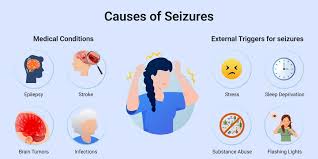
Seizures can happen for many different reasons. Some of the most common causes include:
- Epilepsy: A chronic neurological disorder where recurrent seizures occur without an obvious trigger.
- High fever: Especially in young children (febrile seizures).
- Head injury: Trauma to the brain can provoke seizures.
- Stroke: Lack of blood flow to the brain can result in seizures.
- Brain infections: Conditions like meningitis or encephalitis can lead to seizures.
- Withdrawal: Sudden withdrawal from alcohol or certain drugs can trigger seizures.
- Metabolic disturbances: Low blood sugar, dehydration, or electrolyte imbalances can disrupt brain function.
- Brain tumors: Both benign and malignant tumors may cause seizures.
In some cases, no clear cause can be identified. This is known as idiopathic seizures.
Types of Seizures
Seizures are generally classified into two broad categories:
1. Focal Seizures (Partial Seizures)
These start in one specific area of the brain and can be further divided into:
- Focal aware seizures: The person remains conscious but may experience unusual sensations or movements.
- Focal impaired awareness seizures: Involves a change or loss of consciousness, often with repetitive movements like hand rubbing or lip-smacking.
2. Generalized Seizures
These affect both sides of the brain from the beginning. Common types include:
- Tonic-clonic seizures (Grand mal): Involve stiffening of the body, violent muscle contractions, and loss of consciousness.
- Absence seizures (Petit mal): Brief lapses in awareness, often mistaken for daydreaming.
- Myoclonic seizures: Sudden, brief jerks or twitches of muscles.
- Atonic seizures: Sudden loss of muscle tone, leading to falls.
- Tonic seizures: Stiffening of muscles without convulsions.
- Clonic seizures: Rhythmic jerking movements.
Symptoms of a Seizure
The signs and symptoms depend on the type of seizure but can include:
- Temporary confusion
- Staring spells
- Uncontrollable jerking movements
- Loss of consciousness or awareness
- Psychic symptoms like fear, anxiety, or déjà vu
Sometimes, seizures can last only a few seconds, while others can continue for several minutes.
How Are Seizures Diagnosed?
Diagnosing seizures often involves:
- Medical history: Including details about the event, potential triggers, and family history.
- Neurological examination: Checking for signs of brain or nerve dysfunction.
- Electroencephalogram (EEG): Measures electrical activity in the brain and can detect abnormal patterns.
- Imaging tests: MRI or CT scans can help identify structural problems like tumors or brain injuries.
- Blood tests: To rule out infections, electrolyte imbalances, or genetic conditions.
Treatment and Management
Seizure treatment focuses on preventing future episodes and addressing the underlying cause. Common approaches include:
- Anti-seizure medications: These help control seizures in many people.
- Surgery: Removing the area of the brain that’s triggering seizures (for some severe cases).
- Vagus nerve stimulation (VNS): A device implanted under the skin to send electrical impulses to the brain.
- Lifestyle changes: Adequate sleep, stress management, and avoiding seizure triggers can reduce seizure risk.
- Dietary therapy: The ketogenic diet, high in fats and low in carbohydrates, may help control seizures in some people, especially children.
For those whose seizures are well-controlled, it’s possible to lead a normal and active life.
What to Do If Someone Has a Seizure
- Stay calm and ensure the person is safe.
- Remove any harmful objects nearby.
- Gently turn the person onto their side to help keep their airway clear.
- Do not restrain their movements or put anything in their mouth.
- Time the seizure — if it lasts more than five minutes, call emergency services immediately.
Conclusion
Seizures can be frightening, but with proper diagnosis and management, many people with seizure disorders can live full, healthy lives. Understanding the causes, recognizing the symptoms, and knowing how to respond can make a significant difference in outcomes for those affected.
As research continues, treatments for seizures are becoming more effective, offering hope and improved quality of life for millions around the world.