Sickle cell anemia is a genetic blood disorder that affects millions of people around the world, with a significant concentration in regions such as sub-Saharan Africa, the Middle East, and parts of India. While it is often discussed in medical circles, it remains a condition that many people still don’t fully understand. This blog will delve into the causes, symptoms, treatment options, and ways to manage sickle cell anemia to provide a clearer picture of what living with this condition involves.
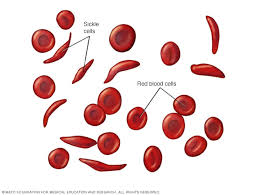
Sickle cell anemia is a hereditary condition in which the body produces an abnormal form of hemoglobin, known as hemoglobin S. Hemoglobin is the protein in red blood cells responsible for carrying oxygen throughout the body. In sickle cell anemia, the red blood cells become rigid and shaped like a crescent or sickle, rather than the normal round, flexible disc shape.
This sickle shape makes it harder for the red blood cells to pass through small blood vessels, leading to a variety of complications. The sickled cells can get stuck in blood vessels, blocking blood flow and causing painful episodes known as sickle cell crises.
Causes and Inheritance
Sickle cell anemia is caused by mutations in the gene that tells the body how to make hemoglobin. The condition is inherited in an autosomal recessive pattern, which means both parents must carry the sickle cell trait for their child to inherit sickle cell anemia.
People who inherit one sickle cell gene and one normal gene have the sickle cell trait, which generally does not cause symptoms but can be passed on to their children. However, those who inherit two sickle cell genes (one from each parent) will develop sickle cell anemia.
Symptoms of Sickle Cell Anemia
The severity of symptoms varies from person to person, but common signs and symptoms of sickle cell anemia include:
- Episodes of pain (sickle cell crises): This occurs when sickled red blood cells block blood flow, leading to pain, often in the chest, abdomen, or joints.
- Anemia: Due to the short lifespan of sickled red blood cells (about 10-20 days compared to normal red blood cells, which live for about 120 days), people with sickle cell anemia may experience fatigue, paleness, and weakness.
- Swelling in the hands and feet: This is due to blockages in blood flow.
- Frequent infections: Sickle cell anemia can damage the spleen, which plays a critical role in fighting infection.
- Delayed growth in children: This occurs as a result of chronic anemia and reduced oxygen delivery to tissues.
- Vision problems: Tiny blood vessels in the eyes may become blocked, leading to vision impairment.
Complications of Sickle Cell Anemia
While the primary issue in sickle cell anemia is the abnormal shape of red blood cells, the condition can lead to numerous serious complications over time, including:
- Stroke: Reduced blood flow to the brain due to blocked blood vessels can lead to a stroke.
- Organ damage: Chronic lack of oxygen can damage vital organs such as the kidneys, liver, and heart.
- Acute chest syndrome: A severe lung complication that can be triggered by infection or blocked blood flow to the lungs.
- Leg ulcers: Open sores on the skin, especially on the lower legs, can occur due to poor blood flow.
- Gallstones: Resulting from the increased breakdown of red blood cells.
Diagnosis of Sickle Cell Anemia
Sickle cell anemia can be diagnosed through a blood test called the hemoglobin electrophoresis test. This test identifies the type of hemoglobin present in the blood, confirming whether a person has sickle cell disease or carries the sickle cell trait.
In many cases, newborn screening programs now allow for early detection, allowing for prompt medical care to help manage symptoms from an early age.
Treatment and Management
While there is currently no universal cure for sickle cell anemia, treatments aim to manage symptoms, prevent complications, and improve quality of life. Common treatment options include:
1. Pain Management
- Pain-relief medications, including over-the-counter drugs or prescription painkillers, can help manage the frequent pain crises associated with the condition.
2. Blood Transfusions
- Regular blood transfusions can help maintain healthy red blood cells in circulation and alleviate some of the symptoms of sickle cell anemia.
3. Hydroxyurea
- This medication increases the production of fetal hemoglobin, which helps prevent red blood cells from sickling.
4. Bone Marrow or Stem Cell Transplant
- A bone marrow transplant is the only potential cure for sickle cell anemia. However, this treatment is not suitable for everyone and carries significant risks, including rejection of the transplant.
5. Preventive Care
- Vaccinations, regular checkups, and antibiotic therapy help prevent infections, a common risk for individuals with sickle cell anemia.
6. Gene Therapy (Emerging Treatment)
- Advances in gene therapy research offer hope for a future cure by correcting the genetic mutation responsible for the condition. While still in the experimental stages, early results have been promising.
Living with Sickle Cell Anemia
Managing sickle cell anemia involves regular medical care, pain management, and lifestyle adjustments. Some key lifestyle tips include:
- Staying hydrated: Drinking plenty of fluids helps prevent dehydration, which can trigger sickle cell crises.
- Avoiding extreme temperatures: Both heat and cold can cause blood vessels to constrict and trigger a crisis.
- Managing stress: Emotional and physical stress can also precipitate sickle cell crises, so managing stress through relaxation techniques is essential.
Conclusion
Sickle cell anemia is a challenging but manageable condition that requires lifelong care and attention. While there is no universal cure at the moment, treatment options have significantly improved, allowing many people with the disease to live full and productive lives. Ongoing research into gene therapy and other medical advancements holds promise for even better outcomes in the future.
By raising awareness of sickle cell anemia, supporting those affected, and advocating for further research, we can make a significant impact in the lives of millions living with this blood disorder.
The list of some Sickle Cell Anemia medicine:
Feripon
Defera
Hydronix
Hydrea