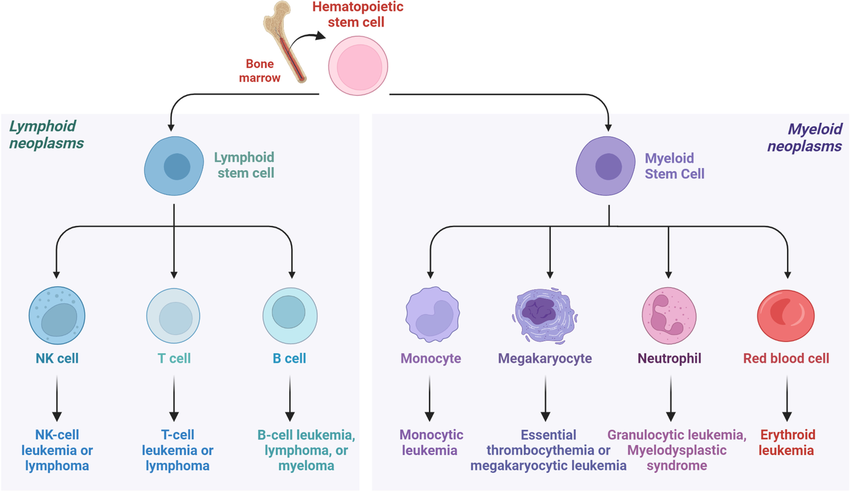
The word malignancy is often used interchangeably with cancer, describing the abnormal and uncontrolled growth of cells that can invade and destroy surrounding tissues and spread to other parts of the body. Unlike benign tumors, which are non-cancerous and generally less harmful, malignancies are aggressive and potentially life-threatening if not diagnosed and treated early.
In this blog, we will explore what malignancies are, their causes, types, symptoms, diagnosis, treatment options, and the importance of early detection.
Malignancies arise when normal cells undergo genetic changes that cause them to divide uncontrollably. These rogue cells can form masses known as tumors or exist independently in the blood or lymphatic system, as in the case of leukemia or lymphoma. Over time, malignant cells can metastasize—spread to distant organs—making the disease more challenging to treat.
Causes and Risk Factors
Cancer is typically the result of a combination of genetic, environmental, and lifestyle factors. Some of the key contributors include:
- Genetic mutations: Inherited or acquired changes in DNA can trigger malignancy.
- Environmental exposures: Prolonged exposure to carcinogens such as tobacco smoke, radiation, or certain chemicals increases cancer risk.
- Lifestyle factors: Poor diet, obesity, lack of physical activity, excessive alcohol consumption, and smoking are significant risk factors.
- Infections: Certain viruses and bacteria, like Human Papillomavirus (HPV) or Helicobacter pylori, have been linked to specific types of cancer.
- Chronic inflammation: Persistent inflammatory conditions can contribute to the development of malignancies.
Understanding these factors is crucial for both prevention and early detection efforts.
Common Types of Malignancies
Malignancies can affect virtually any part of the body. Some common types include:
- Carcinomas: Cancers that begin in the skin or tissues lining internal organs, such as breast, lung, prostate, and colorectal cancer.
- Sarcomas: Cancers originating in bone, cartilage, fat, muscle, or connective tissues.
- Leukemias: Cancers of the blood or bone marrow characterized by abnormal white blood cells.
- Lymphomas: Cancers that start in the lymphatic system, affecting lymph nodes and other tissues.
- Central nervous system cancers: Such as brain and spinal cord tumors.
Each type of malignancy has distinct characteristics, treatment approaches, and outcomes.
Symptoms of Malignancies
Symptoms of cancer vary widely depending on the type and location of the malignancy, but common warning signs include:
- Unexplained weight loss
- Fatigue that doesn’t improve with rest
- Persistent pain
- Changes in skin appearance, such as new or changing moles
- Unusual bleeding or discharge
- Persistent cough or trouble breathing
- Difficulty swallowing
- Changes in bowel or bladder habits
It’s important to remember that these symptoms can also be caused by conditions other than cancer. However, any persistent or unusual signs should prompt a visit to a healthcare provider.
Diagnosing Malignancies
Early and accurate diagnosis is vital for effective treatment. Diagnostic methods include:
- Physical exams: Checking for lumps, abnormalities, or other signs of cancer.
- Imaging tests: X-rays, CT scans, MRIs, PET scans, and ultrasounds help locate tumors.
- Laboratory tests: Blood, urine, and other tests can detect cancer markers.
- Biopsies: Removing a sample of tissue for microscopic examination remains the gold standard for cancer diagnosis.
- Genetic testing: Identifying mutations that may influence treatment options.
Timely diagnosis often leads to better outcomes and a wider range of treatment options.
Treatment Options
The treatment of malignancies depends on several factors, including the type, location, stage of cancer, and the patient’s overall health. Common treatment modalities include:
- Surgery: Removing cancerous tissue from the body.
- Radiation therapy: Using high-energy rays to destroy cancer cells.
- Chemotherapy: Employing powerful drugs to kill cancer cells or stop their growth.
- Immunotherapy: Boosting the body’s natural defenses to fight cancer.
- Targeted therapy: Using medications that specifically target cancer cell mechanisms.
- Hormone therapy: Blocking hormones that fuel certain cancers, like breast or prostate cancer.
- Stem cell transplants: Especially for blood-related cancers like leukemia.
Often, a combination of treatments is used to improve the chances of success.
The Importance of Early Detection
Early detection significantly improves the chances of successful treatment and survival. Regular screenings such as mammograms, colonoscopies, Pap smears, and prostate exams can detect cancers before symptoms arise. Public awareness, education, and access to medical care are critical components in the fight against cancer.
Living with Malignancy
A cancer diagnosis can be life-altering, affecting physical health, emotional well-being, relationships, and financial stability. Support from healthcare providers, family, friends, and cancer support organizations can make a profound difference. Advances in cancer treatments continue to improve survival rates and quality of life for many patients.
Conclusion
Malignancies are serious and complex diseases that require early detection, careful diagnosis, and tailored treatment strategies. Thanks to ongoing research and medical advancements, survival rates for many types of cancer have improved dramatically. Maintaining a healthy lifestyle, being aware of risk factors, and participating in regular health screenings are powerful tools in reducing the impact of cancer.
The list of some Malignancies medicine:
Gazyva