What is Chronic Kidney Disease (CKD):
The kidneys are essential for keeping the body balanced and healthy. They filter waste products from the blood, regulate blood pressure, maintain electrolyte levels, and support red blood cell production. When the kidneys gradually lose their ability to function, it leads to Chronic Kidney Disease (CKD) — a long-term condition that can significantly impact a person’s quality of life if not managed properly.
Chronic Kidney Disease refers to the progressive loss of kidney function over months or years. In its early stages, CKD may not cause noticeable symptoms, but as the disease advances, waste builds up in the body, leading to serious health problems.
CKD is classified into five stages based on the glomerular filtration rate (GFR), which measures how well the kidneys are cleaning the blood. Stage 1 is the mildest form, while Stage 5 represents kidney failure, often requiring dialysis or a kidney transplant.
Causes of CKD
Several factors can lead to Chronic Kidney Disease, including:
- Diabetes: High blood sugar can damage kidney tissues over time, making diabetes the leading cause of CKD worldwide.
- High Blood Pressure (Hypertension): Increased pressure in the blood vessels can harm kidney filters.
- Glomerulonephritis: This inflammation of the kidney’s filtering units can result in chronic damage.
- Polycystic Kidney Disease: A genetic disorder where fluid-filled cysts develop in the kidneys.
- Repeated Kidney Infections: Frequent infections can scar the kidneys, impairing their function.
- Prolonged Use of Certain Medications: Overuse of painkillers like NSAIDs can negatively affect kidney health.
Understanding and managing these risk factors is crucial to preventing or slowing the progression of CKD.
Symptoms of CKD
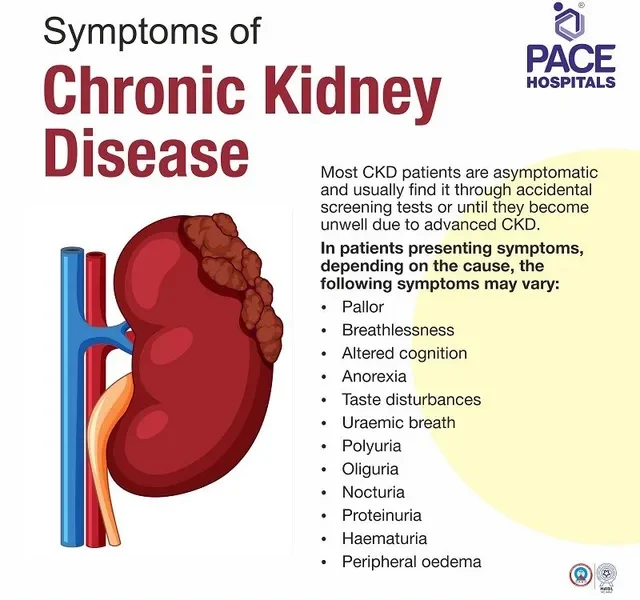
CKD often develops silently. Many people do not realize they have kidney problems until the disease is quite advanced. When symptoms do appear, they may include:
- Fatigue and weakness
- Swelling in the ankles, feet, or hands
- Shortness of breath
- Changes in urination (frequency, color, or amount)
- Persistent itching
- Nausea and vomiting
- High blood pressure that’s difficult to control
- Muscle cramps, particularly at night
Since these symptoms are not unique to CKD, regular health check-ups are important, especially for those at higher risk.
How Is CKD Diagnosed?
Diagnosing CKD typically involves:
- Blood Tests: Measuring levels of waste products like creatinine and calculating the estimated GFR.
- Urine Tests: Checking for protein or blood in the urine can signal kidney damage.
- Imaging Tests: Ultrasound or CT scans can assess the size and structure of the kidneys.
- Kidney Biopsy: In some cases, a small tissue sample may be taken to determine the cause of kidney disease.
Early diagnosis allows for interventions that can slow or even halt the progression of the disease.
Treatment and Management
While CKD cannot be reversed, its progression can often be slowed significantly with proper treatment:
- Blood Pressure Control: Keeping blood pressure within the target range is critical. Medications such as ACE inhibitors or ARBs are often used.
- Blood Sugar Management: For people with diabetes, controlling blood glucose levels is essential to protect kidney function.
- Dietary Changes: A kidney-friendly diet typically limits salt, protein, potassium, and phosphorus intake.
- Lifestyle Modifications: Quitting smoking, maintaining a healthy weight, exercising regularly, and limiting alcohol consumption can all benefit kidney health.
- Medications: Doctors may prescribe drugs to manage symptoms like anemia, bone health issues, and swelling.
- Dialysis or Transplant: In end-stage kidney disease (Stage 5), dialysis or a kidney transplant becomes necessary.
Working closely with a healthcare team, including nephrologists, dietitians, and primary care providers, is vital for effective management.
Living with CKD
A CKD diagnosis can be overwhelming, but many people live full and active lives by making the right adjustments. Education, regular medical follow-ups, and strong support systems play major roles in helping patients cope with the emotional and physical challenges of the disease.
Patients are encouraged to stay informed, adhere to treatment plans, and take an active role in their healthcare decisions to achieve the best possible outcomes.
Conclusion
Chronic Kidney Disease is a major public health issue that demands attention, especially as rates of diabetes and hypertension continue to rise globally. Awareness, early detection, and proactive management are the keys to slowing the disease’s progression and maintaining a good quality of life. By making healthy choices and staying vigilant about risk factors, it’s possible to protect kidney function and safeguard overall health.
The list of some Chronic Kidney Disease medicine:
Eporise
Hemocrit
Recogen
Initer
Eposis
Eporen
Epoetin
Roxado
LuciDap
Derisofer
RENOFIX