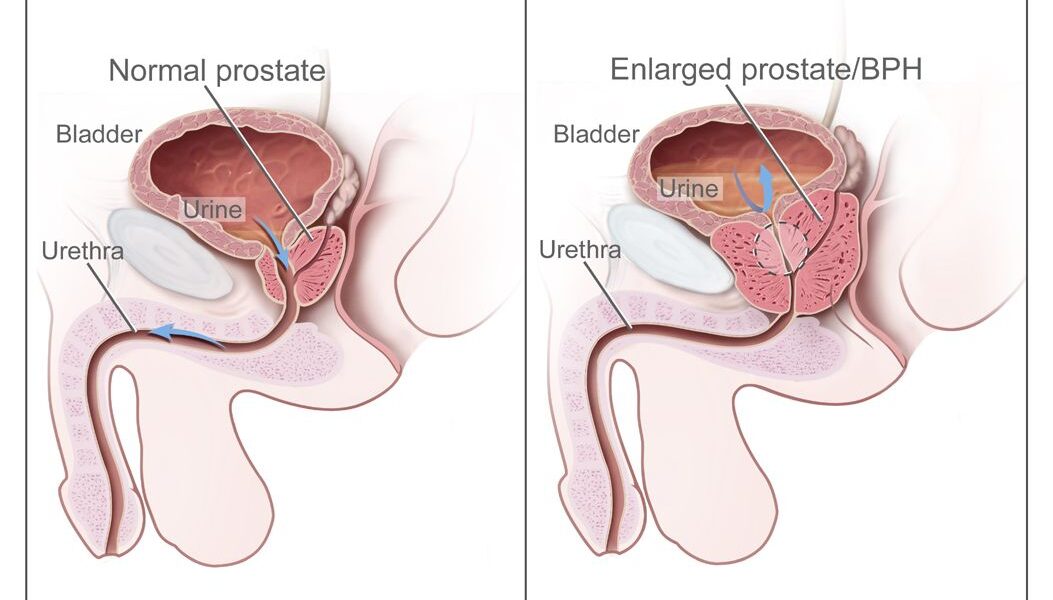
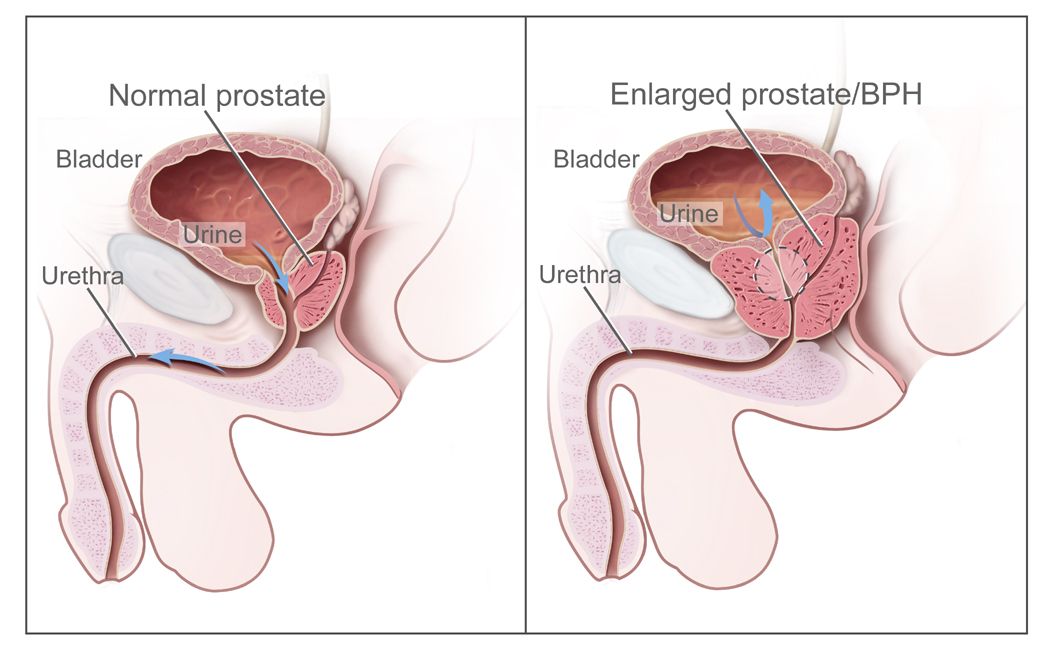
Benign Prostatic Hyperplasia (BPH) is a common condition where the prostate gland becomes enlarged, but not cancerous. This enlargement can cause uncomfortable urinary symptoms and may lead to problems with the bladder, kidneys, or urinary tract over time if left untreated.
BPH mainly affects men as they get older. While it is not life-threatening, it can significantly impact quality of life if not properly managed.
What is the Prostate?
The prostate is a small, walnut-shaped gland located just below the bladder and surrounding the urethra — the tube that carries urine out of the body. The prostate’s primary role is to produce a fluid that nourishes and protects sperm.
As men age, the prostate often grows in size. This natural growth can squeeze the urethra, leading to various urinary issues.
Symptoms of Benign Prostatic Hyperplasia
Symptoms of BPH tend to develop gradually and can vary in severity. Common signs include:
- Frequent urge to urinate, especially at night (nocturia)
- Difficulty starting urination
- Weak or interrupted urine stream
- Dribbling at the end of urination
- Inability to completely empty the bladder
- A feeling of urgency to urinate
- Pain during urination (less common)
In some cases, BPH can cause urinary tract infections, bladder stones, or even kidney damage if the bladder cannot empty properly.
Causes and Risk Factors
The exact cause of BPH is not fully understood, but several factors seem to increase the risk:
- Aging: BPH is rare in men under 40 but becomes more common with age.
- Family history: Having a close relative with prostate problems may increase risk.
- Hormonal changes: Changes in the balance of male hormones (androgens) as men age may play a role.
- Lifestyle factors: Obesity, lack of physical activity, and certain health conditions like diabetes and heart disease are linked to a higher risk.
How is BPH Diagnosed?
Doctors diagnose BPH using a combination of:
- Medical history and symptom review
- Physical examination, including a digital rectal exam (DRE)
- Urine tests to rule out infections or other causes
- Prostate-specific antigen (PSA) blood test to check for prostate cancer risk
- Ultrasound or other imaging tests to examine the prostate and urinary system
- Urodynamic and urinary flow tests to measure bladder pressure and urine flow
Proper diagnosis is important to differentiate BPH from other conditions like prostate cancer.
Treatment Options for BPH
Treatment for BPH depends on the severity of symptoms and how much they affect daily life. Options include:
Lifestyle Changes
For mild symptoms, simple changes can help, such as:
- Reducing intake of caffeine and alcohol
- Limiting evening fluids
- Regular exercise
- Bladder training techniques
Medications
Several medications can relieve symptoms, including:
- Alpha-blockers: Relax muscles in the prostate and bladder neck to improve urine flow.
- 5-alpha reductase inhibitors: Shrink the prostate by blocking hormonal changes.
- Combination therapy: Sometimes, doctors prescribe both types together for better results.
Minimally Invasive Procedures
If medications don’t help, procedures like transurethral microwave therapy (TUMT) or transurethral needle ablation (TUNA) can shrink or destroy prostate tissue.
Surgery
In severe cases, surgical options may be needed, such as:
- Transurethral resection of the prostate (TURP): The most common surgery for BPH.
- Prostatectomy: Removal of part or all of the prostate in extreme cases.
- Laser surgery: Using high-energy lasers to remove excess prostate tissue.
Living with BPH
Many men with BPH lead normal, active lives by managing their symptoms with treatment and lifestyle adjustments. Regular check-ups are important to monitor the condition and prevent complications.
If you’re experiencing urinary symptoms, it’s important to see a healthcare provider. Early diagnosis and management can prevent more serious issues later on.
Final Thoughts
Benign Prostatic Hyperplasia is a common part of aging for many men, but it doesn’t have to control your life. With proper care, effective treatments, and a healthy lifestyle, men with BPH can continue to enjoy a good quality of life. Awareness, early action, and regular health checks are key to managing this condition successfully.